Helsinki Design Lab helps government leaders see the "architecture of problems." We assist decision-makers to view challenges from a big-picture perspective, and provide guidance toward more complete solutions that consider all aspects of a problem. Our mission is to advance this way of working—we call it strategic design.
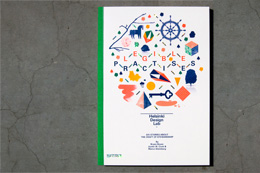 FREE BOOK about the stewardship and craft of institutional change, illustrated through the stories of six meaningful projects.
Readers, followers, collaborators, friends: thank you for your interest and support over the years. And thanks to Sitra, without whose support HDL would literally not exist. With this blog post Helsinki Design Lab is officially in hibernation.
We each maintain our interest in strategic design, so please stay in touch. And please do take advantage of the resources made available here under a Creative Commons license: HDL is yours now.
After much thought, there's no better way to end than to borrow words from the great poet Robert Frost, whose poem Riders was introduced to us by Carl Mossfeldt at HDL Global 2013.
The surest thing there is is we are riders,
And though none too successful at it, guiders,
Through everything presented, land and tide
And now the very air, of what we ride.
What is this talked-of mystery of birth
But being mounted bareback on the earth?
We can just see the infant up astride,
His small fist buried in the bushy hide.
There is our wildest mount--a headless horse.
But though it runs unbridled off its course,
And all our blandishments would seem defied,
We have ideas yet that we haven't tried.
This might be the most common question we've received lately, so as we prepare to close out HDL and this blog we want to share some thoughts on the subject. Below I dip into the weeds a bit with some macro thoughts on social change but, if you can stick with it, I do actually answer the question eventually.
Organizations, like Sitra, think about the world and the impact they want to create, which is usually expressed in a mission statement. This describes the world we would like to see. On a more frequent basis we define strategies that represent our best guess about how we will most likely be able to achieve the impact we believe is important.
And while these missions and strategies may be well formulated, they do not always necessarily match up with society. Indeed, a good bit of the value of an independent organization like Sitra is that it has the mandate and resources to think about things which are not on the top of society's mind right this moment.
But this also creates a challenge: Sitra represents approximately 120 out of the 5.4 million people who live in Finland. How do the actions of 0.0022% of a country create meaningful change?
Organizations like ours often try to push society. We prepare reports and studies that compile the facts, and those facts in turn lay out a case for change. By launching programmes and initiatives we attempt to push individuals and other organizations to behave differently—to seek different outcomes.
With the HDL projects we've been testing a different approach, one that works by pulling individuals and organizations towards our vision. In a time of low signal-to-noise ratio—when there's lots of noise—being smart and having the facts is not enough. We also have to provide an offering that is so compelling, perhaps even seductive, that it can attract attention and interest of collaborators.
Push makes sense when you know exactly what the market wants (be it a literal market or a 'market of ideas'). Pull makes sense in a more dynamic context, or when cash and/or authority are limited.
When we think about social change through the lens of push and pull, I offer the anti-smoking campaigns of 20th century as an example of push. Reducing the prevalence of smoking in society was a massive effort that was not aligned with the popular culture and media of the time, it also ran counter to the interests of some large corporations. There was significant inertia that resisted a specific and desired change: namely lowered tobacco usage rates. Affecting this change required prolonged effort on behalf of countless organizations. The movement had to be created more or less from scratch. Societies across the western world and beyond were literally pushed towards a different baseline behavior: from smoking as an acceptable norm to a default of non-smoking in many places.
To understand social change through pull, Facebook offers a good example. The world's largest social network is used by over one billion people and as much as the platform itself is a piece of technology, that technology has begun to change the world around it. Facebook affects how people convene for events, celebrate birthdays, spread gossip, and, according to the NSA in the US, how terrorism operates. All of this has happened relatively quickly and with very little money spent on attracting attention through traditional means such as marketing—Facebook did not grow through a push strategy. Instead Facebook offered something that was so attractive it pulled people in.
Without trying to valorize a particular company, what we've taken from this observation is a recognition of the competitive landscape that good ideas have to survive today. Good ideas are not enough anymore. Rarely does any one group have enough money to push ideas into the world anymore; rarely does any one group have the requisite authority to create meaningful social change by fiat.
HDL does not have the means to affect change on its own. Sitra does not have the means to affect change alone. The whole of Finland does not have the means when we think about the large scale issues such as climate! Therefore our projects have been an experiment in pulling participants, collaborators, and onlookers into projects. We pursued a pull strategy because it gave us a plausible way to leverage deeper flows of change within Finnish society.
Back to the original question: how did HDL select its projects?
The answer is that we looked for opportunities that lay between the vision that Sitra has for Finland's future and the interests of Finnish society right now. Within that opportunistic space the real challenge is not identifying a potential area or subject to work on, but to find the vehicle of change that has a high possibility of success.
A concrete example is Low2No. Sitra's interest in sustainable well-being means that we will need to address many (if not most) aspects of our economy and how we live together on a finite planet. Citymaking, the focus of Low2No, is as good of a place to start as any! We had indications that a project focusing on sustainable city making was well-timed to pull interest from the communities of development, real estate, construction, and design in Finland. When we began Low2No we were also considering a relocation of the Sitra office, so this also gave us the opportunity to address multiple needs at the same time, and for our organization to have some skin in the game.
Open Kitchen provides another example. Although Open Kitchen is ostensibly about food in Helsinki, our motivations were in addressing the sustainability of consumer choices in Finland (starting with diet), strengthening everyday entrepreneurism, and in creating proactive opportunities for new generations of immigrants to knit themselves—and be knitted—into Finnish society. Those same goals could have been addressed with a project that focused on groceries instead of street food, or even a focus-area that has nothing to do food, such as small retail shops. The reason we chose food is because there was already an existing groundswell of interest in food thanks to the successful Ravintolapäivä festival.
The project was Open Kitchen because food was a hot topic in Finnish society and our agnosticism about the content allowed us to connect our strategic goals to a variety of potential vehicles. If cycling were the thing, or meanwhile usage of spaces, or pop-up shops, or childcare, or energy, or anything else were the hot topic we would have developed Open Cycling, Open Spaces, Open Shops, etc. instead, leveraging the interest of the community. These stand a better chance to pull in the attention of finnish society, saving us from the need to create attention and interest in our subject, before we can even begin to generate interest in our project, before we can even hope to have a successful project.
How did HDL select its projects? By looking for opportunities where we could inflect existing energy within Finnish society towards the strategic priorities of Sitra and our assessment of what will be critical for Finland's vitality in the future. The financiers aren't the only ones who can enjoy the benefits of leverage.
For more on choosing vehicles for change, see the introduction chapter to Legible Practises. Readers may also enjoy a brief discussion of using projects and publications as probes to help discover opportunity.

While booting up HDL we took some time to build out the infrastructure for our future work. A central part was this website, helsinkidesignlab.org. We've already shared some of the statistics, so this post details how the website came to be and what we were thinking about when we created it.
Have a clear goal
Our goal with the site was to be "a place for designers to come together to learn more about strategic design and participate in the conversation. The HDL site also needs to serve as a resource to government officials, providing information on what strategic design is and how it can help solve their problems."
Make the goal dead simple
We wanted to be the best, clearest, and most dependable resource for information at the intersection of design and government. The primary content we would share is the story of our own evolving work. Secondarily we would highlight the work of others through cases and blog posts.
Get help
Through various engagements over the span of a few months we worked with BERG London to define the strategy for HDL's website; Brain Traffic to edit and hone the message, tone and voice of our core documents (more on this below); TwoPoints to establish a visual language; and XOXCO and Rumors to manifest all of this as the website you're now reading.
The website was my project and prior to HDL I'd spent years working in pretty much every role involved in creating a website, from programming to journalism. So I felt prepared to handle the project, and I also felt strongly that it was important to get help and make sure that the site was done right.
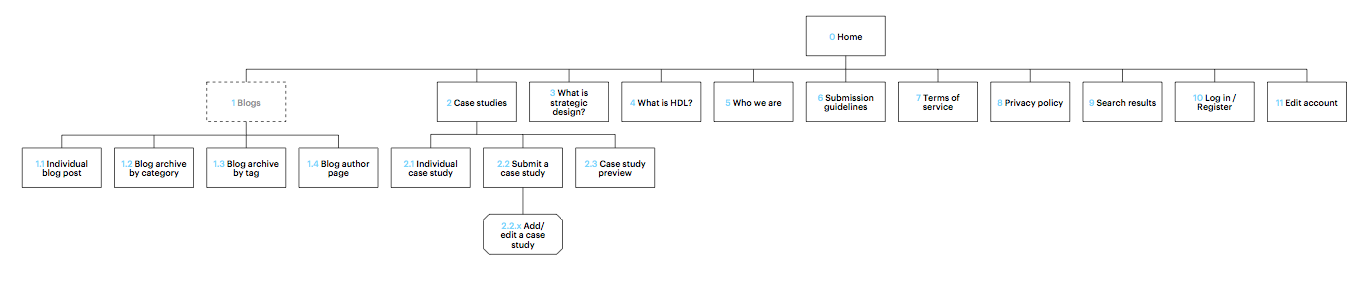
An example from Rumor's work on the information architecture of the site. They started by thinking through the structure of the site before anything was ever designed.
Be conscious of your audience
In a dream world we wanted to be relevant to everyone. Who wouldn't love strategic design?! We prioritized our audiences up front: other designers would be the first, followed closely by civil servants and politicians, and we wanted our materials to be accessible to interested laypeople.
This is the work of content strategy. Get someone smart like Brain Traffic to help you with it. Here's a snippet from their recommendations:
Tone and voice
Because the subject matter is a bit complex and conceptual, clearly clarifying who you are and what you do is important. Your site needs to sound academic, authoritative, and forward-thinking, yet still accessible and personal. Also, because your site operates similar to a non-profit, it should not sound commercial, because you are not selling a specific product or service.
Core messages
These are some core messages your site should convey:
1. Through strategic design, we offer new ways to solve large-scale, global problems.
2. We bring government and design together.
3. We want to advance the strategic design community.
4. We define problems and help deliver more complete solutions.
5. We take the principles of traditional design and apply them in new ways to "big picture" challenges.
Be realistic about the size of the audience
We anticipated that our audience would be relatively small. The percentage of the web audience that is interested in design is small, and strategic design much much smaller. But that's OK: While we have a small audience, they're generally quite committed—and thirsty for camaraderie and content. Building a website for an audience in the thousands is different from working on a website for the hundreds of thousands or millions. For instance, we opted not to invest in building some kind of social network (despite the desire for connectivity) and instead put our focus on publishing content.
A slow website is a nonexistent website
The web is a firehose of content. Lots of it is bad. While it would be nice to imagine that the good stuff will shine through, there's also a basic battle for attention. If you don't post, you don't exist.
We made a commitment early on to post regularly (in the form of weeknotes). This forced us into the habit of regularly documenting what we're doing, and also ensured that there was a steady stream of content on the site. This way the site would not feel abandoned or stale.
Banners? We don't need no stinking Banners!
As a non-commercial site we're able to free ourselves from the clutter that is imposed on most commercial sites by virtue of their banner ads. Helsinkidesignlab.org has a lot of white space on purpose: we want our readers to have a sense of clarity and focus when visiting the site. We don't need banners, so why have them?
Painless posting
Regular posts would not be easy to imagine without a painless interface for posting new content. Although off-the-shelf systems such as Wordpress are cheap, they can also be ill-fitted to specific situations and clumsy to use. We opted to build our own custom content management system using XOXCO's PeoplePods platform.
Now that the blog is closed (or nearly so) we can reflect a bit on what it was. I asked Ben of XOXCO to take a look at the database and find what details he could dig up. Here's what he found:
Number of posts: 241
Total words published: 128,204
Average words per post: 532
First post on: January 31, 2009
Total number of days the blog was live: 1259
Averaging one post every: 5.2 days
Longest post: Guest Blog: The Takeaway is People (2718 words)
Total comments: 58
Average comments per post: 0.24
If the blog were a printed book, it would come out to about 500 pages of pure text, not including any images or other supporting materials.
One revelation from doing this number crunching is the shockingly low number of comments! Although people did not have much desire to engage, they did read. The readership grew nicely over time to level out around 5000 visitors per month:

January 2009—September 2011 (the dive at the end is due to switching from the old website to this new one)

September 2011—June 2013
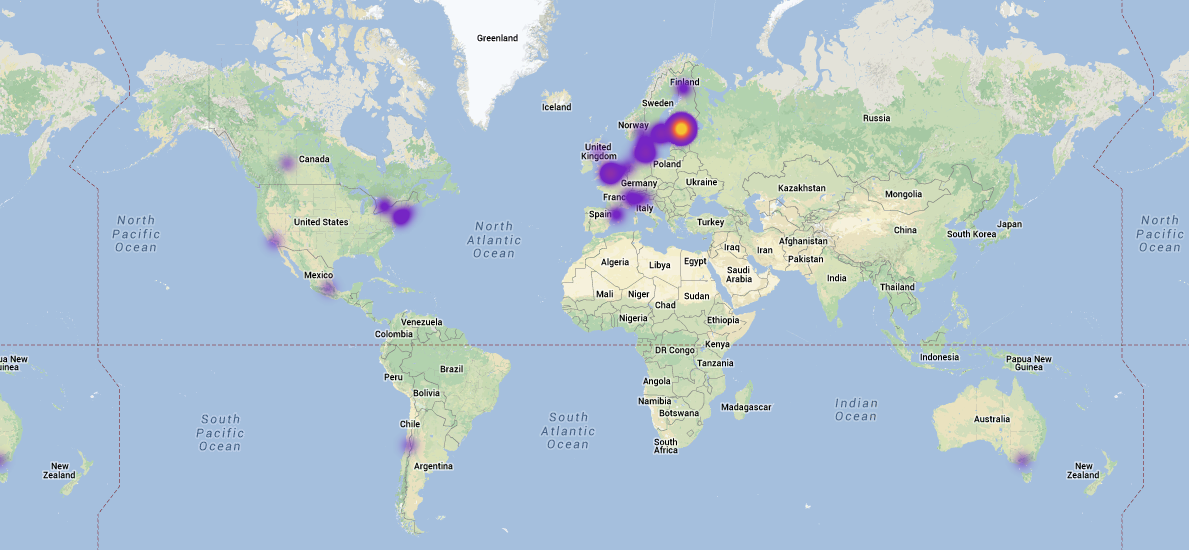
And over that span of time we saw healthy traffic from six continents, with clear clusters around Helsinki, London, the east coast of the US, and southern Australia.
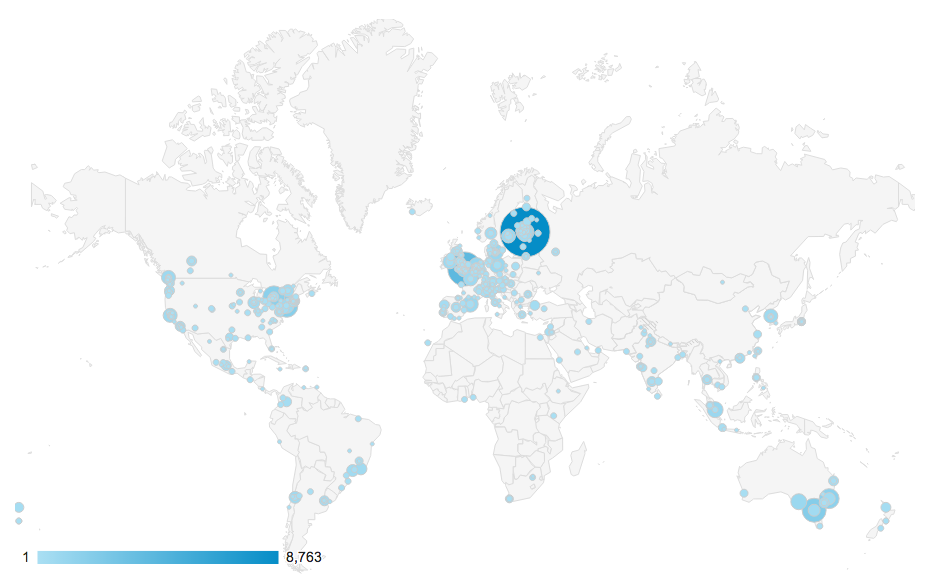
Geographic location of visitors, courtesy of Google Analytics
As we're putting the finishing touches on the HDL living archive (what this site will shortly become) here are some images from our closing event, HDL Global 2013.
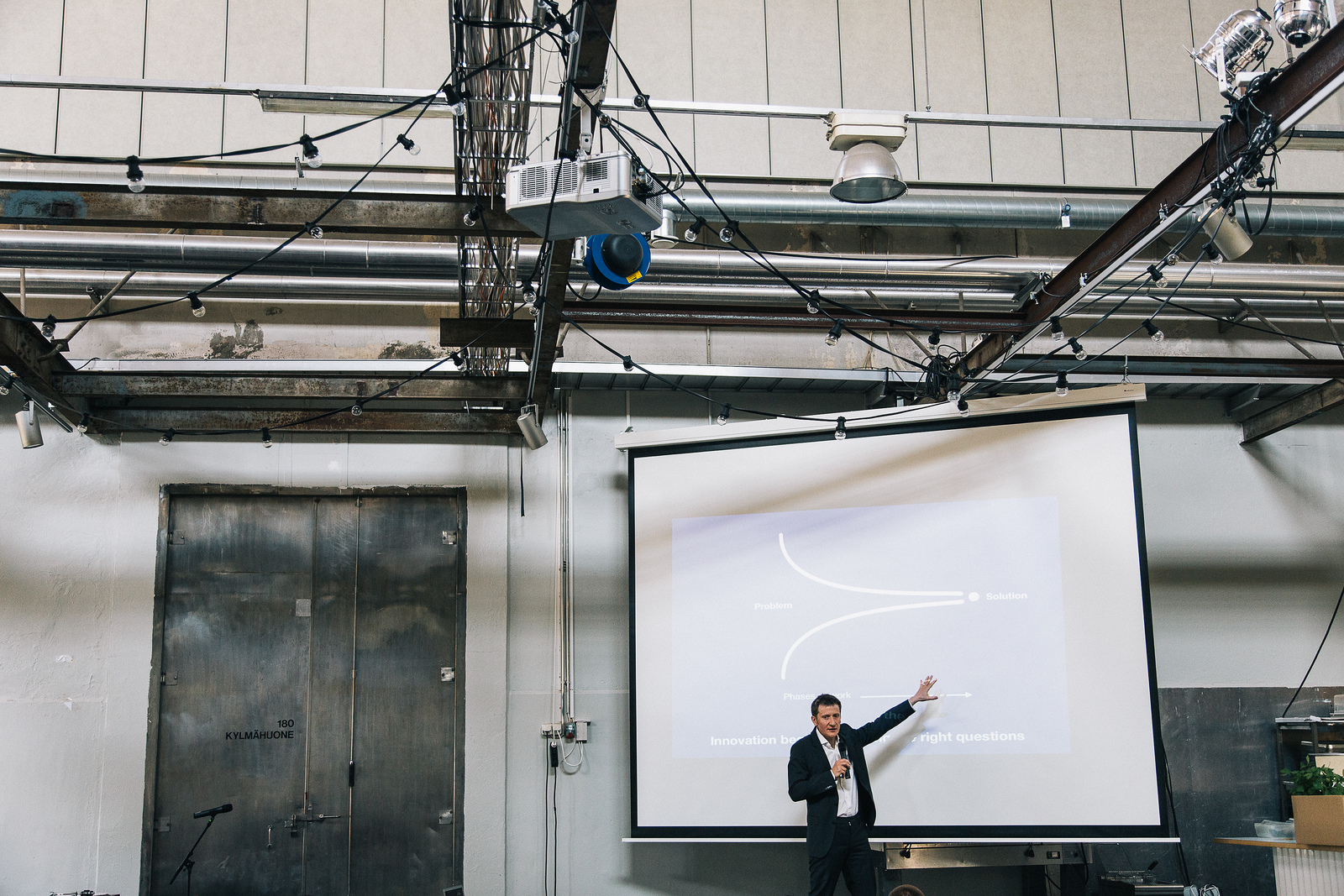
We were joined by 116 people from five continents. With talks from a mix of newscomers and old friends alike, it was an excellent way to pass the torch—to you!

This and other images below by Johannes Romppanen

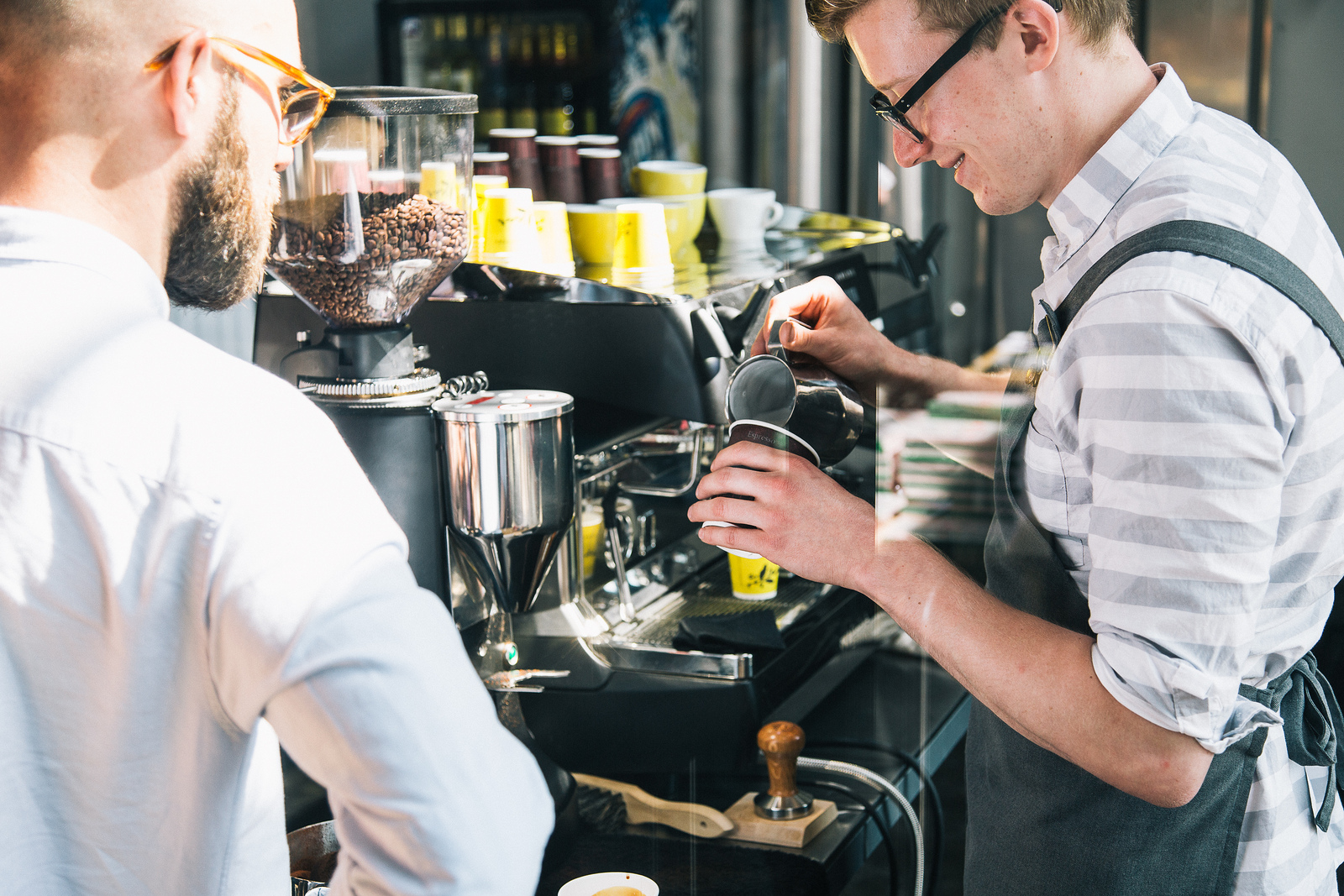
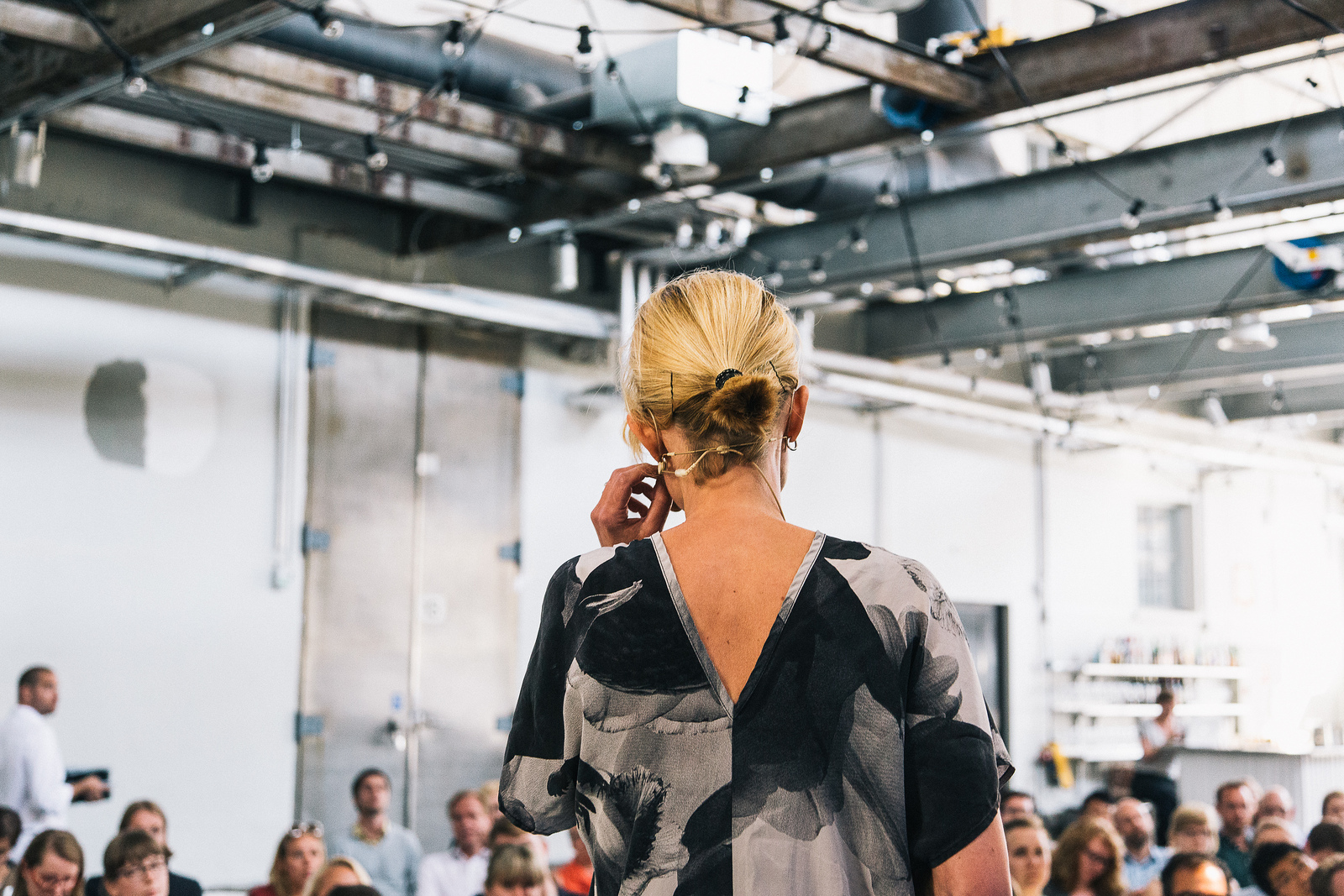
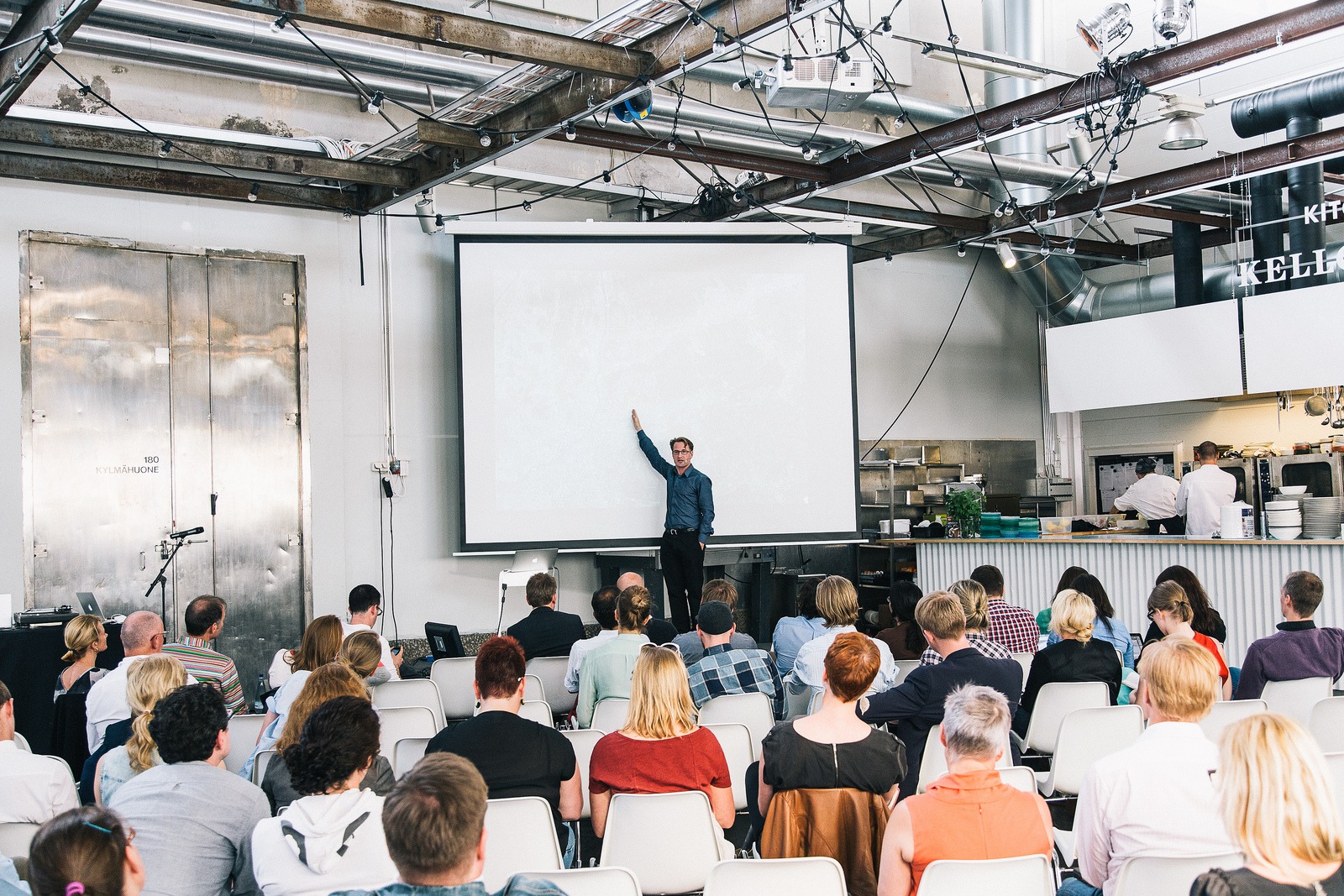
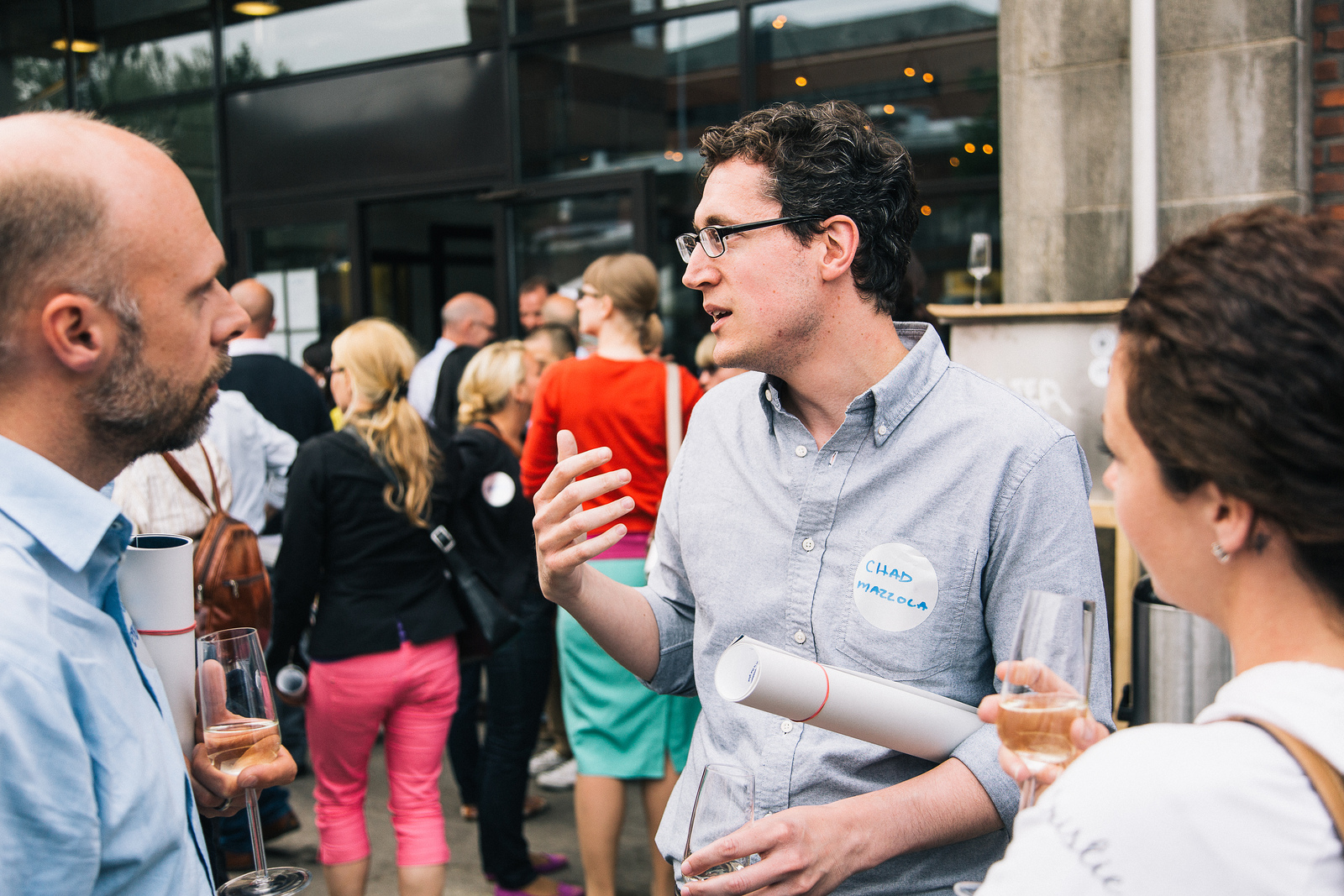

One in a series of chair portraits taken by Johannes.
There are many more photos on our Flickr page.
HDL Speaker Timo Arnall also has a collection of great photos from the event.
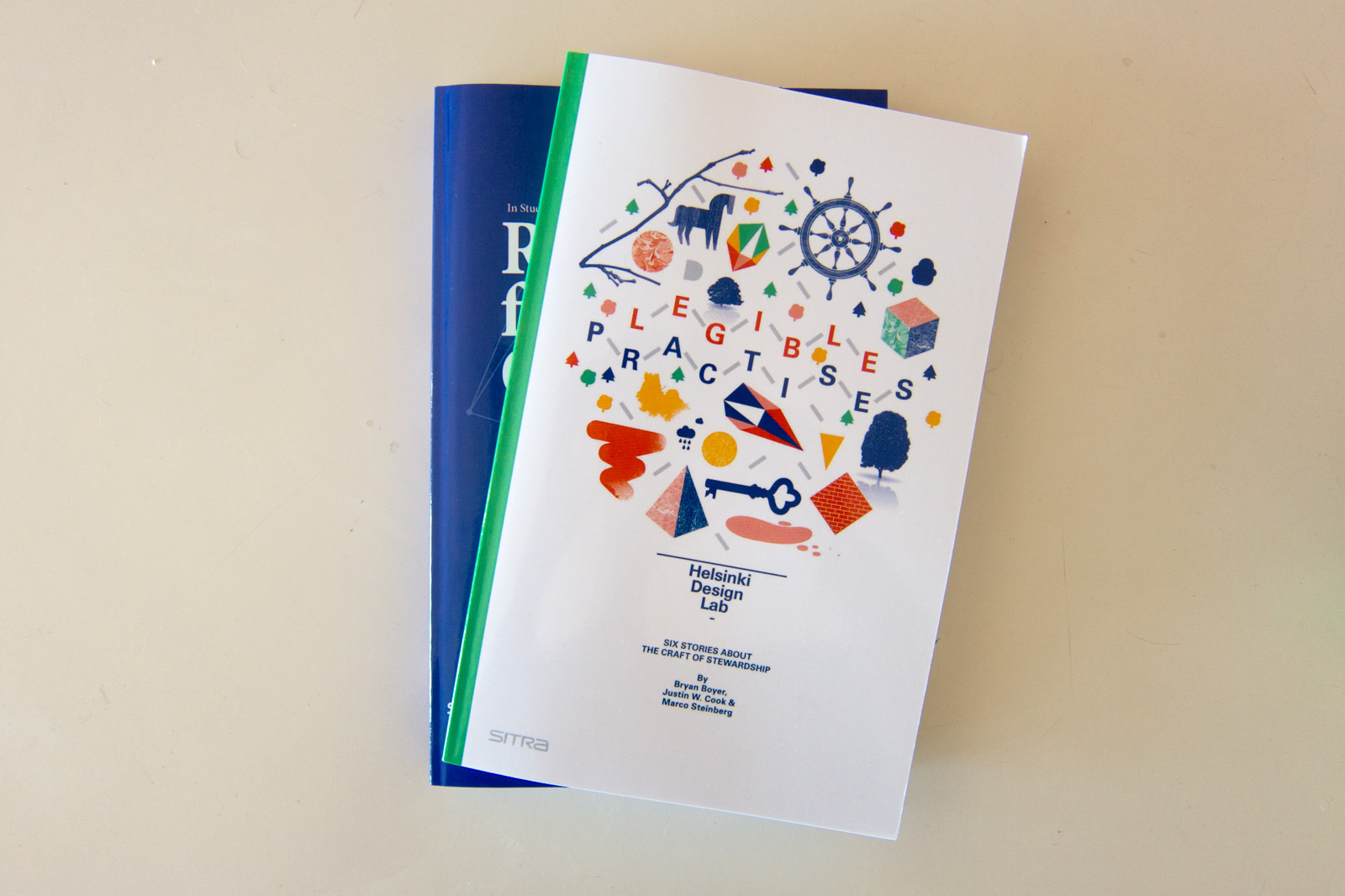
On Monday we launched our latest (and last) book, Legible Practises. This post shares the thinking behind the book, but if you just want to get your hands on it you can download the full PDF or order a copy via print on demand.
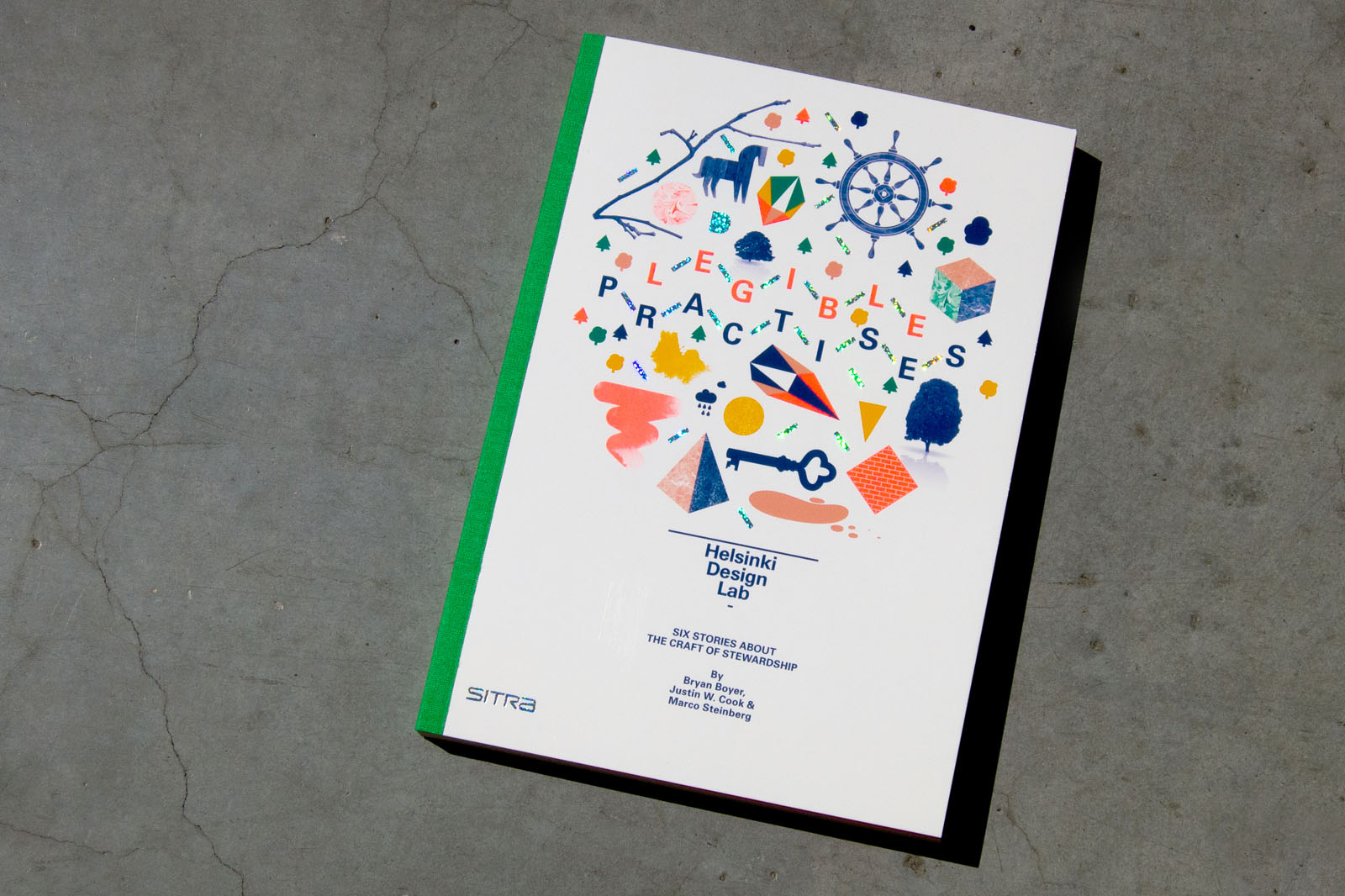
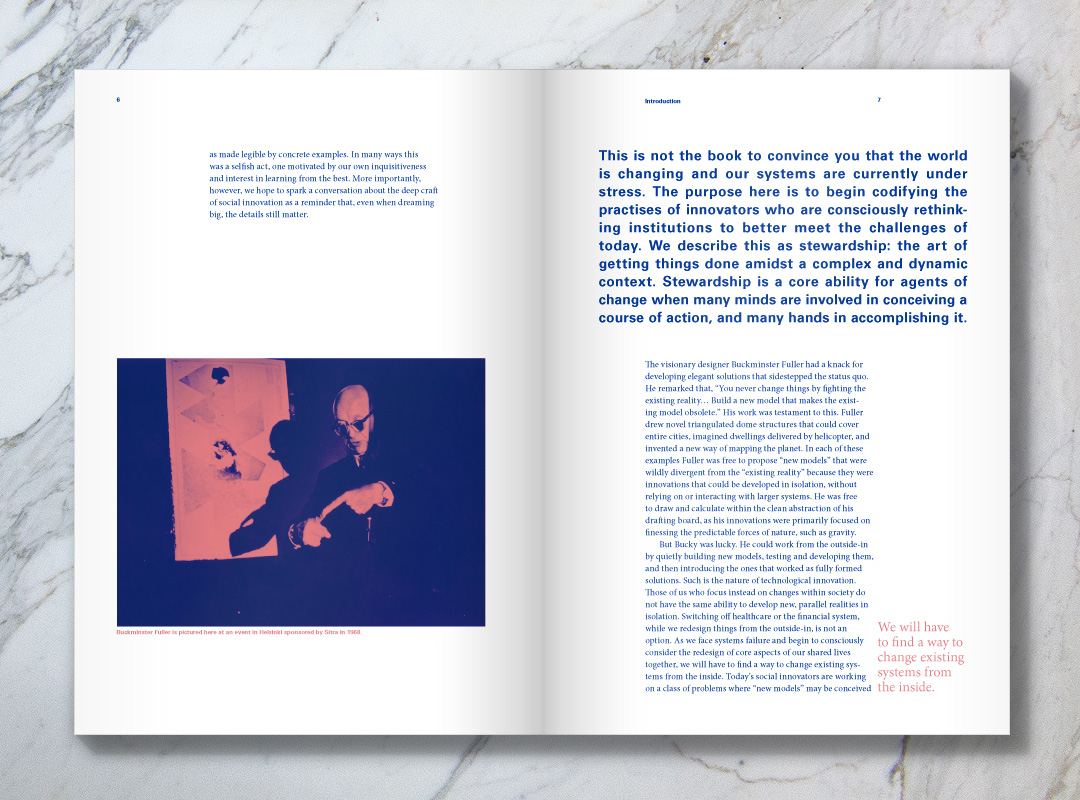
We wrote Legible Practises because we hope to bring attention to the craft of involved in stewarding institutions towards new new behaviors, new roles, and new purpose. This stems from a hunch that built slowly over five years, which is best explained in the preface:
...We have been lucky to participate in a global conversation with communities spanning from design to public service, technology to activism. Although each has its own set of tools and approaches, what struck us was the degree to which similar themes emerged again and again. The words may have been different, but the nature of the challenges and the styles of response were often remarkably comparable. Yet each spoke as though they were working in relative isolation.
Perhaps this should be no surprise, given the challenge of a world where many things seems to be changing, including the ways we live, eat, communicate, and just about everything else. As our needs span the silos of today’s society, the boundaries of our disciplines and the relationships between them will inevitably also have to adjust. Some are already doing this proactively; they know that it can be lonely on the edge.
To be an effective practitioner during a moment of flux is to be concerned with the discipline of one’s work as part and parcel to achieving better outcomes. The most accomplished practitioners do this naturally, but are often too busy to stand back and reflect publicly on a meta-level, let alone take the time to package and publish their approaches legibly. Sharing tends to focus on the endgame, without much elaboration of how it was played. When we read about promising social innovations in faraway places, we get half the story: sanitised of missteps, triumphant over adversity, effortless.
But hop on a plane and spend a day with one of these practitioners and a different story is revealed, a richer and more informative one. Last summer we had the luxury of doing just that. We listened closely to project teams as they explained their work in detail. We hosted three sessions, each bringing together two cases for a simultaneous discussion, concluding with full notebooks, large audio files, and our heads happily aching.
With this book we have zoomed into the promising practises of six groups to highlight shared tools and approaches, as made legible by concrete examples. In many ways this was a selfish act, one motivated by our own inquisitiveness and interest in learning from the best. More importantly, however, we hope to spark a conversation about the deep craft of social innovation as a reminder that, even when dreaming big, the details still matter.
Nesta, MindLab, IDEO, Community Solutions, Tironi & Elemental, and Government Digital Services were gracious enough to allow us to study their work. They provided the big dreams. We hosted a series of discussions, each bringing together a pair of cases, and then set to work distilling the outcomes into this text. Our work was to make the bridge between the dreams and the details explicit. We did this because we think that it might help others (including ourselves) learn quicker.
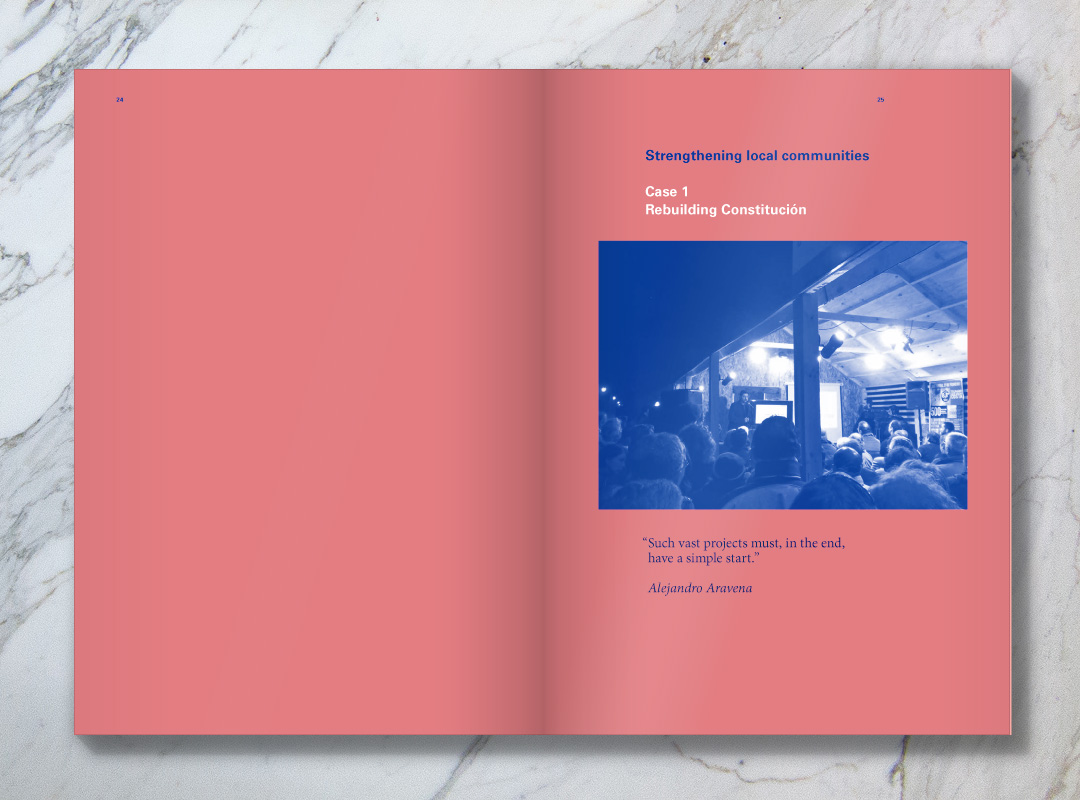
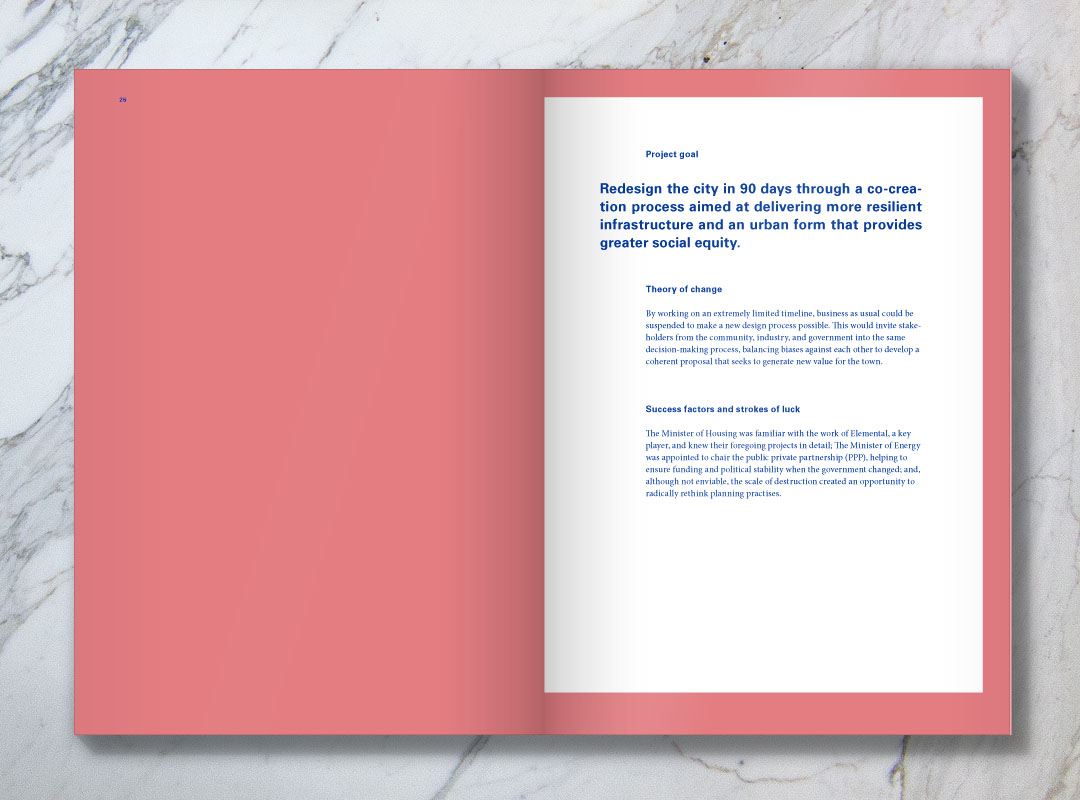
Each case is presented with a basic overview, a narrative that's a few pages long, a 'network of practise' diagram, and a series of points of practise that are illustrated by the case in question but by no means exclusive to it. In the one page overview we itemize the goal, theory of change (in our words), and strokes of luck. This last item is particularly important: if there were aspects of the project that would be impossible or extremely difficult to replicate, we've attempted to notify the reader of that upfront so that they can immediately start looking for alternatives.
The narrative does what narratives do: it gives you the overall arc of the story, describes the starting point and the status of the project (at time of writing), and introduces the main characters.
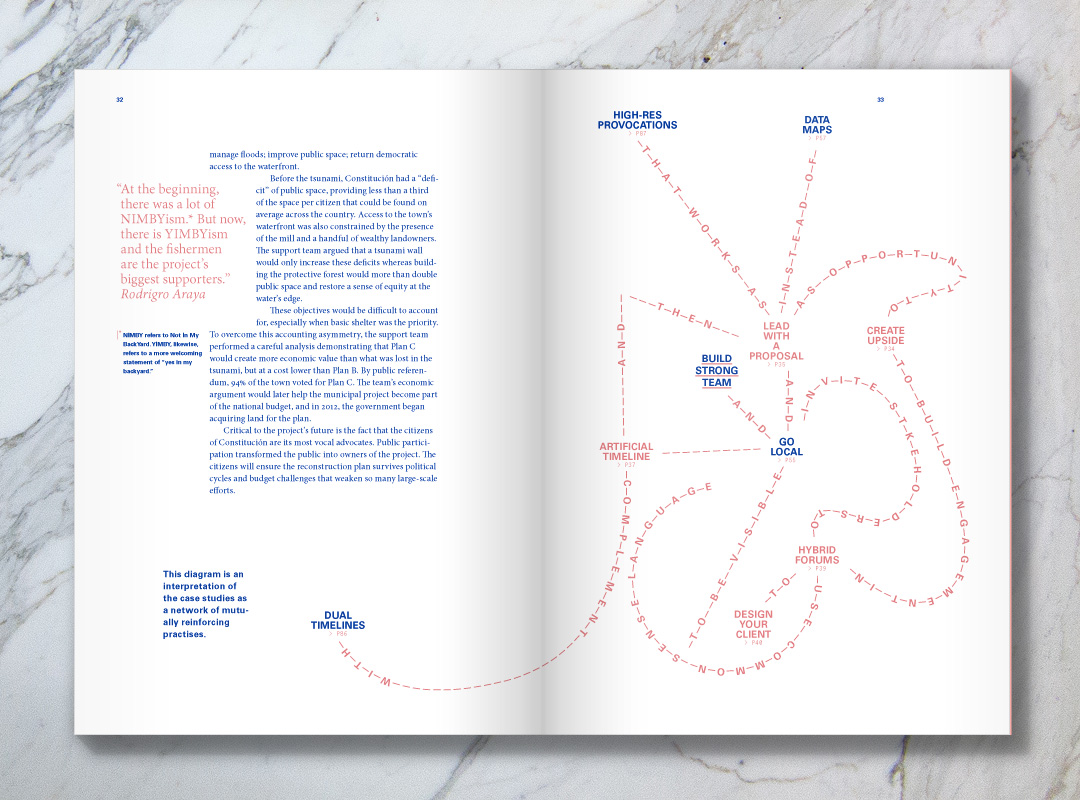
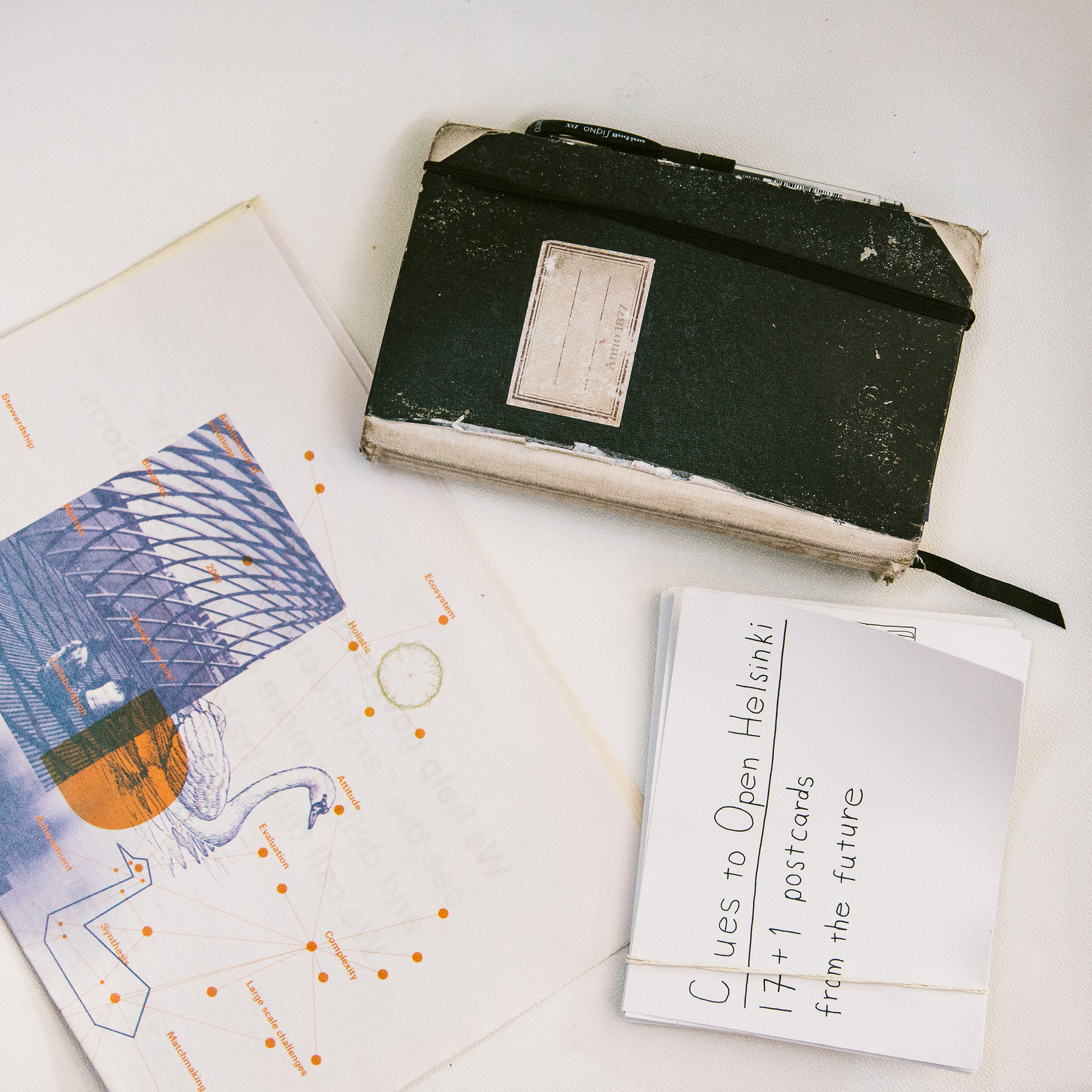
The 'network of practise' is a diagram we've invented to show a web of relationships between the points of practice in the book. This comes out of a taxonometric problem that we encountered when compiling the list of points of practice. On the one hand, it felt like we should divide them into a taxonomy with categories such as tools (data map, project blog, audio interview), methods (create upside, public beta), qualities (work at the extremes, create upside)… but this felt premature given that we've only studied six cases. We could certainly create a taxonomy, but that already implies a formality of knowledge that we were not comfortable with. One of the starting points of the study was the fact that different disciplines were all aiming at the same problem, which indicates that this moment is one of flux more than fixity. Using this network rather than a taxonomy avoids the problems of moving from one set of silos to another, and instead puts the emphasis on the individual points and how they connect.
As an open-ended system, the network diagrams show linkages between items and help the reader come to their own conclusions about the relationships between them in terms of scale, importance, and directionality. The diagrams include a mix of the points in the case in question, other cases in the book, as well as some points which are not covered at all in the book. Again, open-ended. Still in development. Evolving.
We've put our emphasis on decomposing the stories into building blocks: it's up to you to recombine them in whatever way is useful. Twopoints interpreted the networks so that each takes on its own visual form, its own identity. This leads to a good question: might we find a way to draw different kinds of institutional changes as typologies that have similar forms? Could we draw similar challenges in a way that helps an emerging community of practise develop a shared language for 'spiky problems', 'flat problems', 'round problems', etc? We have not engaged with that possibility here, for want to a large enough body of cases to do the idea justice, but perhaps at a future date.
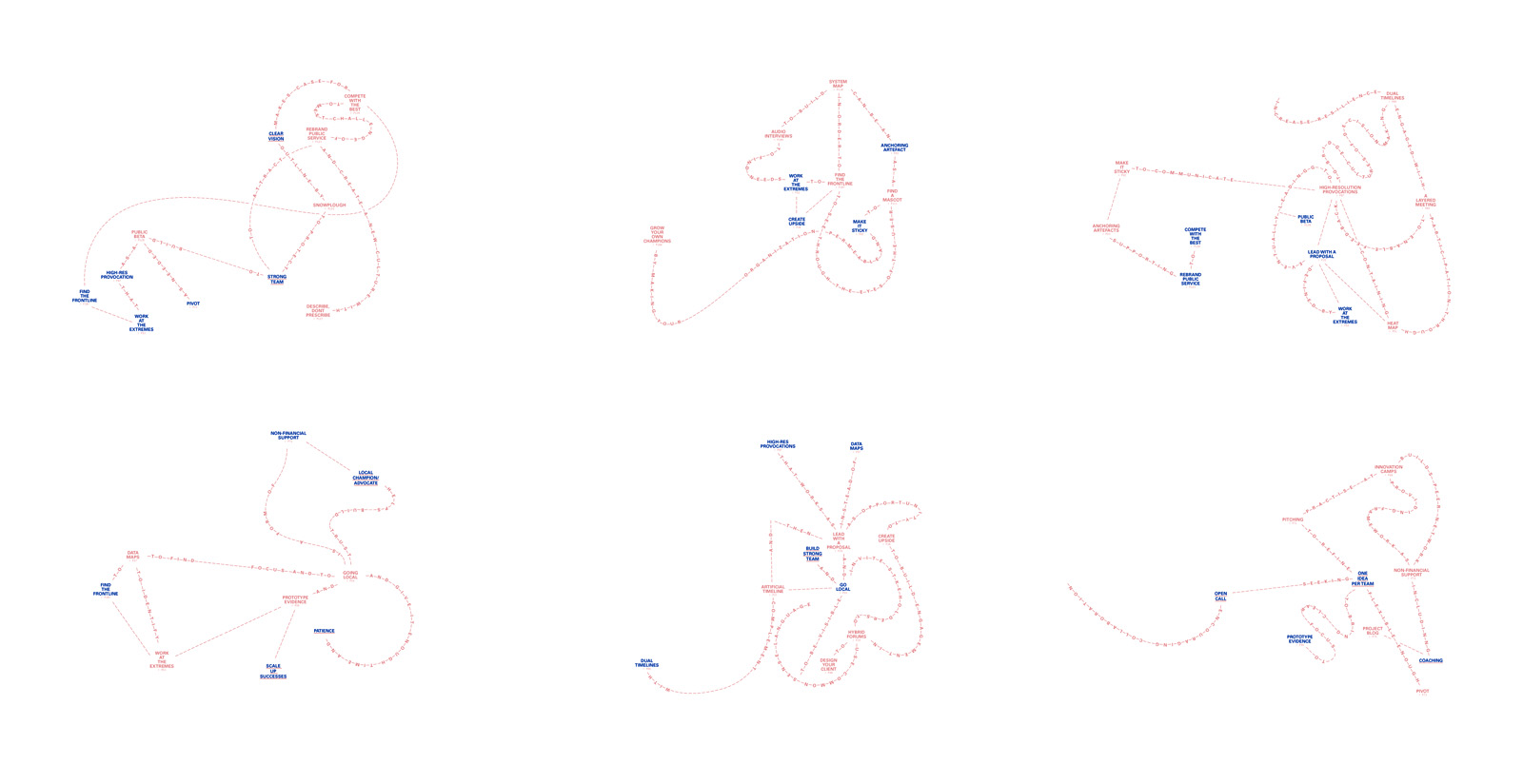
The cases take on their own identity through shape.
Next come the points of practise, which are a mix of tactics, tools, qualities, and probably some other broad categories we've neglected to see. Each point of practice is told through the case it's attached to, but is relevant to other cases as well (as exhibited in the network diagrams).
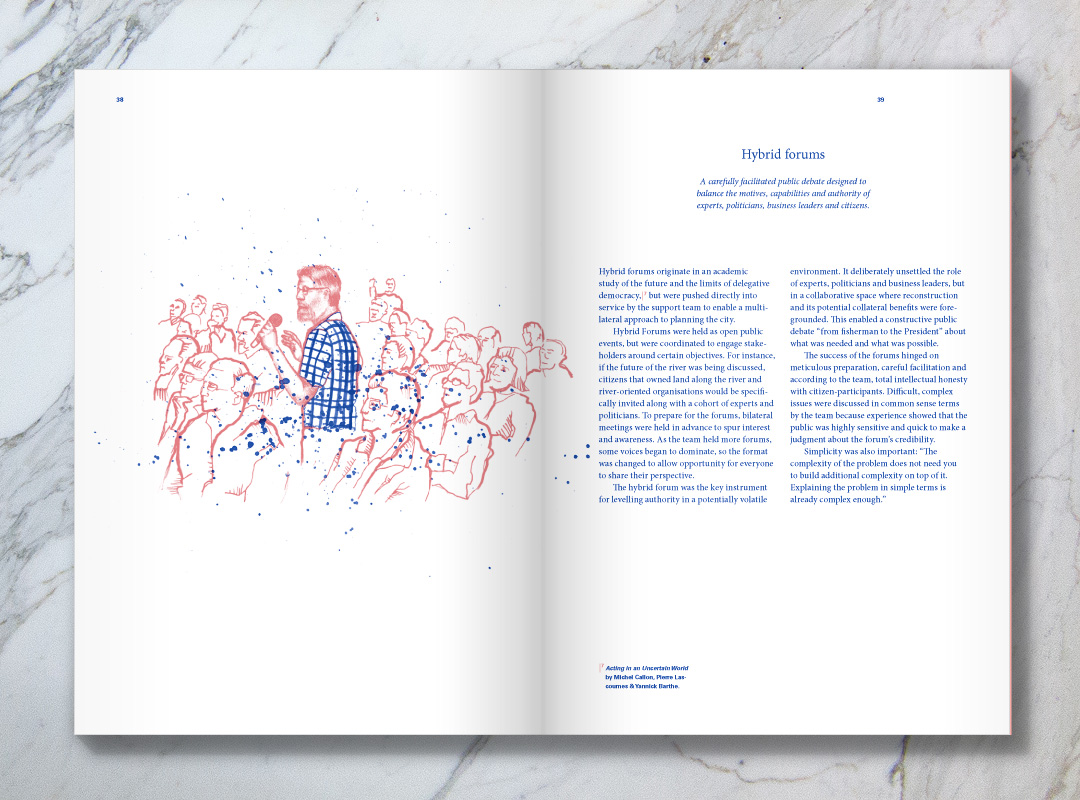
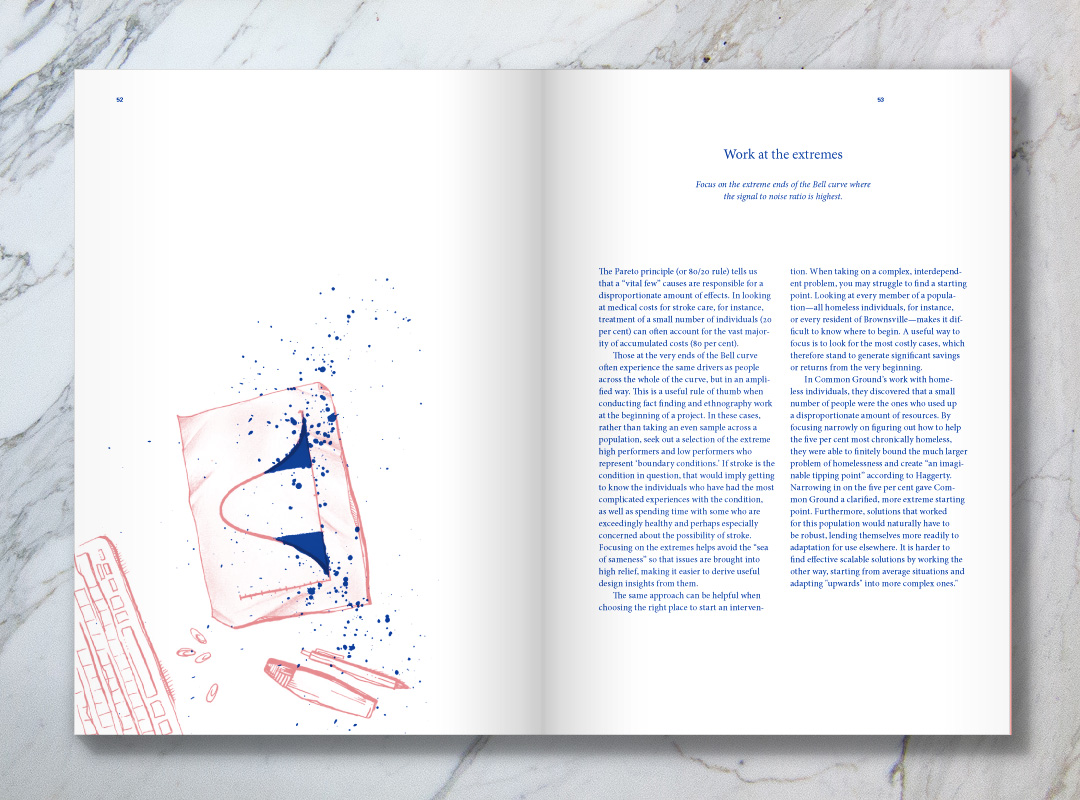
A subset of the points of practise are illustrated with drawings by Lucia Walter. This decision came out of a desire to add some visual content to the text. Choosing between photos and illustrations was rather simple: people rarely take photos of their process (unless they're like obsessive like the author of this post). But resorting to illustration was also important because it gave us a chance to bring the texture of handcraft into the book. We selected Lucia because her work in pen and ink is obviously rendered as a playful mix of purpose and happy accident. The style of the illustration is an embodiment of the notion of stewardship that we explore in the text itself.
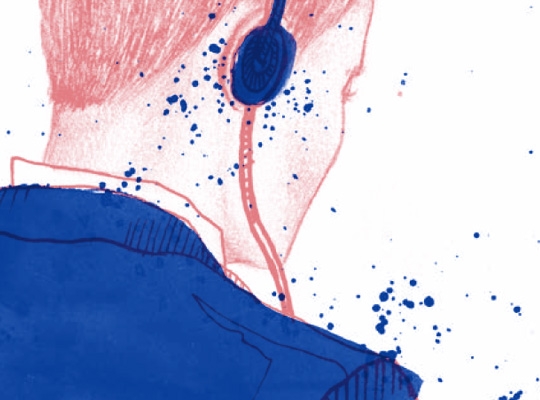
Evident handwork
Legible Practises is not attempting to be a definitive. Rather, we've hoped to nudge the discourse(s) on institutional change, on social innovation, on strategic design in a direction that engages the material practices as seriously as it does the cognitive ones. Like all of our publications, we've taken the liberty to experiment with the formatting and the execution without letting that diminish the thinking. Whether any of these experiments have worked it up to you to decide. We hope you like it.
In parallel with publishing Legible Practises as a hardcopy book on beautiful paper, with two color inks, and a swiss binding, we've also made it available via print on demand using Lulu.com. We have experimented with Lulu in the past and while it's not as nice as bespoke printing, their global distribution is important. By making the book interiors black and white we've also been able to offer it for a very low price.
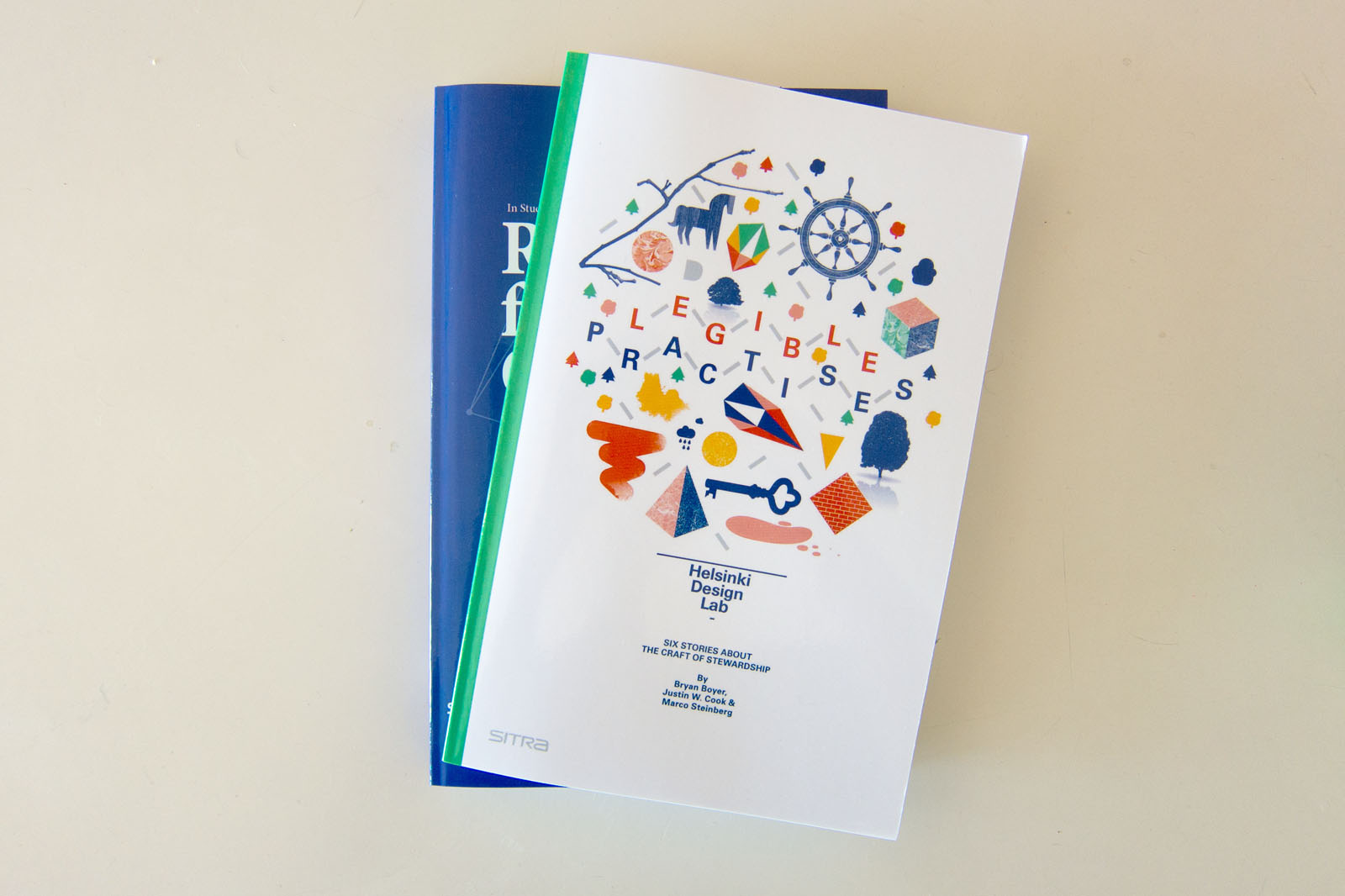

Black and white interiors mean that the books are cheap. In Studio is $13 USD and Legible Practises only $7.
And while we were at it, we also made In Studio: Recipes for Systemic Change available via print on demand.
Editors' note: In writing Legible Practises we told the stories of six teams working towards systemic change in their communities, organizations, and institutions. In the book you will find our perspective. Below you will find a personal perspective from Rodrigo Araya Dujisin, who played a key role in the Constitucion case study.
—
Hybrid forums are a tool for balancing the knowledge and interests of different stakeholders, particularly when addressing a controversial subject. The design of the Hybird Forum carefully sets aside hierarchies so that ideas and controversies can be debated more openly and productively. The goal of a Hybrid Forum is to reach agreements on difficult subjects, by establishing shared responsibility for decisions and co-designing mutually agreeable outcomes.
The Hybrid Forum seeks to even out the asymmetries of power by equally valuing different forms of knowledge, perspectives and interests. Rather than smoothing over differences or seeking to eliminate them, the methodological challenge of the Hybrid Forum is use the existence of difference to spark the exchange of knowledge and collective decision-making.
Hybrid forums are spaces where the socio-technical controversies caused by specific overflows take the stage in a more or less institutional way, with the participation of the concerned stakeholders on the one hand and scientists and experts on the other. They are spaces that allow problems to emerge that experts do not see, to reconfigure problems that have already been identified and to create a world that is common to all participants, which must always be open to new explorations and learning processes. The hybrid forum is the creation (artificially, if you like) of relatively symmetrical conditions for dialogue, meaning that it is fundamental to destabilize the unquestionable everyday hierarchies for it to work.
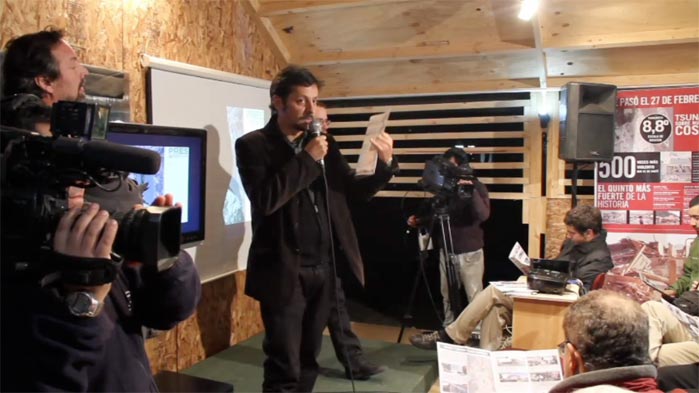
Rodrigo 'diving into controversy' during a Hybrid Forum as seen in the film Mauchos
1. “The one paying for the party does not choose the music”
The common good is the overriding goal and it should serve as the guiding principle for fostering dialogue and seeking consensus. While this may sound simple, in practice it is extremely complex to outline the common good among stakeholders who have different interests. On the contrary, it is very easy to appoint oneself the representative of the common good, but the commonality in such situations is rarely widespread.
While a single entity might fund a Hybrid Forum, their interests alone cannot drive the dialogue. Arauco, a company with interests in the city of Constitución, proposed and financed a new master plan after the city was ravaged by a tsunami in 2010. Tironi Asociados, along with a consortium of other actors, were asked to create an inclusive process that would give the citizens of the city a voice in its reconstruction. One of our first tasks was to convince Arauco that the plan had to be governed by a consortium that was representative of the city and whose members included the authorities, technical experts, companies and the community. At first they looked at us strangely—they were, after all paying, so shouldn’t Arauco have more say?—but they quickly understood the importance of this mandate.
Regardless of who pays, a new master plan would affect the lives of everyone in Constitución, so the governance of the project had to truly reflect the common good at stake. Though they might be the main financiers, it is not guaranteed that the project will be tailor-made to Arauco’s specifications. The one paying for the party does not necessarily choose the music. Both Arauco as well as Codelco, the main promoters of the aforementioned plans, agreed to form a board where the cities’ different stakeholders were represented.
This implies that subjects which are difficult for the funder may emerge during the discussions. For example, in Constitución there was debate in a public forum on the very presence of the Arauco cellulose plant in the city. The controversy was put in the public spotlight in a straightforward way. The main complaint against the plant has to do with the bad smell it produces in the city. While some people proposed removing it from the city, others defended its presence as a source of jobs; the company presented an improvement plan to integrate it into the city better. Arauco emerged from this forum with the commitment upgrade their plant through an investment of approximately $6 million USD. Human odor testers were proposed as part of a community monitoring system, complementing scientific monitoring of the perceived odors.
Producing this type of decision requires putting the common good first, which is beyond the grasp of any one stakeholder. The city itself is the guarantor of the common good and the city consists in all of its dimensions: authorities, experts, businesspeople and citizens. The Hybrid Forum becomes an ad-hoc town square meeting, a democracy, a miniature universe.
—
2. Dive into the controversy
To deploy a conversation on a citywide level you need to seek and to identify the key voices. In addition to the most obvious authorities, leaders and stakeholders, it is important to identify the critical voices, the informal leaders: to represent all possible worlds.
Ethnographic immersion such as this requires the wisdom of a craftsman, the precision of an acupuncturist and Buddhist patience. Getting to know the little stories and characters is fundamental to building bridges, facilitating dialogue, forging consensus and cobbling decisions together.
This implies getting to know the different stakeholders, the big and small discussions, the tensions, and the conflicts in the city. It means engaging both the powerful and the marginal sectors. One must immerse themselves into the city and its many communities in an ethnographic way, seeking to understand them on their own terms.
It comes through having a lot of coffees, sharing many beers, and listening. For example, shortly after starting work in Constitución, we found ourselves in a slightly depressing dark room taking with leaders of the local chapter of the Communist Party, a traditional and respected organization, but one that is very marginal when it comes to the decision-making process in an already marginal city. That night we asked ourselves: What are we doing here? That night we met people who ended up being fundamental to forging agreements on the Master Plan. Our team felt the same way as we met with 14-year-olds, young surfers, street vendors and the local aristocracy. It’s impossible to know a priori who will have the missing pieces of the story that become essential at a later date.
—
3. The Open House
Through practice we learned that the Hybrid Forum works best when it has a physical home in the heart of the city. We call this the Open House. The Open House becomes a symbol of the process itself, while also serving as an operations center for participation. This is where the forums, councils and meetings are held.
We installed the Open House in the main square of Constitución, in her geographic and symbolic center. This might appear to be a frivolous detail, but it was extremely important to process because the Open House is a place that is born without the preexisting valences of public spaces, including municipal and hotel halls or organizational headquarters. As a new place, the Open House is gradually filled with meanings and contents as the participation process progresses. As a neutral space, the community’s trust can be built from a neutral starting point and does not need to overcome past connotations or legacies.
The Open House team must include an appropriate mix of locals and outsiders. Especially in a small town, the outsiders give the process a special touch, as they are not “the same people as always.” The locals give the process social pertinence, in addition to the social networks required for meaningful deployment in the local community.
—
4. The forum as a network: Composition and structure
Upon convening the Open House everything learned in the previously has to be applied with an acupuncturist's precision. The forums did not seek statistically perfect representation, but we were careful to meticulously watch out for the well-worn pathways of power that we had discovered during the early ethnographic immersion. Forums have to reproduce the complexity of a territory; the different social worlds. The forum’s composition is fundamental.
We are not interested in having 1,000 or 5,000 people at a forum if they are homogeneous. We seek a heterogeneous network with a high degree of intermediation. That is, a capacity to build mediating bridges between different social worlds. In network theory this is known as "betweenness." We had authorities, engineers, members of the military, priests, teenagers, radical environmentalists, communists and businesspeople at the hybrid forums in Constitución, a network with the capacity to "infect," to disseminate the conversation throughout the city.
The objective is to have all of the stakeholders, visions and interests on the issue at stake available. If the controversy is the oasis of the desert-city Calama, for example, then farmers, real estate developers, indigenous people, the municipality and businesses with interests in the territory should participate. The friction begins with all the actors at the table and a proposal as a starting point. Hybrid forums open up hidden tensions and conflicts. They are made explicit; all elements are put on the table and a persistent attempt is made to find common ground. This is sometimes a consensus and at other times it is not, but that does not paralyze the process. The parties stake out their positions, but they also leave room for agreements
—
5. Catharsis and overflows
These are processes full of friction, conflict and uncertainty. Hydbrid forums should allow collective catharsis to occur. The mere fact of bringing together diverse stakeholders is an opening for the otherwise-contained tensions to emerge, the scores yet to be settled, the historic demands to be voiced once again. Our experience indicates that it is positive to let this tension be expressed, as a hard fact, and to consider it as a starting point. The worst thing is to ignore them and to rush the search for solutions and consensus.
Catharses are small crises and they are not easy to manage. There is always the temptation to take the moral high ground and to question the other side's legitimacy. This is where facilitation is fundamental for channeling the catharsis from the emotional plane (anger, indignation, feelings of injustice) to the philosophical one (ontological pluralism, accepting the other), followed by the socio-technical plane (consensus, proposals).
We have witnessed all types of catharsis. One of the hardest moments we faced was a four hour confrontation in the Open House, with TV cameras and digital streaming, where people held the company financing the plan responsible for the last 100 years of failures to fulfill promises, frustrations, and damages. In our attempts to move from the emotional to the ontological (everybody deserves respect, everybody makes mistakes, everybody can improve), a person took the microphone and, visibly moved, said that the forum was very difficult to participate in because it was like bringing a rapist and his victim together in a mediation room. The brutality of the metaphor produced a long silence without anybody refuting the premises behind it, not even the company. After a long and uncomfortable silence all sides agreed to try it, to use dialogue to seek a world in common for the future, in this case planning the city. Catharsis is the best investment (of time and emotional energy) for a fruitful dialogue.
—
6. Material dialogue
Engaging in dialogue is a real art, but it can be a nightmare if there is not a concrete subject, issue or controversy. The dialogue at the center of a Hybrid Forum is particularly difficult because it involves participation on the part of actors with different knowledge, biographies, levels of education and interests. To hold productive dialogues it is fundamental that the conversation be given materiality through proposals and conceptualizations that synthesize information, layers, points of view. The more visual and concrete these can be the more effective they will be.
Hybrid forums deal with a specific problem based on a proposal made by an expert team. The rules of the game establish that the proposal can just be questioned or improved, but also that the question itself, the premises, can be changed as well, with the possibility of opening up new questions and new controversies.
We refer to materiality in two ways. First, we refer to the synthesis of information in the form of a PowerPoint presentation, a model, images, graphics that ground the verbalization of proposals in additional media. Second, these slides refer to works, concrete projects that the city wants to implement. This allows grandiose statements like "safety is important" to become embodied in a specific decision that has material consequences.
The materiality for dialogue has two main objectives: to produce dialogues with focus and, second, to democratize or to socialize expert knowledge, valuing other types of knowledge. In other words, it is about producing epistemological symmetry. In general experts hide in their little worlds, protected by their own language, and jealously defend their quotas of power. In hybrid forums they have to validate their expertise with all types of audience. Their credentials are left out of the argument.
This is where wonderful interactions are produced, such as between a PhD in oceanography and a fisherman, between a transport engineer and a taxi driver, an urban developer and a street vendor, and all of this with bureaucrats, business executives and local artists mixed in.
So, what connects this whole mosaic of knowledges, whose interests are confronted on an everyday basis, who use their quotas of power and hold conversations among the deaf? We believe that materiality contributes to producing the grout that holds the mosaic together.
—
7. Sportsmanship and Ontological pluralism
To avoid conversations among the deaf, where each voice tries to impose its perspective, and to avoid instrumental dialogues where each stakeholders comes into the game with a shopping list, there is a need to learn (and to teach) how to deliberate with a sportsmanlike attitude, with fair play. This is almost a form of collective therapy.
There are two fundamental rules here: a sportsmanlike spirit and ontological pluralism. The former refers to being willing to lose something, to taking on more flexible positions to reach what Bruno Latour calls "a world in common."
Ontological pluralism refers to acceptance of the "other" in his full complexity, with his virtues and defects. It will be hard for authentic dialogue to take place if one stakeholder discredits or negates the position and interests of the other. In our everyday lives we use caricatures and simplifications of reality and for a hybrid dialogue there is a need to question and to take apart said simplifications.
If a businessperson calls an environmentalist an "eco-terrorist" or if the businessperson is called a "thief," then the existence of the other is being denied. How can such caricatures be taken apart, at least for the purposes of the Forum? The answer is: with patience, with many one-on-one conversations and with a great deal of frankness on the part of the facilitator during the hybrid forums. The benefits are not long in coming and the diverse stakeholders let down their guards and open themselves up to dialogue with the "other."
Skillful facilitation is fundamental. Dialogue often rises in tone, the parties get passionate. The facilitator holds a position that is different to that of all the other parties, including the experts, but it is not a neutral one. The facilitator is the one who guides the dialogue and gradually brings the common ground between the different parties to light. They must protect the deployment of dialogue, gradually sketching out the areas of agreement and prioritizing the public good. To achieve this, the must have an active voice and often say no to demands that are beyond the real possibilities of the forum (change authorities, certain rules, etc). The facilitator must keep the forum’s focus on shared problems, avoiding the possibility of getting caught up in private concerns.
All of this is aimed at creating a conversation by converting technical proposals owned by experts into social questions owned by the community. Accepting tensions and conflicts builds the openness and flexibility needed to gradually reformulate the technical proposals.
—
8. Socio-technical craftsmanship
Forging a world in common is a craftsman's job. It is about intertwining the social, the technical and the political. It is about assembling collective decisions, weaving together ties between people, mixing the emotional and the rational; creating new truths.
It is the work of a craftsman because it requires managing the conversation in its full complexity, with personal tensions, parallel agendas and multiple pressures. It is the work of a craftsman and also high tech, because it uses all devices and dialogue platforms.
We get worried when easy agreements emerge that could hide tensions that have not been dealt with. Tensions must be resolved in all dimensions: with experts, decision-makers, the affected parties, and the occasional curious person passing by the square.
In Constitución a well-known local businessman tried to forge an alliance with fishermen outside the forum, trying to create an bloc that would work against a key part of the master plan, as they would both face expropriation from their homes. Fishermen were initially very critical of a proposed tsunami mitigation park along the water, as it affected them directly. They argued that, in addition to being victims of the tsunami, they would now be the victims of reconstruction by being pushed further away from the shore. As the process went on, after tense dialogue sessions, they began to show their understanding and to accept the greater good that the proposal meant for the city. Acknowledging the "greater good" meant losing something very important to them, such as being located near to their boats, their jobs. Thus, we slowly and delicately outlined an agreement. The fishermen proposed two criteria: a) a fair relocation and, above all, b) for it to be democratic. If the poor had to go, then so did the rich people occupying the same waterfront, barely separated by a street. If these two criteria were fulfilled then they would support the anti-tsunami park.
The attempted "rebellion" led by the businessman was revealed in the forum itself by the people who said that they felt like they were under pressure and that they wanted to maintain the rules of the game, the fair play. The businessman defended himself; he had to open up the conversation with many witnesses, and finally stances became more flexible. During this forum, mathematical modeling was also presented to show the true mitigation of the proposed park, which ended up being quite high, with a 40% reduction of the wave speed by virtue of the friction introduced by a new forest. Urban planners had stressed the need for a great public space that the city did not have. The people themselves had proposed in the initial visioning workshops had said that the most important thing for them was the city's relationship with its natural environment. Others made comments full of emotion. All of this was in public: the science, the emotions, the legal restrictions, in an open house held in the town square and broadcast on local TV and with Internet streaming. A civic opera, crafted in common.
—
9. Communication without complexes
What happens in a hybrid forum is of interest to the entire city, which entails the challenge of bringing the hybrid forum to all corners of the city. To take that conversation to every bar, every family table, every street, communications play a fundamental role. They accompany the participation process and contribute to disseminating a narrative of the process, especially among more passive audiences.
Given the relevance of the process, documenting it is important. In this context, we have a variety of media - like documentary film - to document the path to controversy resolution and to provide a symbolic testimony of the community’s participation in its development. We use all forms of communication to inform, seduce, and convene the citizenry. Old and new communication technologies are used, from megaphones and pamphlets to digital media outlets, in addition to TV and the printed press. Everything goes when it comes to reaching broader audiences.
Summonses, progress, conclusions, agreements, disagreements and everything that happens in the participation process is communicated.
Between 50 and 100 people participated in the Constitución hybrid forums and between 500 and 1,000 people in an open town council meeting. Regardless of how well the forum has been put together, this is nevertheless a small number if we consider that decisions will be made that are of interest to an entire city whose population is above 30,000. Communications allow you to fulfill a maxim that se set ourselves: "Nobody can be allowed to say that they did not find out what was going on in the Open House."
—
10. The party, the hangover and starting over
Hybrid forums have the capacity to produce new agreements, some strong, some provisional; the world people have in common is outlined. The result of the forums is given back to the city. A public consultation process is held where the central decisions are subjected to a referendum and the people are asked to prioritize the different projects that comprise the overall plan.
The consultation is a democratic celebration. Reaching this point has already produced change in the city; the fact that proposals have been submitted that were elaborated by the different parties involved is something that generates trust, identification with the process—imperfections included—and it gives it an epic touch. The result: the city has a road map that reflects technical excellence and is economically and politically viable while enjoying social legitimacy.
But like all parties, then comes the hangover. In this case the hangover is the plan's implementation. If the sportsmanlike spirit is not maintained, then disagreements emerge when it comes time to implement the urban projects. Controversies are updated and new overflows are produced.
Outside of the walls of the Open House and beyond the bracketed time limit of the Hybrid Forums, the questions remains how this type of participation might be maintained over time and scaled up to broader levels of society. We do not have answers yet. The common world is still under construction.
—
For more, check out the relevant chapter in Legible Practises and read this conversation with Rodrigo on the Brickstarter site.

Editors' note: In writing Legible Practises we told the stories of six teams working towards systemic change in their communities, organizations, and institutions. In the book you will find our perspective. Below you will find a personal perspective from Corinne LeTourneau, who played a key role in the Brownsville case study.
—
The sense of excitement in the community center was palpable as a group of 200 people started chanting, “Where is HOPE? Inside Brownsville!” This was a landmark moment for the Brownsville Partnership, a community revitalization initiative spearheaded by Community Solutions. This display of enthusiasm took place at the conclusion of the Hope Summit, an event which kicked off a yearlong community planning process in partnership with community members, helping community members to work together to shift the conditions that perpetuate poverty in their neighborhood. The Hope Summit not only serves as an important mechanism for partnering with the community to formalize its vision, but also represents the culmination of years of patience and building trust with community members in the neighborhood of Brownsville.
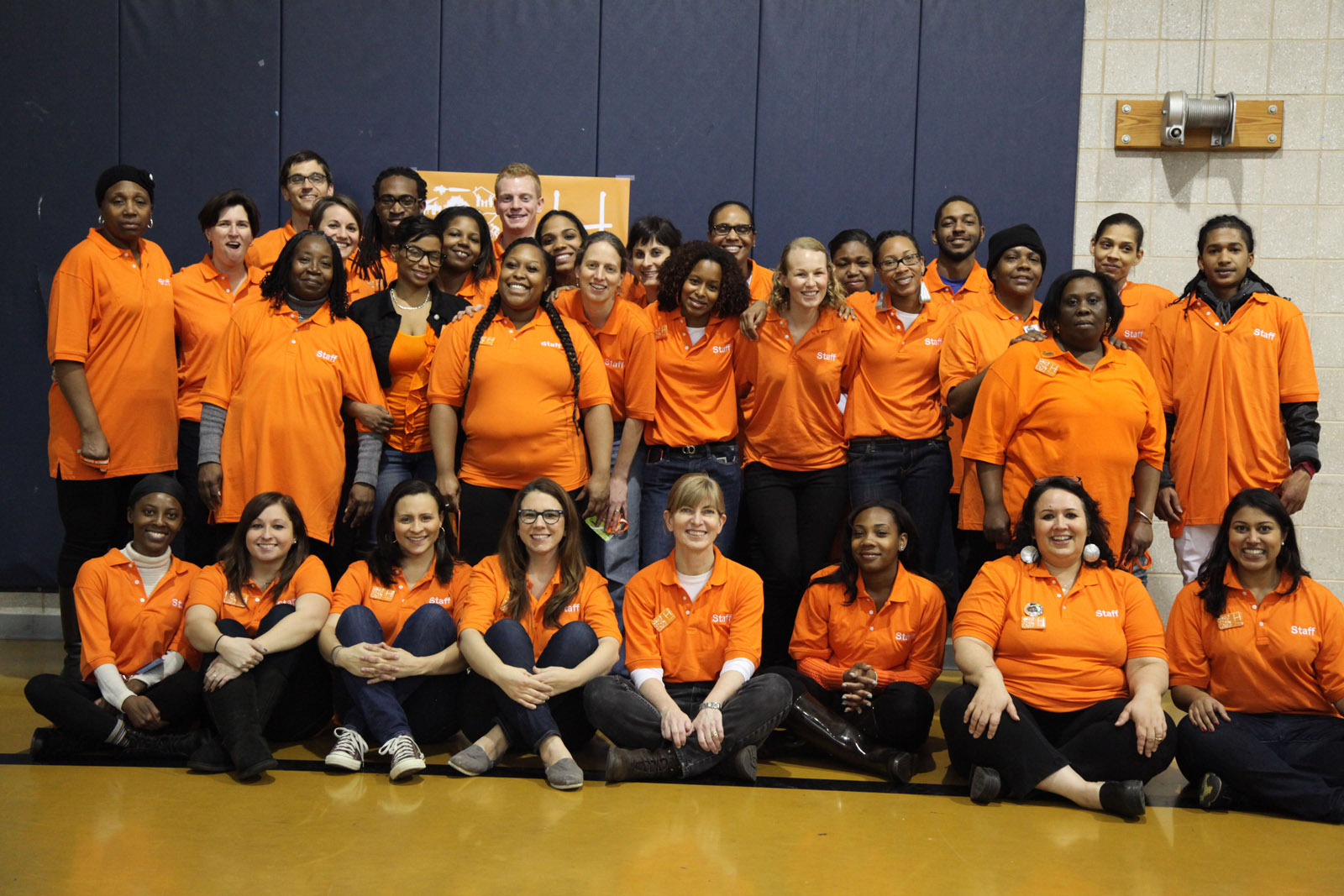
Brownsville, Brooklyn is one of New York City’s most troubled neighborhoods. The vitals of Brownsville make for grim reading: poverty, crime, homelessness, unemployment, child welfare, education, and health. More than one-third of Brownsville families live below the poverty line, unemployment is higher than average, and 29% of the population left high school without a degree. In short, the community has struggled in recent years by almost every indicator. Community Solutions began working in Brownsville in 2005 and established the Brownsville Partnership in 2008 in hopes of making Brownsville a safer, healthier, more prosperous community.
We knew that we would need to earn the trust of the community if we hoped to make a difference. As outsiders we might be construed as ‘parachuting’ into the neighborhood if we did not place community partnership and engagement at the forefront of our goals. Thus, the newly formed Brownsville Partnership started seeking out neighborhood leaders for collaboration. This search quickly brought Community Solutions’ president, Rosanne Haggerty, and the BP team into contact with the unofficial mayor of Brownsville, Greg Jackson.
Jackson grew up in Brownsville, briefly played in the NBA, and returned to his community to run the Brownsville Recreation Center, one of the few strong community institutions at the time. Jackson was a trusted neighborhood leader who loved the “village” of Brownsville from his childhood and continually sought ways to help people see the hope inside Brownsville. Haggerty and Jackson hit it off immediately. Jackson was immediately drawn to Haggerty’s vision for neighborhood change and her desire to get things done. He sensed that Haggerty and her team were not going anywhere and they were in it for the long haul. In Jackson, we found someone who could bring local authenticity to the effort in a way no one else could.
Jackson’s enthusiasm led to him joining the BP as it’s first director. Together, Jackson, Haggerty, and the entire BP team recognized that they had to work at building trust every day in the community to convince a weary Brownsville neighborhood that we would not abandon them like many organizations had done before. This required a mix of both patience and urgency. It would take time for the community to be convinced that the BP could enable positive change, but we also needed to bring a sense of urgency to building widespread trust and social capital within the community. It soon became clear that for the community to trust in the BP, they needed to see evidence of change being possible.
Making visible change in response to residents’ concerns became a theme early on. For instance, in 2009 the community shared its concerns about the quality of food found in markets throughout the area. The BP immediately sought out a partnership with a farmer’s market operator to bring quality, healthy food into the community. By summer 2010, the farmer’s market stand launched and the quick response to the food needs and the visibility of the project proved to be a “trust multiplier”. Even community members who did not purchase produce at the market, still saw something different and positive in their community. This model of making visible things happen soon became an ethos when developing new projects or programs. New health programming was deployed in the form of neighborhood bike tours, walking groups, and visible wayfinding signage and maps to encourage walkability. Community meetings now took place on neighborhood corners and the farmer’s market expanded to two additional locations to increase the BP’s visibility. The community was beginning to believe change could happen; they could see it happening.
Our work also benefitted from the involvement of local residents, which helped us further strengthen the ties of trust. The BP invested in staff dedicated to community organizing, outreach, and mobilization. Our community mobilization team consists principally of residents who have successfully resolved their own past challenges with the help of the BP and now utilize their rich local networks to spread the word about the BP and encourage participation. Small, structured house meetings—"Coffee Klatches"—are often the vehicles for this process.
These house meetings serve as a means to listen to the community and hear their concerns, and also to develop achievable solutions in partnership with community members. For instance, community members expressed concern over the lack of activities for youth in Brownsville. The community mobilizing team then used additional "Coffee Klatches" to discuss solutions and launched a local youth resource fair. The community mobilization staff has also become ambassadors for the BP and represent the BP at community meetings and events.
Investing in these staff members assists the BP with sustaining trust and hope in Brownsville by building a permanent, seven day a week presence in the community and creating a continuous feedback loop for community concerns. Having a deep connection to the local context enables the community organizing team to help the BP understand the specific needs of specific people within the neighborhood, thus enabling us to develop initiatives that respond to the actual context of residents lives and meet the needs of real people.
For more about Brownsville, check out the relevant chapter in Legible Practises!

T-Minus 3 days till HDL 2013.
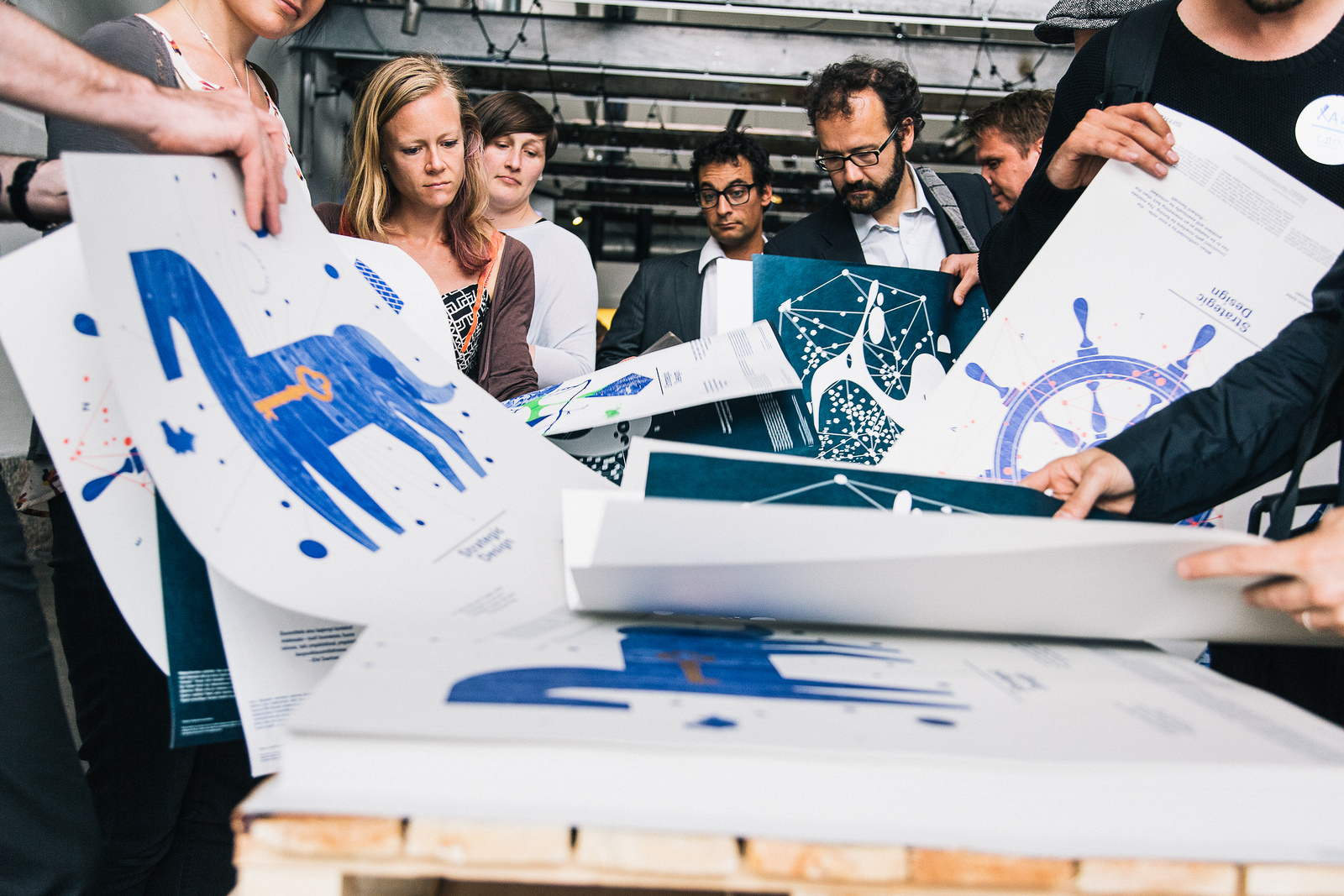
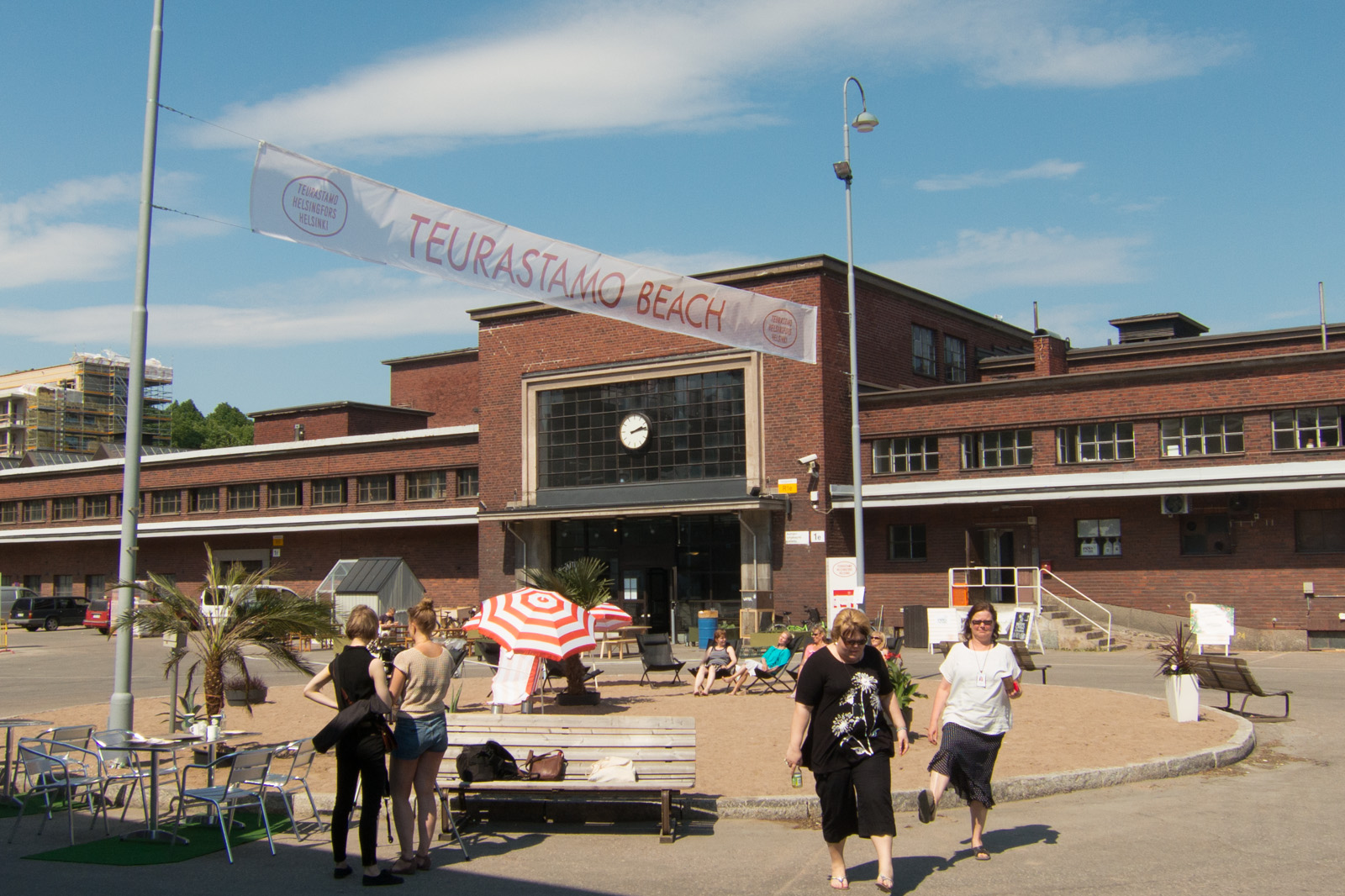
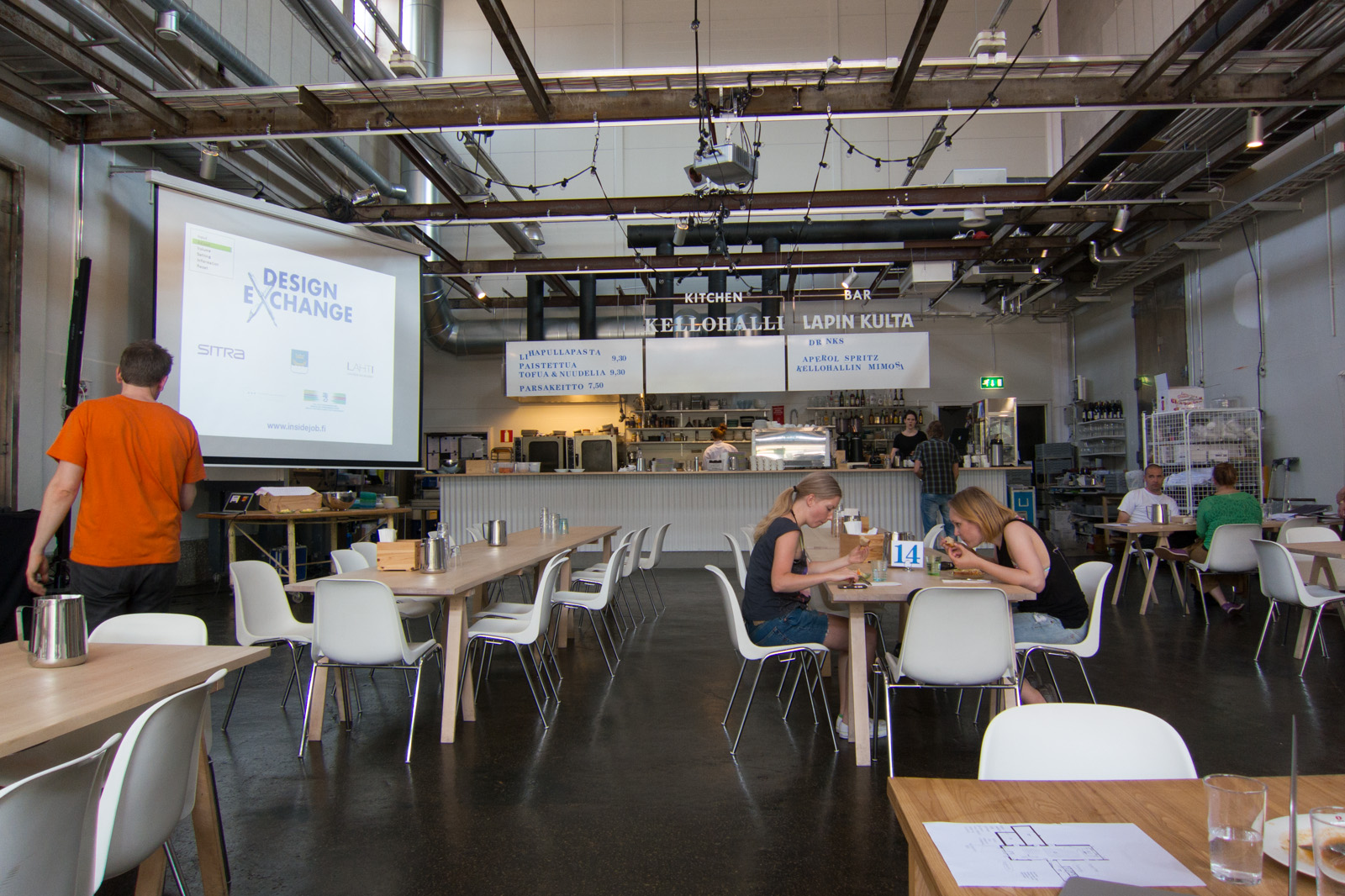
That means we're on site at the venue doing AV checks, finalizing meals, printing programmes, and the like. Today we moved boxes upon boxes of HDL books, posters, and other material to Kellohalli. We'll be giving them all away to attendees.

Apart from that, we're working on a revision to the website that will serve as the final update. There won't be any major changes, but we're taking the opportunity to adjust things like the navigation and organization of the site so that it's as useful an archive as possible for people who happen upon it.
Because Everything Is Connected, redoing the website means also revisiting some of the publications. We've created print-on-demand versions of In Studio and Legible Practises, both of which will be cheap and available globally.
OK, back to event preparations.

In case you missed it, earlier this week we shared the story of the HDL visual language,how we brief photographers, and a few of our favorite spots around town (for those coming to the event and finding themselves with a bit of free time). That makes this a four-post week.
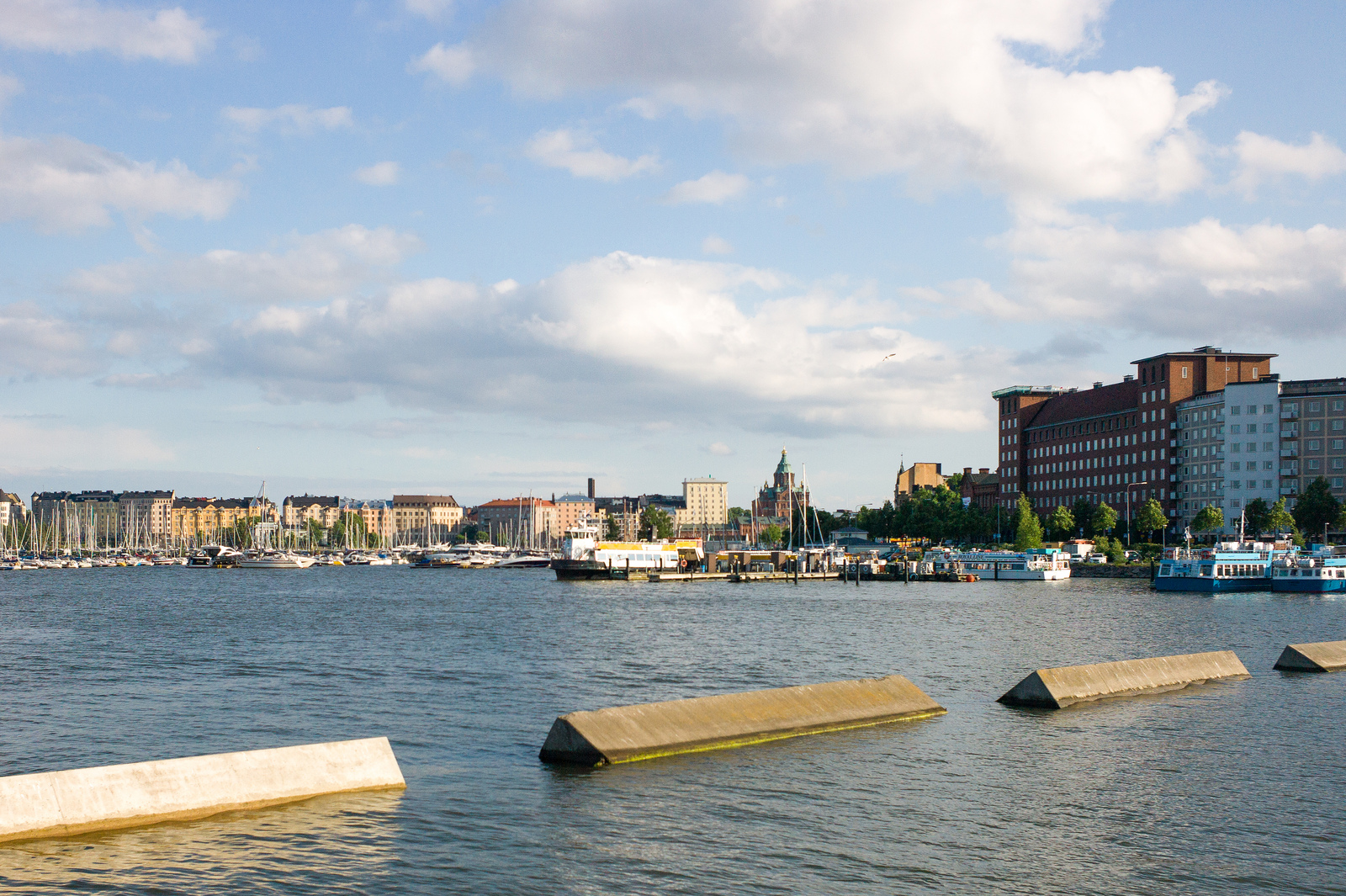
We have about 200 people joining us for HDL 2013 next Monday and a good portion of them are coming from outside Finland. In case you're not familiar with the city, here are some suggestions for things to do when you're not at the event.
Meals
nb. Restaurants in Helsinki can have idiosyncratic hours and often book up quickly. It's best to check online before you visit, or even give them a ring.
Atelje Finne
14 Arkadiankatu
Modern Finnish cuisine in what used to be a sculptor's studio.
Kolme Kruunua
Liisankatu 5
A little slice of Finland circa 1950. Try the meatballs or the salmon soup.
Dong Bei Hu
Korkeavuorenkatu 47
It sounds odd to have Chinese food in Finland, but this is some of the best to be found outside of the Middle Kingdom.
Glass of wine
Latva
Korkeavuorenkatu 25
Occupying a quiet corner in one of Helsinki's leafier neighborhoods.
Open late
Putte's
Kalevankatu 6
Pizza and drinks with grad students and cool kids.
Coffee or a small breakfast
SIS Deli
Kalevankatu 4
Coffee, tea, and snacks in a crisp space.
Fratello Torrefazione
Yliopistonkatu 6 (inside the Kluuvi mall)
Good coffee & good people-watching on a busy downtown street.
Good Life
Kolmas Linja 17
Part of Finland's new wave of coffeeshops.
See a bit of Helsinki
Kulttuurisauna
Hakaniemenranta 17
Relax in Helsinki's newest (and best) wood-fired public sauna. Like none other.
Ateneum
Kaivokatu 2
Go for the paintings by Finnish masters Akseli Gallen-Kallela and Hugo Simberg.
Suomenlinna
Pohjoisesplanadi 39
Have a walk around this island fort just off the cost. Public transport takes you there and back from Kauppatori, the market square.
Bring home something nice
Design Forum
Erottajankatu 7
Selling a wide variety of products by local designers.
Artek
Eteläesplanadi 18
More than sofas, but those are nice too.
Iittala
Pohjoisesplanadi 25
Glassware and other things for the home since 1881.
