All posts by Dan Hill

As Bryan has already noted, a month ago I left Sitra, left Helsinki and moved to Italy, where I’m the now the CEO of Fabrica, a communications research centre and trandisciplinary studio. (You can read about that here.) Back in Helsinki for the weekend, having left a lush autumnal Veneto on Thursday, I’m posting this from a city that is now −5 and deep under snow.
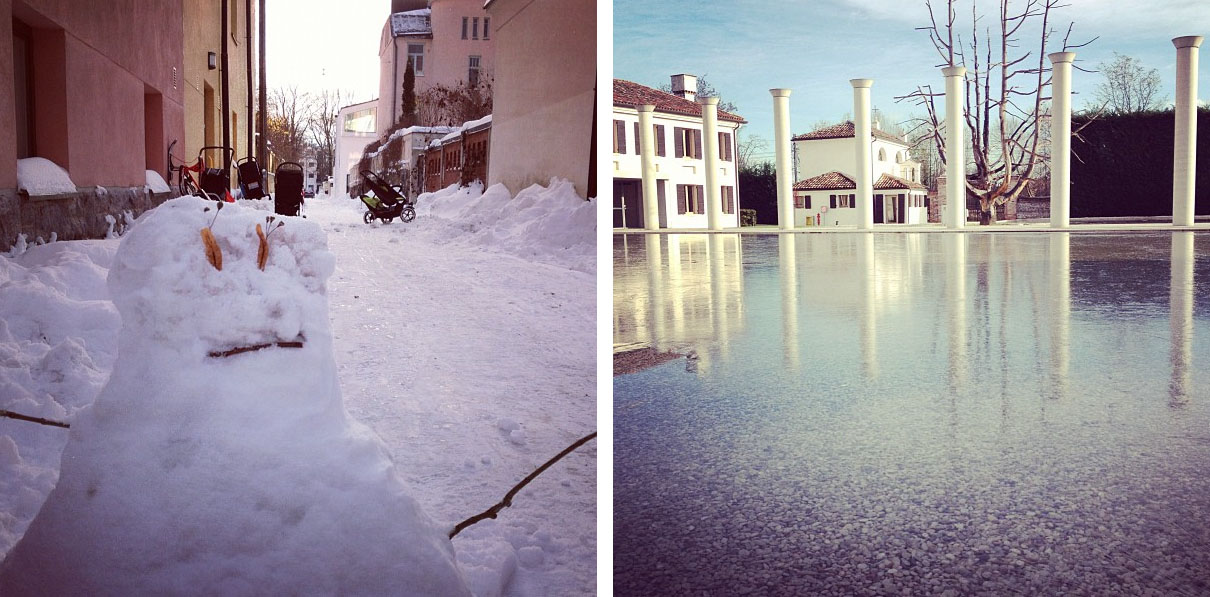
North, South
I leave with mixed feelings: I could not be more excited about the new role at Fabrica, and equally I’m very proud of the projects that we created or developed here—Brickstarter, Open Kitchen, Design Exchange, Low2No and Helsinki Design Lab—and yet, as well as missing Helsinki, I also feel a loss that I’m not able to help take those projects forward.
This last aspect is clearly not important to anyone else, though; what is important are that the projects do have lots of life left within them, numerous unexplored avenues, and that they are taken forward in different contexts, tested under different conditions, by people more than capable of doing so. And that includes you, reader.
For instance, we often get emails asking us if Brickstarter is launching near them; we reply that they can take it! All Brickstarter is, essentially, is a tool to crack open discussions with government, and in public, constructed by taking the existing tropes of social media and crowdfunding and throwing them at spaces, communities and governance. It’s a sketch, and as such can be reinterpreted by others. There is no unique IP there as such—Sitra is a public body—and our “legible practice” approach is intended to enable you to take what we produce and deploy it elsewhere. Equally, there is no particular magic there. Again, it’s taking off-the-shelf cultural artefacts—social media—and deploying them in a slightly different context to their usual mise-en-scene.
The issue is in how you do it, who is doing it. That is what holds governments back usually, as there is barely a government, at city or state level, anywhere in the world who has the right people in the right place. In the particular case of Brickstarter, that means coders, designers, community managers, organisational entrepreneurs in strategic positions at the heart of government. Those things are usually treated as services to be bought in from outside and frankly, by people who don’t know what they’re buying.
However, there are a few honourable exceptions to this emerging, which is very encouraging. Those people have no need of Brickstarter and Open Kitchen, as they will already have a hunch as to what to do and how to do it. That could be you.
We’ve been so open and precise about the development of Brickstarter that it has often confused. Again, it is a sketch, and a conversation. To make that meaningful, we had to detail everything, to think it out loud, as it were. Thus, people thought it was a real live service—some people who can only see things through the lens of “hot new startups” and then wondered as to why we were blogging about other urban crowdfunding services (“Were those not competitors?”)
No, it was research, and designing a real(ish) website was also research, but research that is intended to affect. As we’ve written elsewhere, only by making do you genuinely influence—as it forces you to make meaningful decisions, as well as making abstract concepts tangible and legible —and I hope we made just enough to help bend the debate in a productive direction, just a notch. One of our core points to get across is that the ability to design a convincing looking website relatively rapidly, as well as a clickable prototype front-end, is not confined to Californian start-ups. In fact, it’s perfectly possible to pull it off in a relatively slow-moving, relatively bureaucratic public body in a welfare state. (The UK’s Government Digital Service is doing this for real, of course.)
We often quote Joi Ito, as a) he’s very smart, and b) so damn quotable! But here I might quote his predecessor at MIT, Nicholas Negroponte in Wired UK last month, found in a great piece about Ito.
“Start-ups are perforce small—you’ve got to focus, the blinders get narrower. By definition it’s not big thinking.”
I find that an interesting, subtle critique, and in getting Sitra, an institution—in an age when institutions are permanently under the cosh—to borrow a little from start-up culture without losing its institutional status and capacity, we might actually shoot for an interesting space in the middle, something other than the hegemonic start-up, if I read between Negroponte’s lines. With the ability to move quickly and prototype, yet retaining “big thinking”, systemic change.
Anyway. This approach to legibility—to thinking out loud through communicable means, in public—means that we can at least move on, and the projects live on. Brickstarter, in appearing in Steven Johnson’s latest amongst numerous other places, has already help move the conversation on in practical terms, we think. And I’ll continue the themes we started here in my new role at Fabrica, just as the others will too.
Watch out also for Open Kitchen, which we’ve published less about, mainly due to the fact that this is more of a real partnership. But if Brickstarter is largely applied research and discussion starter, trying to affect a culture, Open Kitchen is real live service deployed into the real live city, also trying to nudge the city's food culture forward. Watching the videos of the applicants to Open Kitchen was actually rather moving—that feeling you get when a hunch becomes a project, and then people adopt that project with gusto, and fill it with their own lives, enthusiasms, energy and spirit.
Open Kitchen is running now, and I’m sure it will be reported on thoroughly here and elsewhere. But that too is a project I’m proud of, which has filled much of the last year. It’s been hugely rewarding to move a project that started as a food truck concept for Low2No, via research, writing, teaching, drawing and self-publishing, into some kind of “HEL YES’s Kitchen”, a food start-up incubator running in the renovated abbatoir in Kalasatama, and subtly aimed at building a new user-centred interface onto the City of Helsinki. Many thanks to Ville Relander from City of Helsinki, Antto Melasniemi and Elina Forss, for this one. It’s been a blast.
The broader strategic design practice will move forward too. When we held HDL 2012 a couple of months ago, we were lucky enough to bring together a group of people to unpack various approaches to strategic design. It was heartening to see the emerging community around this work; although the work is still at the edges, it’s building momentum and a faint network of lines is being traced across the map.
For instance, on hearing my news Justin McGuirk remarked to me that it was a shame he can no longer say, “At least the Finns get it!” (Justin had written about our work a couple of times in The Guardian.) I told him that he still can say that, but also that he can also say the Danes get it (at Mindlab), the Americans get it (via IDEO, Brownsville Partnership, Local Projects and others), the Chileans get it (via Elemental, Tironi et al), the Brits are beginning to get it (at Nesta, Government Digital Services and elsewhere) and the Canadians and the Australians are now getting it too, with similar operations emerging in those very different corners of the globe. We’ve sometimes helped shape them a little, based on our Finnish experience and through hosting the network occasionally, just as others have, but most of this—and in particular the hard graft of getting it done in their particular cultures—is all their own work. That is also heartening.
All these—and more we don’t know about—are deploying design in new ways, in various modes and alongside other approaches, to help shape public decision-making and rethink more resilient public sectors. I think the work we’ve done here has helped push this mission along, and I’m proud of what we got done in my couple of years here, as a small part of the longer project by my colleagues, which still continues.
Huge thanks to the team—Anna, Bryan, Justin and Marco, and our great interns Kalle and Maija—as well as those other teams at Sitra I’ve worked with, and all our external partners—hello Antto, Elina and various Villes!, and the various ministries and government departments on Design Exchange, partners on Low2No—as well as our supporters in Helsinki and elsewhere.
Kiitos, moi moi.

Last week we hosted Helsinki Design Lab Global 2012. The event was almost a year in the making, and you would've seen it referred to obliquely a couple of times here. We'll post a fuller update shortly, including our ideas about how we will distil and make legible (our favourite word) the conversations and connections.
We use Helsinki Design Lab—this site, social media, publications, events—as our communications platform around strategic design, capturing and conveying the essence of our projects, of other interesting projects out there, or building a network of like-minded folk doing similar work elsewhere, all in an attempt to breathe life into this practice, or culture.
Sometimes this emerges as fully-formed recipe books, sometimes as meetings which are somewhere between therapy and benchmarking. It's our tentative contention that there is a shared culture developing—around getting things done, in a "shared value" public context—and so we work hard to spot useful, transferable examples of such a culture, and bring together the people responsible so they can swap notes and find the time to reflect.
In this mode, our role is hosting, and then we have the privilege of listening, occasionally nudging, before going on to try to distil and document the salient points. More on that later.
But some quick hits for now:
Over the summer, we pulled together representatives of six groups doing interesting work, organised them into three productive pairings in New York, London and Copenhagen. Then we talked, for a day and a bit, about stewardship in and around their projects. It was incredibly interesting, and formed the foundation for last week's conversation.
The six projects were:
- Brownsville Partnership, NYC, by Community Solutions, which we paired with the approach to rebuilding Constitución, Chile, after the 2010 earthquake, by Elemental/Tironi Asociados;
- The Branchekode project by Mindlab within the Danish government was paired with the GOV.UK project by Government Digital Service at the UK government;
- And Nesta's Creative Councils project in the UK was paired with a project by IDEO for the US federal government.
Bryan, Justin, Marco and I then distilled the results of those "mini-summits" into six summary case studies, pulled out some key maneouvres or strategies to form a kind of emerging lexicon (a little like the vocabulary I sketched out a while back) and topped it with a short intro that Bryan and I wrote about this "craft", for want of a better word.
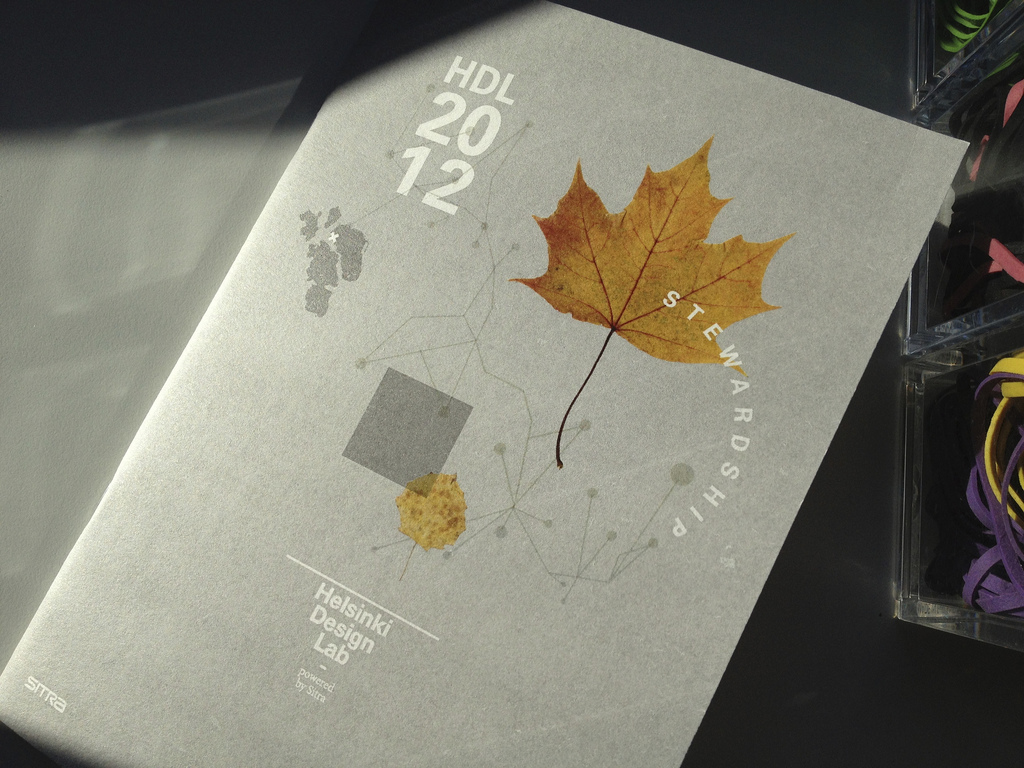
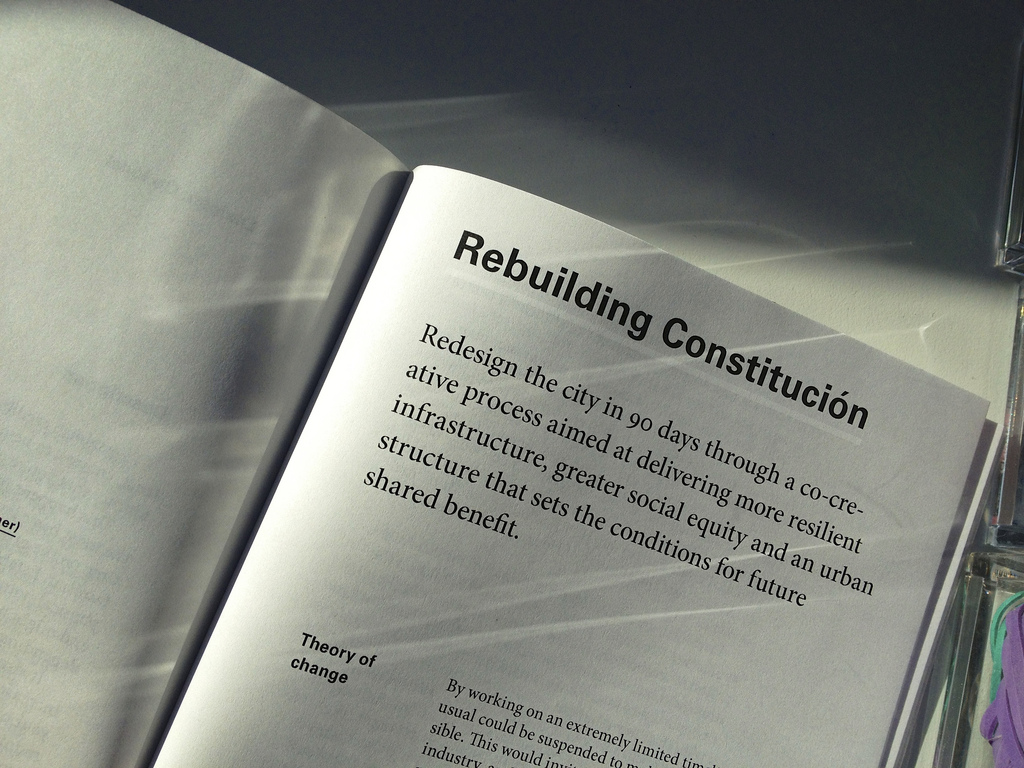
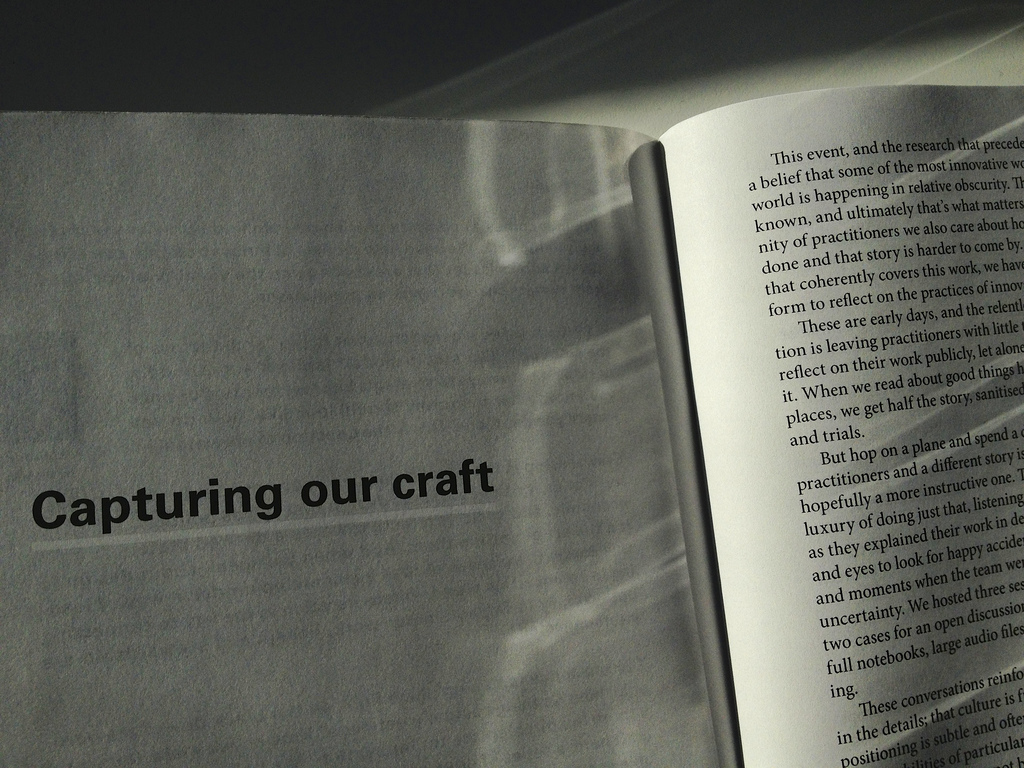
Last week, representatives from those six groups joined us in Helsinki, along with a few other invited guests, to review the cases as we'd described them, and spend a day in shared conversation digging deeper on the topics that emerged.
The wider group included representatives from Bengler (Norway), Cisco/LSE (UK), Community Solutions (USA), Elemental (Chile), Evergreen (Canada), City of Helsinki's social services department, IDEO (USA), Innovation Unit (UK), Mindlab (Denmark), Ministry of Trade and The Economy, Finnish national government, Nesta (UK), Sitra (Finland), Social Science Research Centre Berlin, and Tironi Asociados (Chile). (Government Digital Service couldn't make it as they were launching the gov.uk site, which is fair enough.)
Again, part of this is just bringing a network together. This kind of work is somewhat solitary—there simply aren't that many doing it yet, and although most people who know of it, or hear about it, can quickly see the potential within it, it's still a marginal affair, all told. Important projects; just not enough people doing them. So again with the therapy and empathy-building. But beyond that, we were after what is unique, or just plain useful and productive, about this culture? (And what is not?)
And in terms of that question, HDL Global 2012 had a particular slant. Where HDL Global 2010 had been a larger event, drawing out the network for perhaps the first time, this was a more focused affair. And where 2010 had followed the studios, and focused on the rapid prototyping of vision that was documented in the book "In Studio", HDL Global 2012 focused more on the next step—stewardship. As in, having located a vision, and strategy, just how do you make things happen?
So, this Autumn, an event in Helsinki.
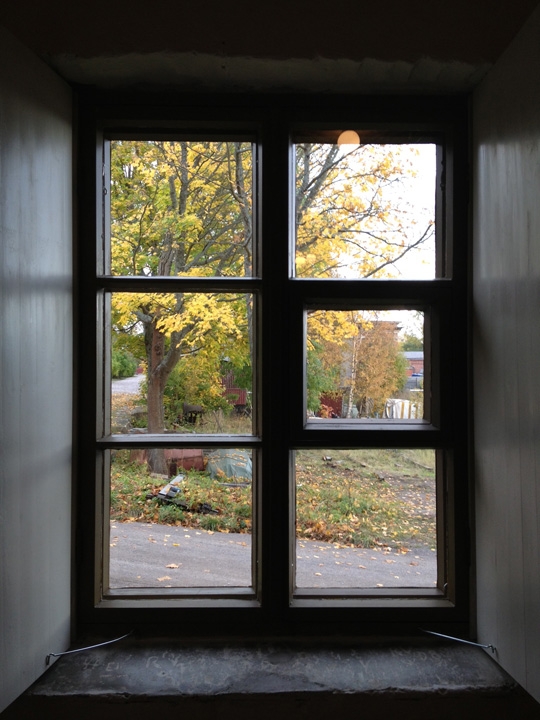
Here is Autumn.
Some details. We sent a small book containing the cases, and background, to the teams as they arrived, the afternoon before the event in most cases. We met for dinner that night. We like to start with a dinner, as it enables people to introduce themselves in a more social setting, and gently begin approaching the subject at-hand at a leisurely pace. You can then hit the ground running the following day. This is partly about getting the messy introductions out of the way, more carefully building relationships without the need for absurd "icebreaker" moments at the start of the event.
And partly because we just like to have dinner.
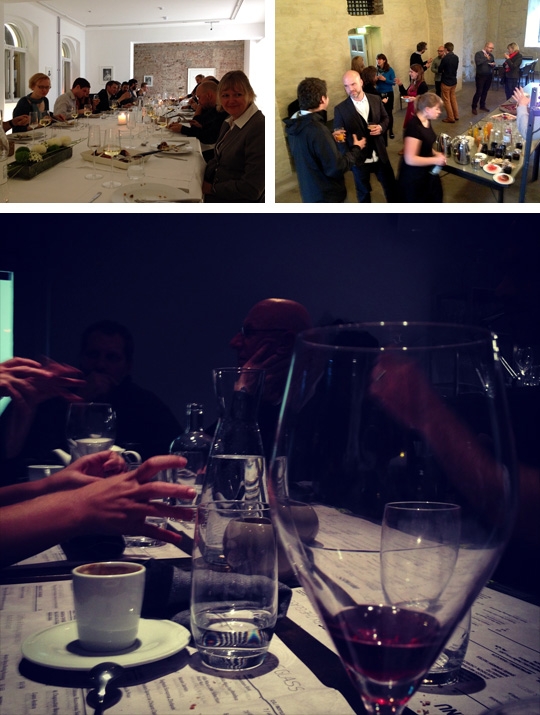
Food as a platform for discussion: before, during and after.
The following morning, we meet at Helsinki's famous Kauppatori (the market square at South Harbour) and take a boat ride to Suomenlinna, the old island sea-fortress that used to guard the city.
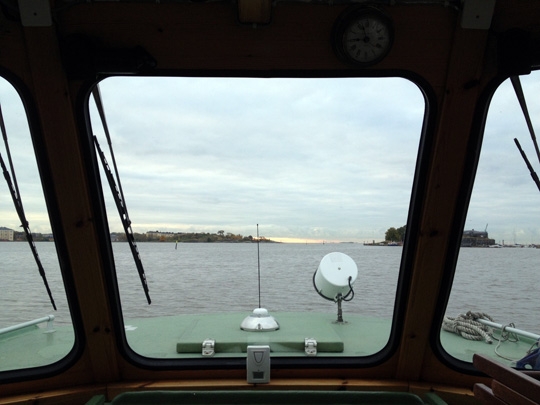
The 20-minute ride to Suomenlinna
Suomenlinna, needless to say, one of Helsinki's great assets and luckily the Autumn weather was just brisk enough to wake everyone up without chilling them to the bone. A delicate balance, round these parts. Our venue was an old warehouse—possibly an ammunition store, looking at how the deep windows were angled—which was an evocative space, and Bryan, Justin, Kalle and Maija did a great job in terms of ensuring the space and the catering were top-notch.
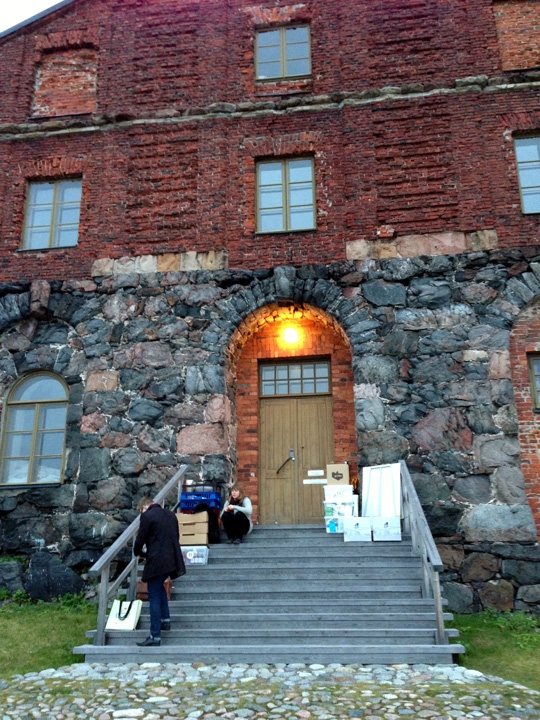
Setting up the venue before the guests arrive.
Our format was simple. Marco started the conversation with a scene-setting talk; Bryan, Justin and I then introduced the cases, and asked for clarifying comments from the participants, as well as reflections on where their projects have gone subsequently.
Then, with breaks, lunch and a walk, we had a group conversation.
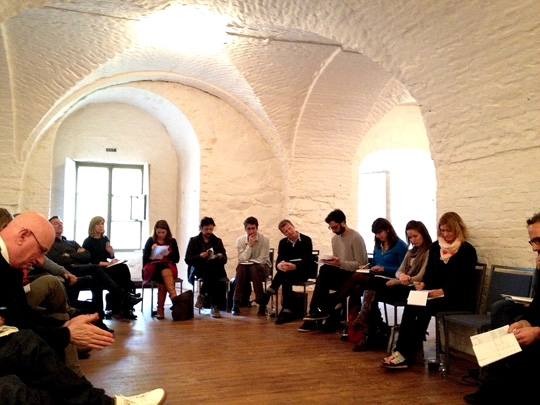
Before kick-off.
It occurs to us that we're very comfortable with the open-ended conversation. Those that know us well might say "overly comfortable". That may be the case, but I've had my fill of the alternative: overly-planned, clumsily-facilitated and tricksy workshop formats that leave little room for sudden inspiration or careful reflection, and head inexorably towards whiteboards covered in scribbles captured only in diligently Dropbox-bound photos, or their equivalent, flipchart sheets full of bullet-pointed lists that no-one owns, destined to remain rolled up under the facilitator's desk forever. Whereas the open conversation can be held over the course of a few hours, expanding to a group session in the room or contracting into smaller groups over lunch or coffee, and—given the nascent properties of the subject matter—provide ample room for the genuinely exploratory exchanges required.
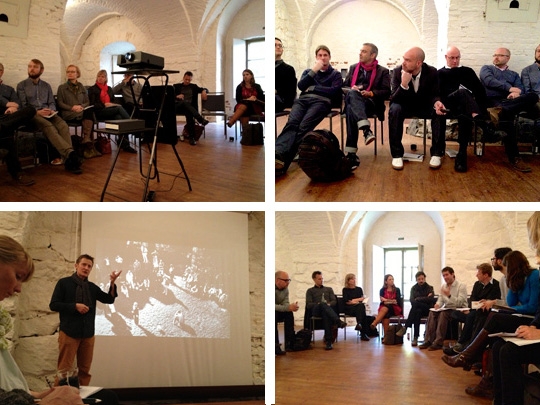
HDL2012, in session.
You might spot Marco operating a slide projector in the photos. This was one of our many subtle (and not so subtle) habit-breaking gestures. It's a basic thought, and perhaps hardly necessary with this particular group, but with the public sector, we often need to derive different outcomes from the same organisations. Given this, one thing we need to do is destabilise the everyday habits of organisational cultures, to shake peoples' defaults, remove the subsconscious inhibitors of change without destroying culture completely. And if a core theme of all of our work is around developing an "institutional sense of empathy", then we need to heighten awareness of the qualities of things, not simply the easily measurable quantitative aspects that bureaucracy all too readily gravitates towards. In practice, this means assessing the symbolic messages contained in active choices about formats, food, location, rhythms, spaces, and so on. It's why we choose a disused warehouse on an island rather than a conference centre or hotel; it's why we had dinner the night before at Helsinki Contemporary Gallery rather than a restaurant; it's why we pay particular attention to our printed matter; and it's why Marco was operating a slide projector.
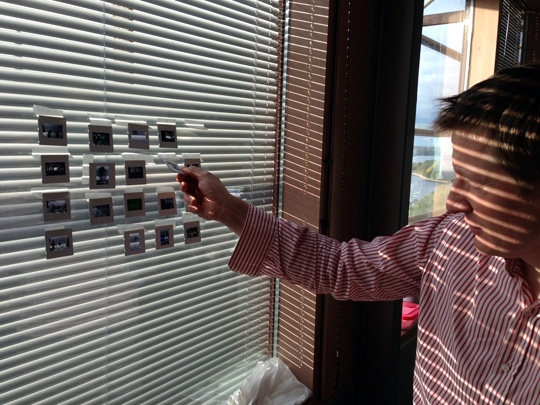
Marco selects his slides before the event.
For most in the HDL2012 group, this was hardly necessary, as they spend most of their days delivering real change in richly messy public contexts, after all. Either way, the conversation flowed readily. Reflecting on it a few days later, it is somewhat extraordinary that we can find very similar approaches to stewardship in projects as diverse as the emergency reconstruction of a Chilean city demolished by earthquake and the redesign of a government web service. But we did, and in the space between all the projects we could see strong connective tissue being constructed across and within the group.
As the light began to draw in, a boat turned up at our dock at Suomenlinna, and it was back to the mainland for dinner, and then flights home.
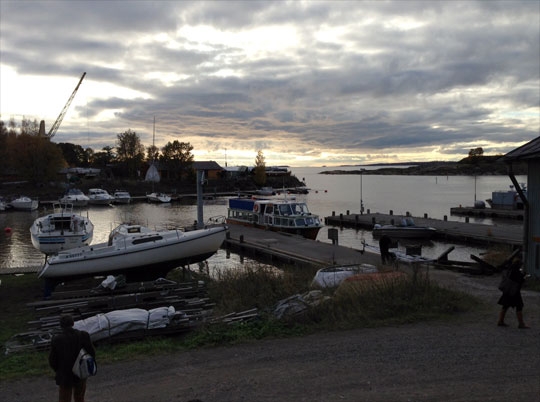
The last few heading for the boat home.
So that was HDL2012. We have "proper" photos to follow, but more importantly, a sense of where our distillation and documentation might go next. For now, our notebooks, and heads, are full, and while we reflect on the key messages while they're relatively fresh, we would like to extend our immense thanks to all the participants in both the summer sessions and last week's event.
(In other news, applications for our Open Kitchen project closed this week and, having had a quick glance over Kalle's shoulder as they've come in, we're pleased with a good set of diverse applicants. More to follow there too. Ditto Brickstarter and Design Exchange.)
And another two-for-one, which illustrates a) that we're busy, which is good, and b) that for many of us, holidays are approaching rapidly, like a broad sweep of clear blue sky appearing on the horizon, which is also good.
Summer is here, by the way.
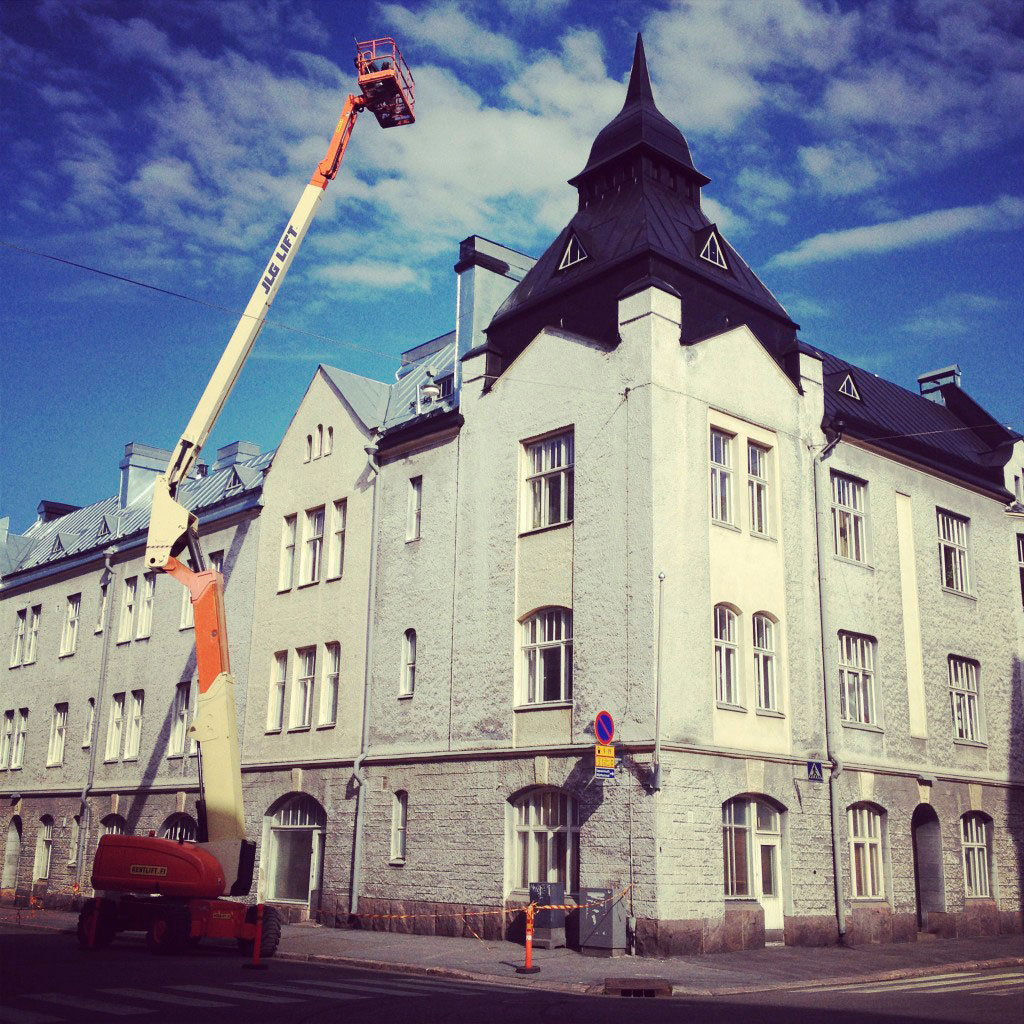
On the way to päiväkoti.
After giving a talk at the European Centre for Living Technology in Venice, Bryan then took the opportunity of being in Italy for a quick well-earned break featuring la dolce vita, I believe. ECLT seem to be doing some really interesting work regarding "economically viable"/sustainable mountain communities in Italy—definitely worth a look, according to Bryan. Meanwhile, Marco and Justin have been knee-deep in Low2No as usual, partly working on this aspect, amongst other things. And Maija Oksanen has joined us too, as a summer intern. With Kalle, we now have a fuller team, and thankfully some more native Finnish speakers. That is already helping us hugely, though Maija and Kalle bring a lot more than just their exemplary language skills.
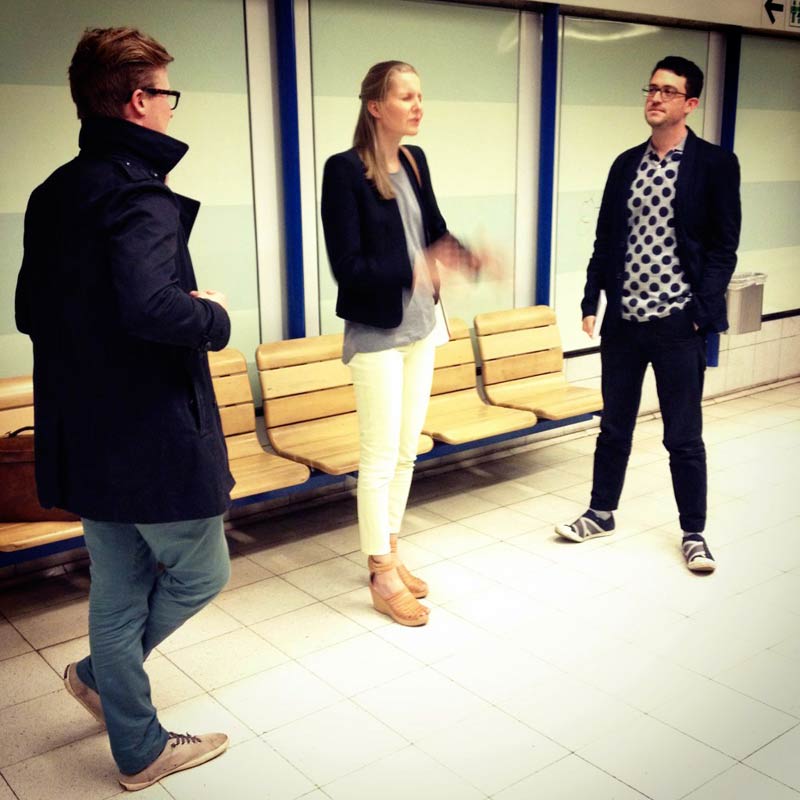
Part of team SDU, now featuring interns.
In the last few weeks I've been to Milan, London, and Amsterdam. Oh and I had to unfortunately cancel a trip to Moscow, which is probably just as well given that diary. (But still, Russian visa timelines! Why, in this day and age, is it still so difficult for non-Russians to do business in Russia? Legacy dark matter.) I'm sorry not to have made it to Moscow, but these trips are always a whirl of talks, lectures, meetings, logistics, and brief, stolen moments of peace and reflection amidst the bustle of these fine, old cities.
The Russia trip was to be a talk at Strelka Institute, which I'm hoping to be able to do later in the (northern) summer. Strelka are one of the more interesting design schools in Europe at the moment. They also happen to have recently released the essay I wrote about six months ago (Bryan referred to it last time): "Trojan Horses & Dark Matter: A Strategic Design Vocabulary."
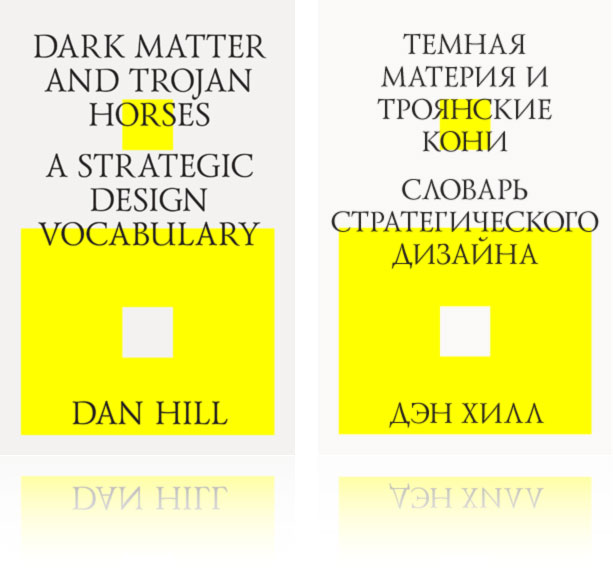
This is part of the new Strelka Press series, curated by Justin McGuirk, which features other essays by the likes of Owen Hatherley, Sam Jacob, Keller Easterling, Julia Lovell and Alexandra Lange, as well as Justin himself. It's an interesting approach, exploring the e-book format for essay-length writing, and priced at a level that makes it accessible to a wide audience.
My essay covers a lot of the terms, and background conversations and thinking, that underpin some of the things we've been writing about — and more importantly, trying to get done. It's intended to be a kind of primer, or "playbook", which presents the idea of a vocabulary - as a way of starting and developing conversations in this new area. With that in mind, please do let me/us know what you think.
The other trips were to the Politecnico di Milano's architecture summer school for a talk, but with a short hop over to Frog Design Milano to discuss strategic design with them. Also, Joseph Grima of Domus magazine, to talk Istanbul Design Biennale amongst other things.
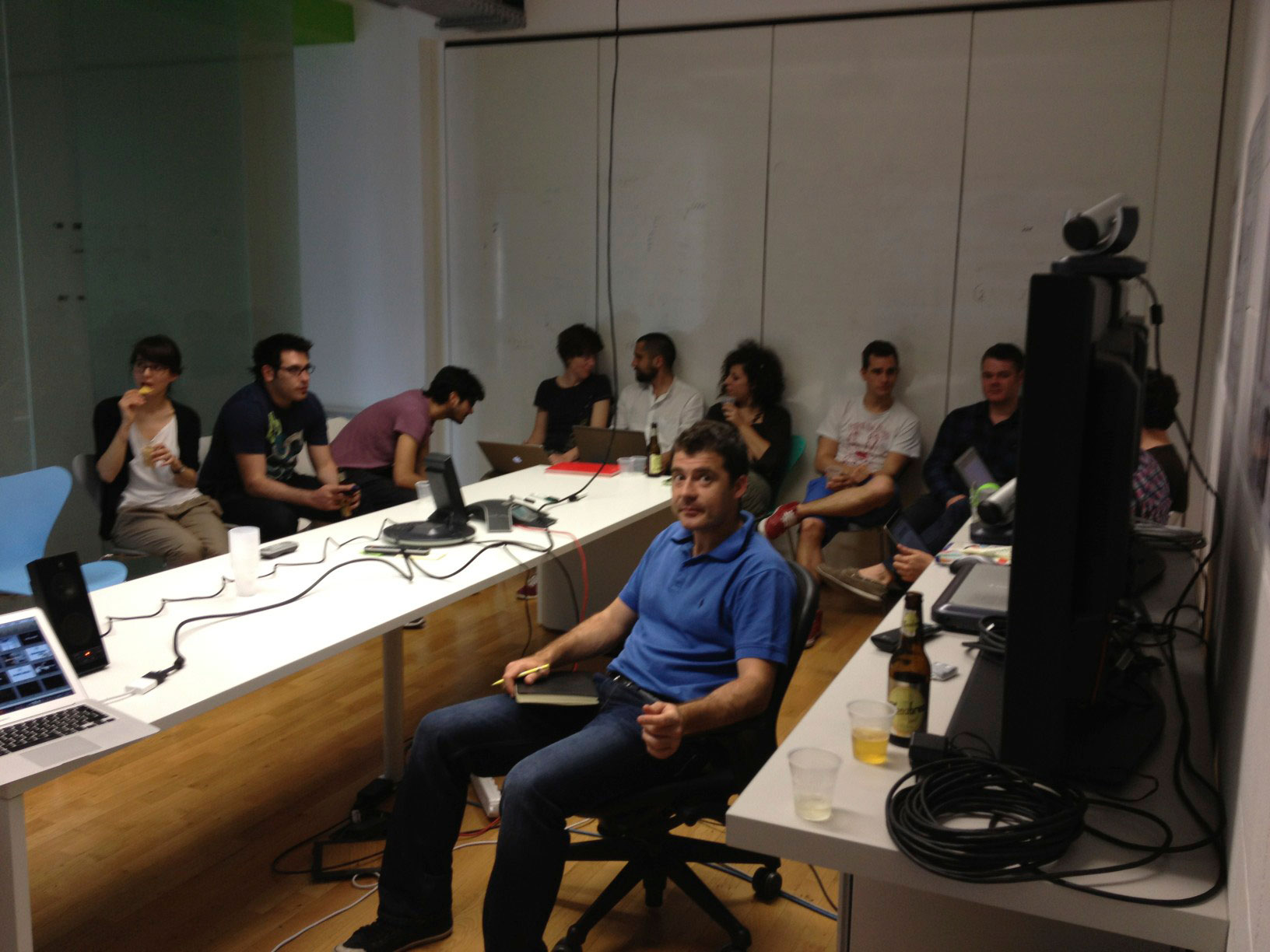
Milano Frogs, about to get a talking to.
London was more of a meeting-based trip, featuring a catch-up with the indefatigable Tom Loosemore, an old colleague from BBC days, who is now doing great things at Government Digital Services, which is part of the UK Cabinet Office (we mentioned their design principles previously). They, too, are going well beyond "this is just a website" work. Also, a useful catch-up with Philip Colligan and Laura Bunt at our sister organisation NESTA RE Helsinki Design Lab 2012, and a good chat with Laura afterwards. Plus a meeting with Gill Ereaut of Linguistic Landscapes, who do fascinating work working with organisations (often public sector) to understand and unpick their habitual behaviours through the prism of their everyday working language.
I also met up with Ricky Burdett of the London School of Economics 'Cities' programme. Burdett is a hugely influential figure in the field of urbanism and cities generally, so it was a pleasure and privilege to meet him. It looks like we'll be working together on a new LSE Cities conference in London at the end of the year, where I'll be talking Brickstarter and beyond, hopefully, in the context of "smart" and "not so smart" cities.
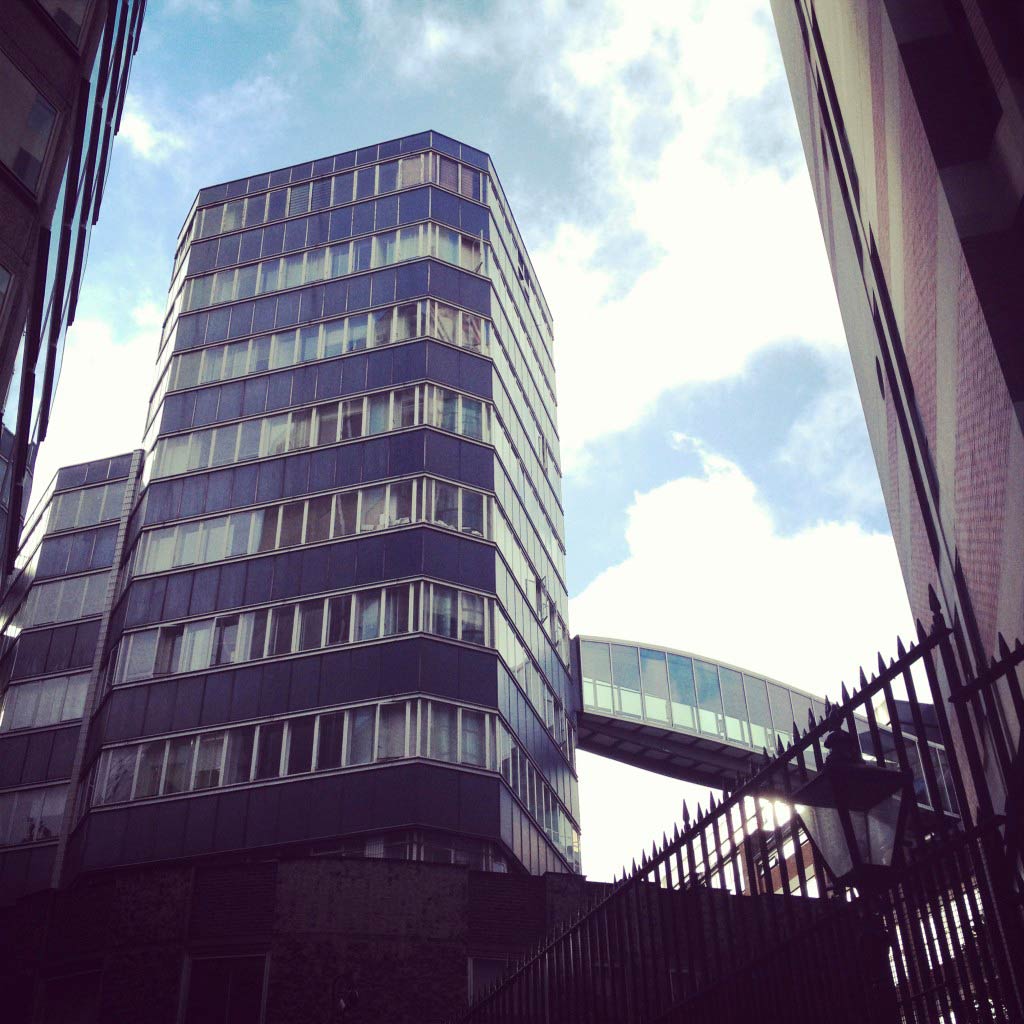
Visiting the London School of Economics
Ricky and I are also on the advisory board - with Sir Peter Hall and Saskia Sassen - for a new Young Foundation project called "The Social Life of Cities", in association with Cisco. We had a first meeting of that last week, for which I had to endure a visit to a terrible business park in Espoo. The irony of being there - virtually alone, surrounded by concrete flyovers and lazy, ugly, damaging buildings - and yet talking about "the social life of cities" was not lost on me. Perhaps it's useful research just to be there! Still, the project could be very valuable and we got off to a good start with an engaging discussion.
Back in London, I spent a long but enjoyable day at BERG London, judging the Core77 Interaction Design awards, with Bonnier's Sara Öhrvall, BBC's Julia Whitney and BERG principals Matt Jones, Jack Schulze and Matt Webb. Results out in July.
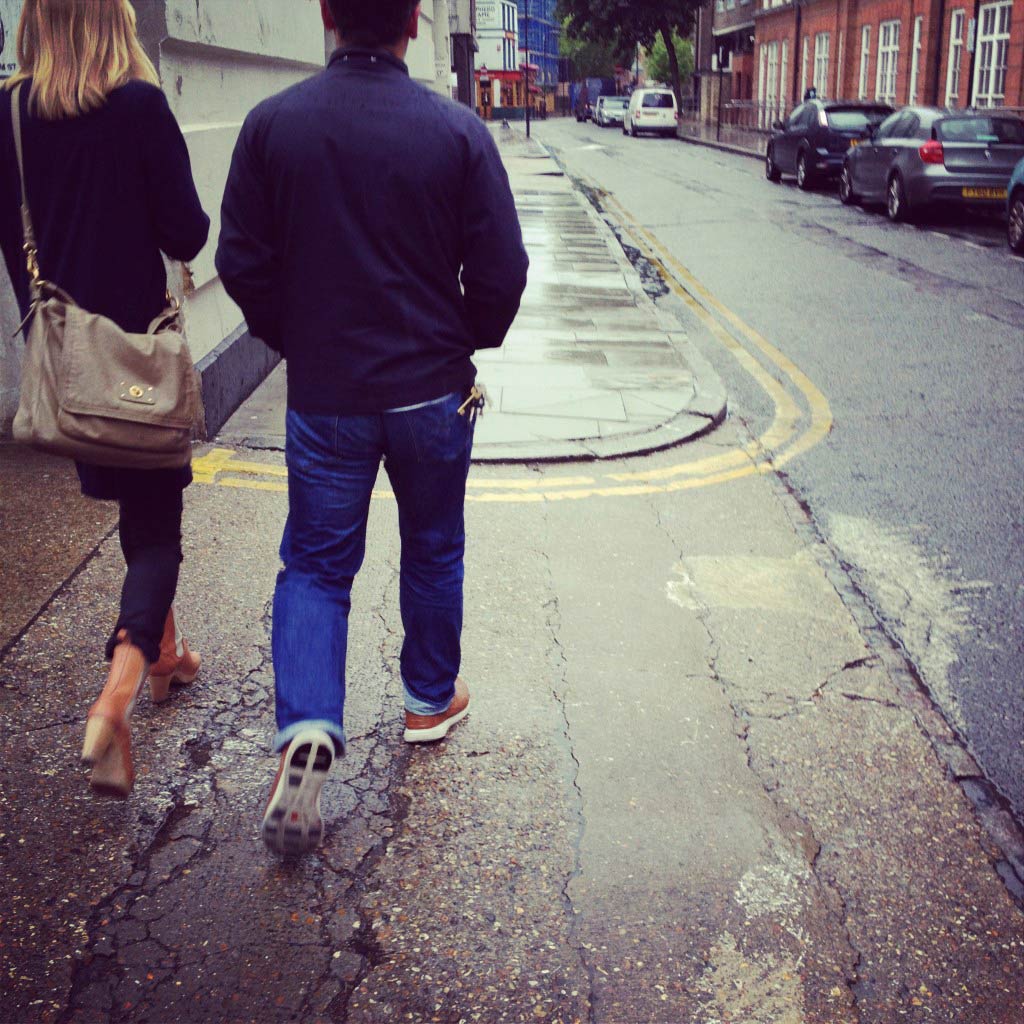
Sara Öhrvall & Matt Jones, breaking for lunch.
While at BERG's studio, Sara and I were addressed by a certain Little Printer.
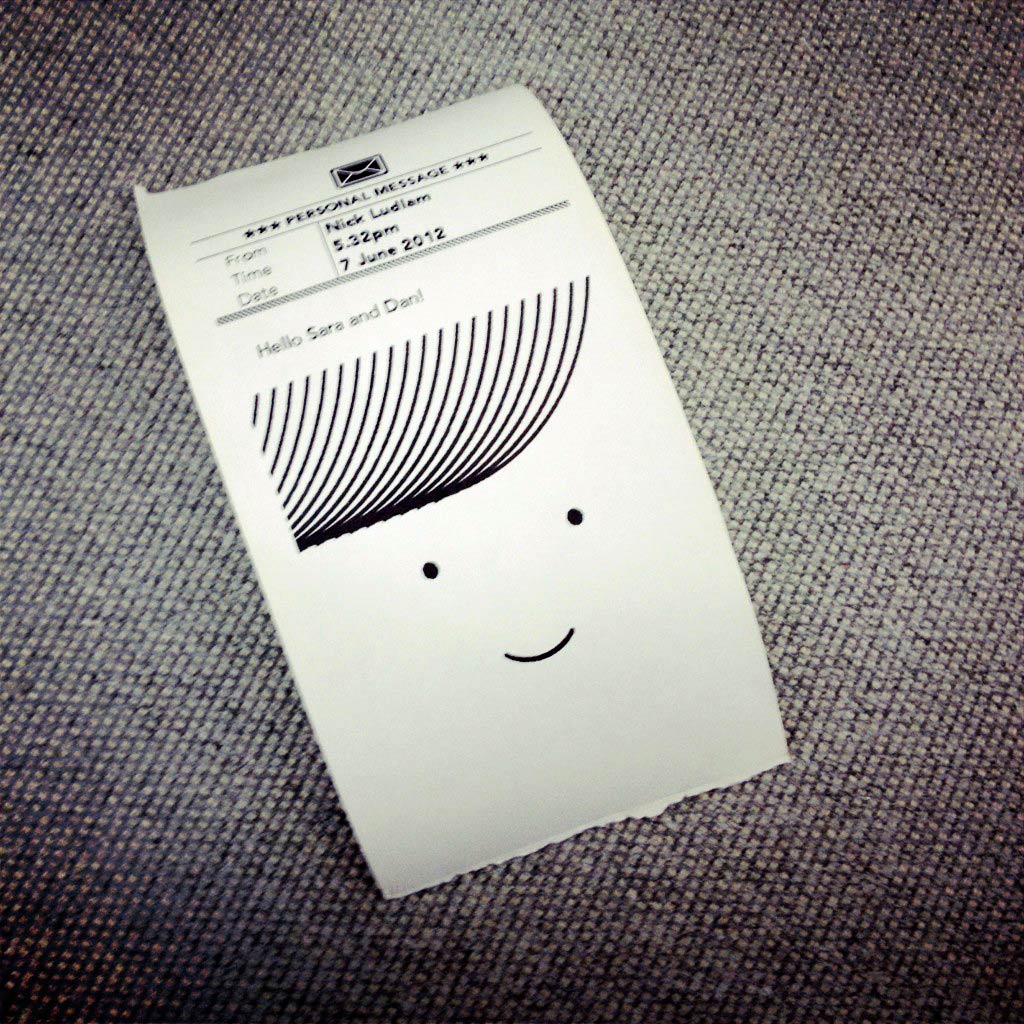
Little Printer's little print-out.
Finally, Amsterdam was a speech at the start of the 'kennisdag' (knowledge day) for the 500 staff of the City of Amsterdam's "spatial sector" (architects, planners, engineers, real estate etc.) The City had lined up a very impressive day of workshops for their staff, all held at the wonderful Felix Meritus building on beautiful Keizergracht. It was great to see a city government actively working at shared thinking and discussion, particularly given the challenges all city governments are beginning to face (and so the Brickstarter work was again germane to their thinking.)
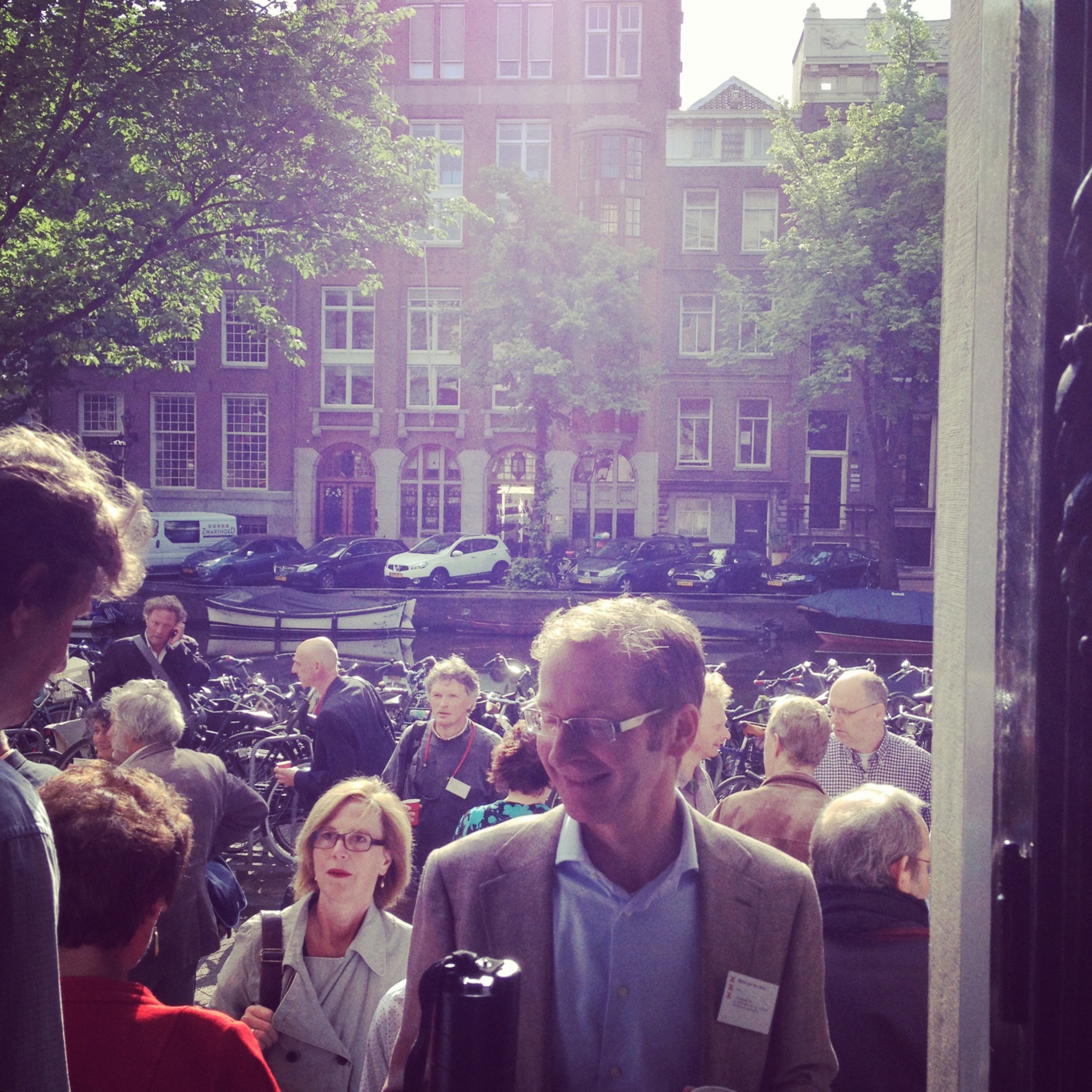
City of Amsterdam folk, arriving for the "kennisdag".
For Brickstarter, we brought energy policy expert Robert Brückmann (of Eclarion) over from Berlin, to talk to Sitra and a few other representatives from relevant sectors in Finland. We had a great discussion about Germany's energiewunder - also discussed previously here. Again, we are hugely inspirted by what Germany have done here. This follows previous Brickstarter talks from Marcus Westbury and Rodrigo Araya, and more to follow after the summer break.
We'll have some major updates on Brickstarter.org shortly. I've been handling the stewarding of a clickable prototype "conversation starter", and that will soon be up. Maija has been plugging away researching 'adjacent' services. Expect to see lots of little 'fact card'-like blog posts up there soon. Kalle has also been developing some similar 'fact cards' around food scenes in cities - focusing on the legislative environment (dark matter), rather than cuisine as such - for use in our food-related projects. (Just after that, Kalle, who is a barista, headed off to Vienna for the World Cup Tasters Championships, where he placed ninth. Amazing. Well done Kalle!)
That food work is progressing rapidly now, in partnership with Antto Melasniemi & Elina Forss, as well as the City of Helsinki (Ville Relander) and will soon be appearing on its own project blog.
We'll also give you an update regarding our Design Exchange project shortly, which has been progressing nicely in Lahti, as well as our renovations and reworkings of the Sitra tower.
Meanwhile, it seems that every other week we're discussing what we do with representatives of various pioneering Canadian social innovation organisations and foundations - they seem like they are on the brink of becoming the most fertile place for that kind of work, interestingly. A couple of weeks ago, Bryan had a chat with Lisa Tjorman, of the aforementioned excellent Labs report, and last week, we were happy to discuss our work with Allyson Hewitt, also of Social Innovation Generation in Toronto. Watch that space, is all I'll say for now, but they're heading somewhere very interesting over there …
And finally, as they say at the end of British news broadcasts, we're spending a lot of time on internal culture, and particularly the notion of "ideas", "projects" and the relationship between those things. Which, of course, is not always self-evident, or simple.
With that in mind, Bryan forwarded on this post from Adam Mathes, formerly a product manager at Google, about his practice:
My conclusion after a few years is that the best product management is about providing the vision of what to build and why and then creating the context where great things can be made. That context usually involves the right people, space, time, and patience...
But for truly innovative and creative products, project management may not matter as much. If you are making something new and creative and different, it’s hard to know exactly how to make it. You may be building the tools and technology you need because they don’t exist yet. And may be impossible to properly estimate how long it will all take.
More on Adam's blog.
And finally and finally, we spied our "In Studio" book on John Thackara's bookshelf in the lovely "virtual tour" of his workspace recently posted. It's apparently creeping its way towards him, day by day. As it should you.
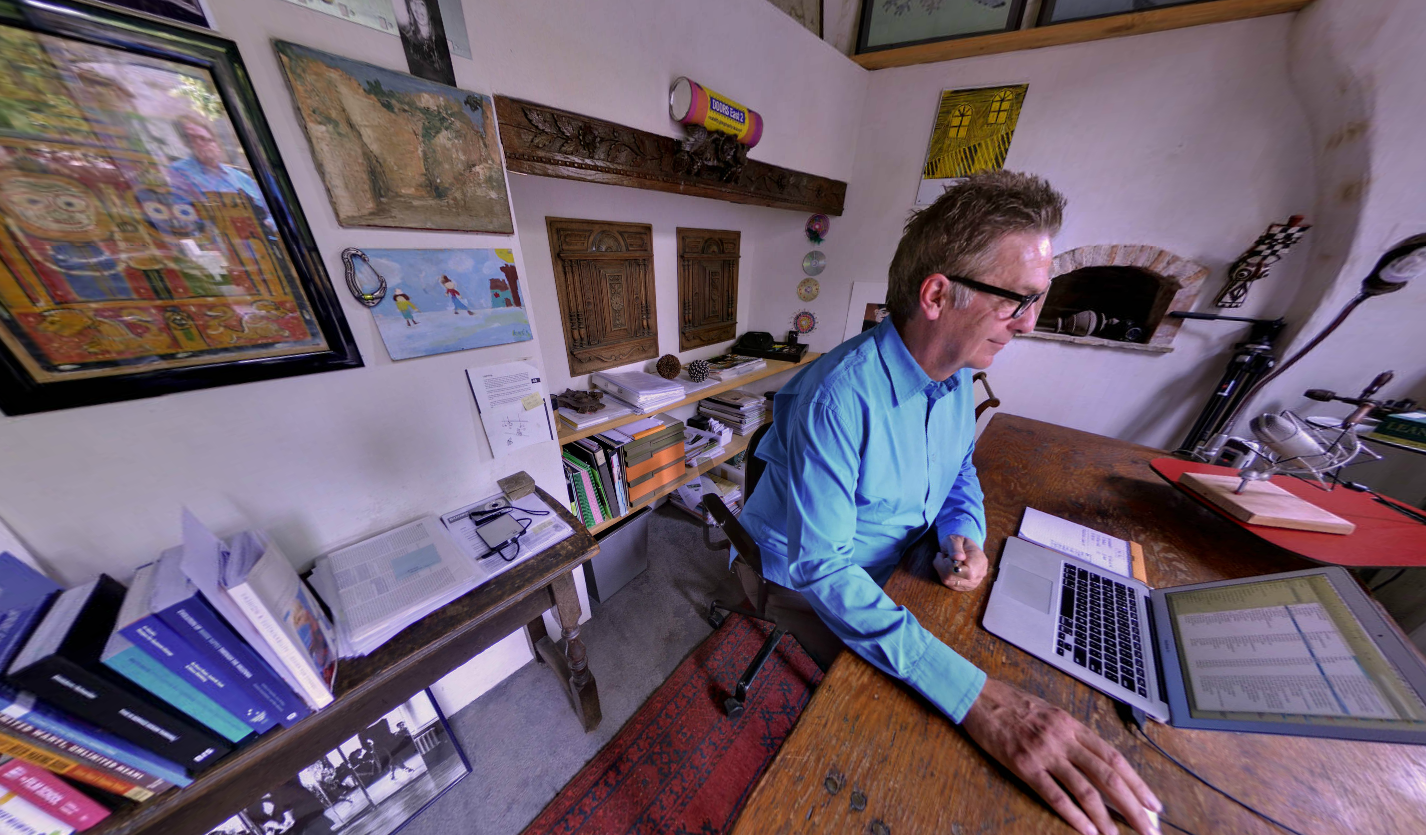
Hello, it's me again, and so predictably this is a few days late.
Before I run through last week's events, I thought I'd share this. Bryan tweeted a Dezeen article about the new Shard tower in London—an interview with the lead architect, Renzo Piano—noting in particular the usefully low car parking provision. There are 87 floors in The Shard, 72 of which are habitable, and it has 47 parking spaces, essentially to cover the requirements of disabled people, according to Piano.
Having worked on a few so-called sustainable developments in my time (admittedly mostly in car-dominated Australian cities) this is extraordinarily impressive. Piano also notes that the direction here came from Mayor Ken Livingstone, which is also impressive—politicians driving that number down is rare; usually they're in a defensive mode, worried about their constituents (often underestimating their constituents' own ability to change, actually) and pushing back against the design teams.
Here in Helsinki, every day we look out onto Jätkäsaari, which is one of the city's strategic sites for sustainable development. A typical block there will be designed to have around 7 floors and have to make space for approximately 120 parking spaces. Both cities are well-served by public transport (in fact, Helsinki has previously been voted as having the best public transport in Europe) and Helsinki being a compact city, you could walk to most bits of central Helsinki from Jätkäsaari. This quite different parking ratio here is also directed by the city council, of course.
This disparity seemed so ludicrous I had to draw it. First, the two developments: The Shard at 87 floors, and 47 parking spaces; a new "sustainable" development in Helsinki's Jätkäsaari has 7 floors, and 120 parking spaces:
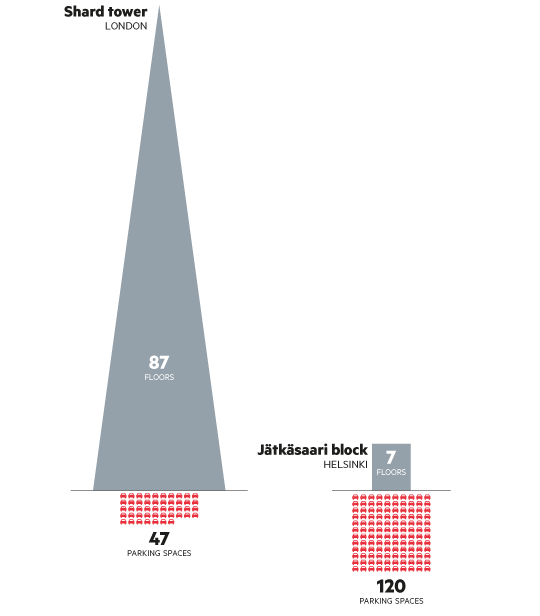
Parking spaces for The Shard tower, London versus parking spaces for Jätkäsaari sustainable development, Helsinki.
To put it another way, the ratio for The Shard is around 0.5 parking spaces per floor, whereas Jätkäsaari's ratio is around 17 spaces per floor. What if you applied the ratio for The Shard to Jätkäsaari and vice versa?
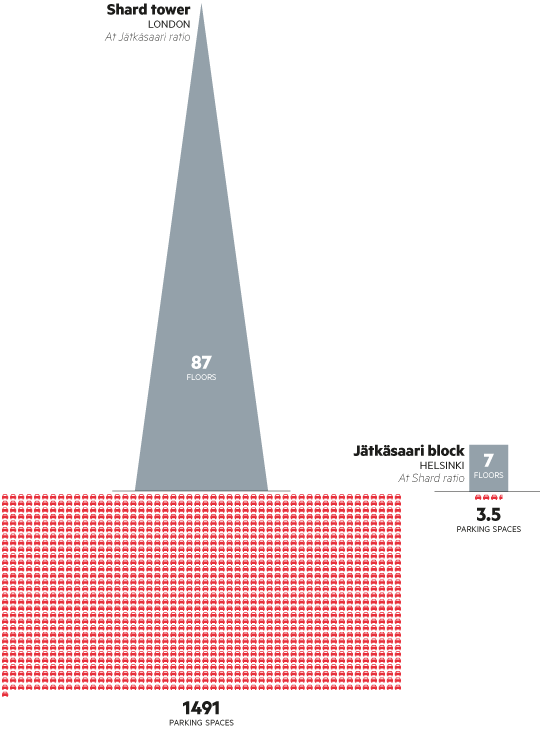
Parking ratio for Jätkäsaari block applied to Shard tower, and vice versa
Thought for the day.
Anyway, last week's thoughts had a big public holiday-shaped hole in them on Thursday, but the rest of the week was full of life.
I was knee-deep in designing Brickstarter mock-ups—more on that soon, but some old sketches are now up at brickstarter.org—and working with the Sitra management team on our new working patterns, workspaces and so on. Kalle was researching street food legislation in global cities, roaming (via the web) from Portland to Stockholm.
Meetings-wise, I had time for a poor cup of coffee but a good chat with Melinda Sipos, a Hungarian designer/artist whose provenance includes the seemingly excellent Kitchen Budapest. I met up with web developer Ville Kolehmaimen from Fusion Inc, had lunch with our own Pekka Salmi to discuss what we (Sitra) might research around crowdfunding legislation in Finland, and Kali Auvinen and I had a fascinating Brickstarter-related conversation RE NIMBYism and sustainable development with the chairman of the Finnish wind power association.
Meanwhile, Bryan was in the USA for an equally full week, culminating with a panel at the inspiring Studio-X NYC (run by our chums Geoff Manaugh and Nicola Twilley) which centred around the future of design practice in a plural, political world. He also was part of a panel at WantedDesign about the possibility of entrepreneurial design to sketch out new cultural possibilities, including +Pool, Brickstarter, and games that reveal the richness of the spectrum of possible social interactions. In between he was meeting and on the phone to line things up for HDL 2012.
Working across the Helsinki-Boston axis, Marco and Justin were embroiled in the usual intense stewardship required by our Low2No project.
Meanwhile, back in Helsinki, by the end of the week we were privileged to have Marcus Westbury of Renew Newcastle/Renew Newcastle fame in town. Marcus is an old colleague and friend from Australia, and we took advantage of him visiting London to bring him across to Helsinki for a couple of talks, as part of our Brickstarter research (for more on Marcus's work in this context, read the notes from this discussion we had a few months back, or this old post on "emergent urbanism" from my blog a few years ago.)
As those notes describe the general area I won't go into the ideas again here, suffice to say Marcus did a great talk for Sitra colleagues over lunch ...
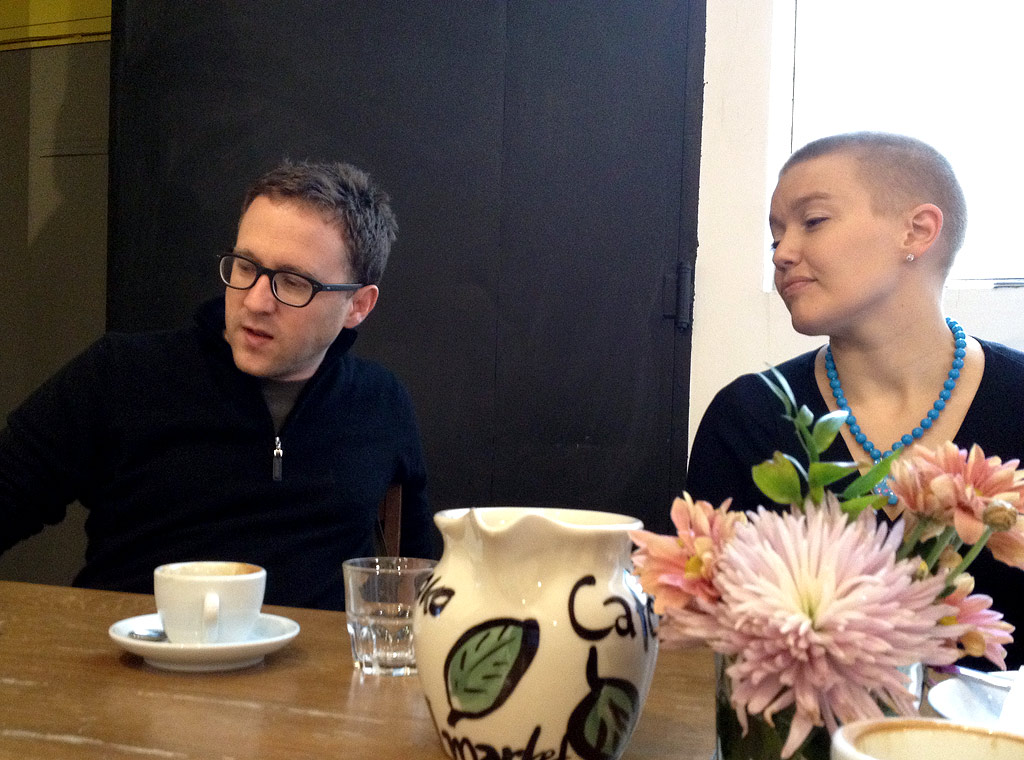
Marcus and Karo

Kalle asks a question while Kalle looks on
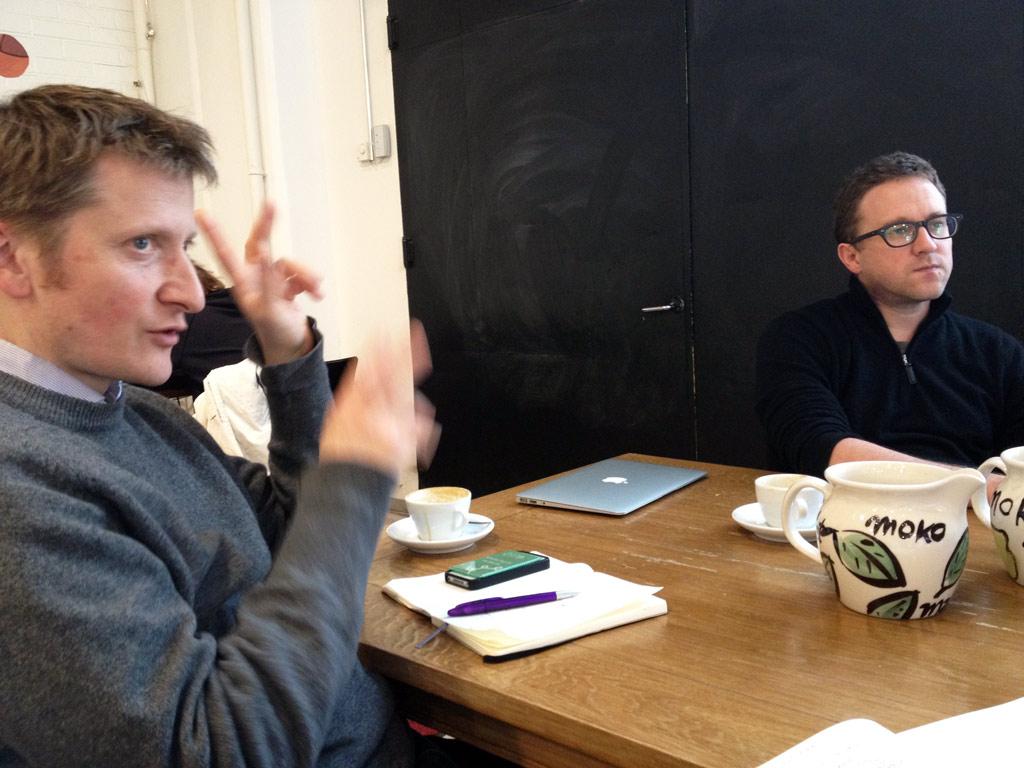
Marco reveals his Italian heritage
... And then Marcus repeated the feat for a public audience at a Demos Helsinki-curated "City 2.0" event at the World Design Capital Pavilion on Friday night.
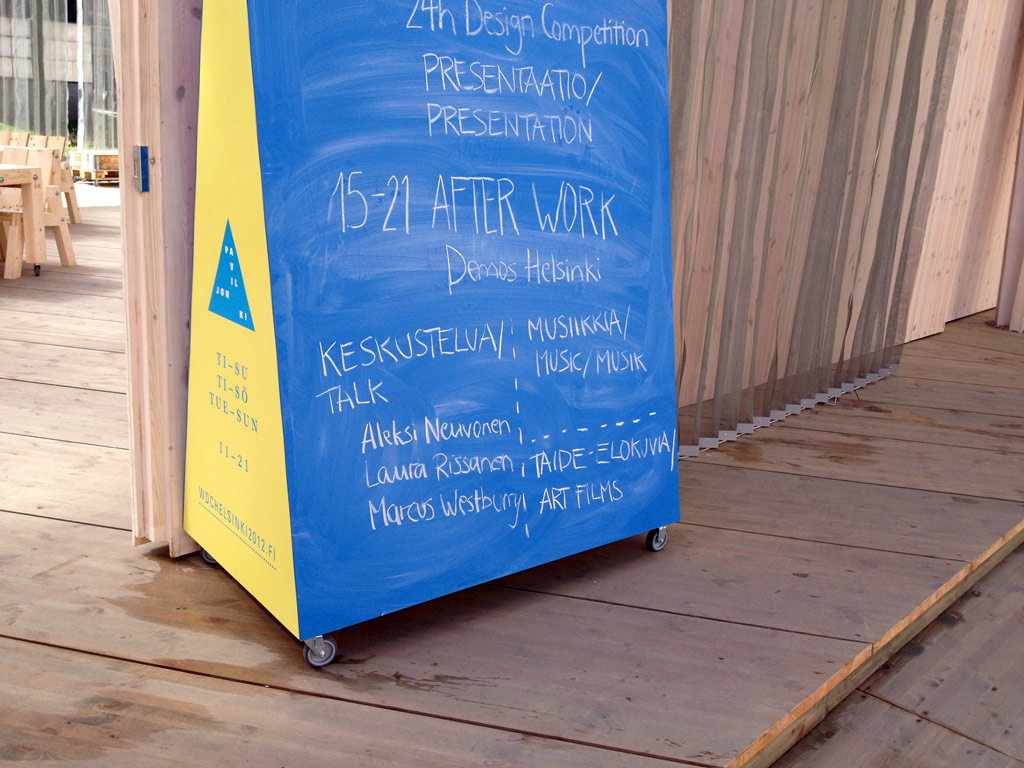
Although it was so chilly that the pavilion felt like a wooden memorial to optimism, we had a good crowd of 40 to 50 or so (thanks!) and a good discussion after too.
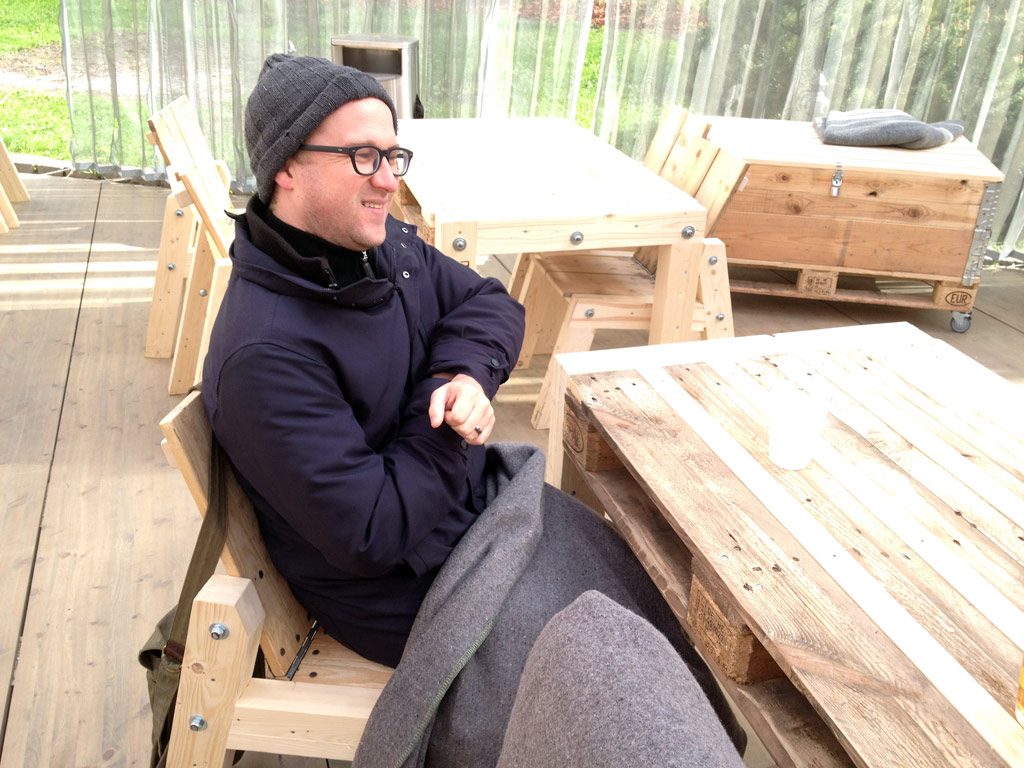
An Australian suffering the Helsinki spring.
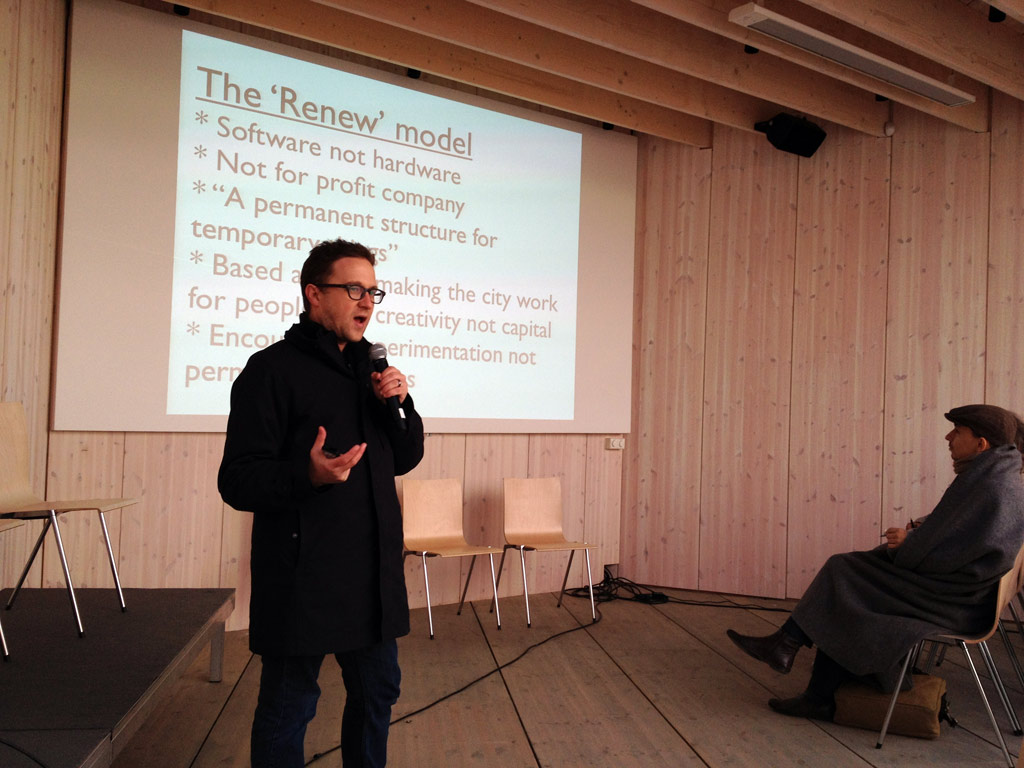
Marcus Westbury
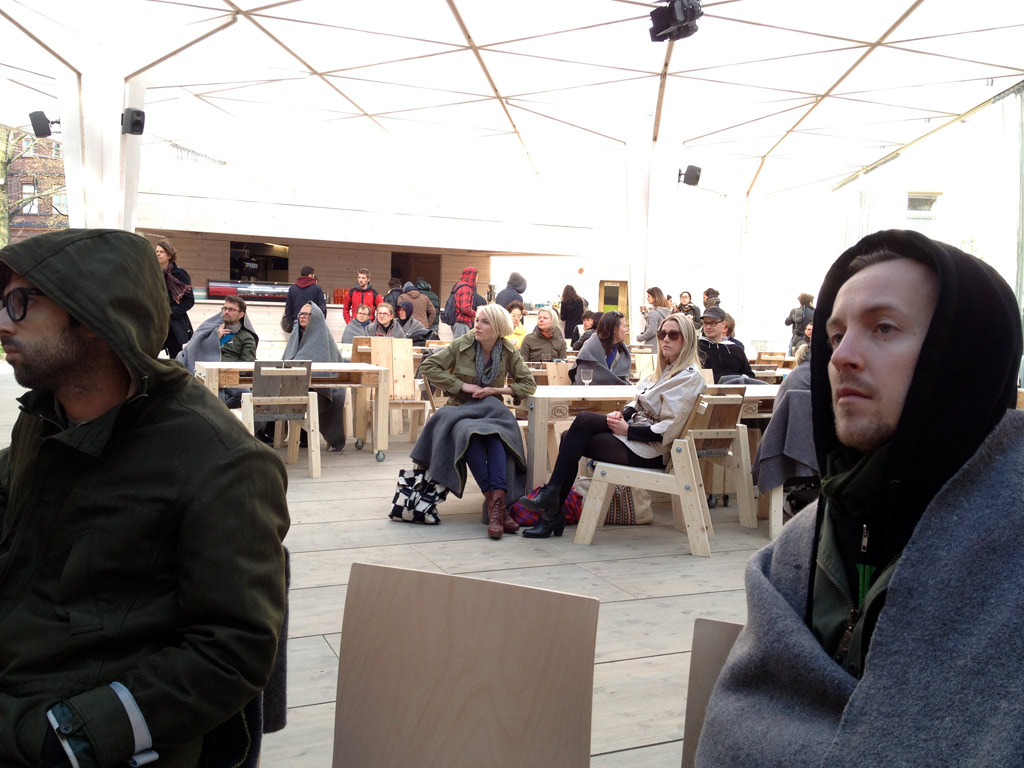
Finns suffering the Helsinki spring.
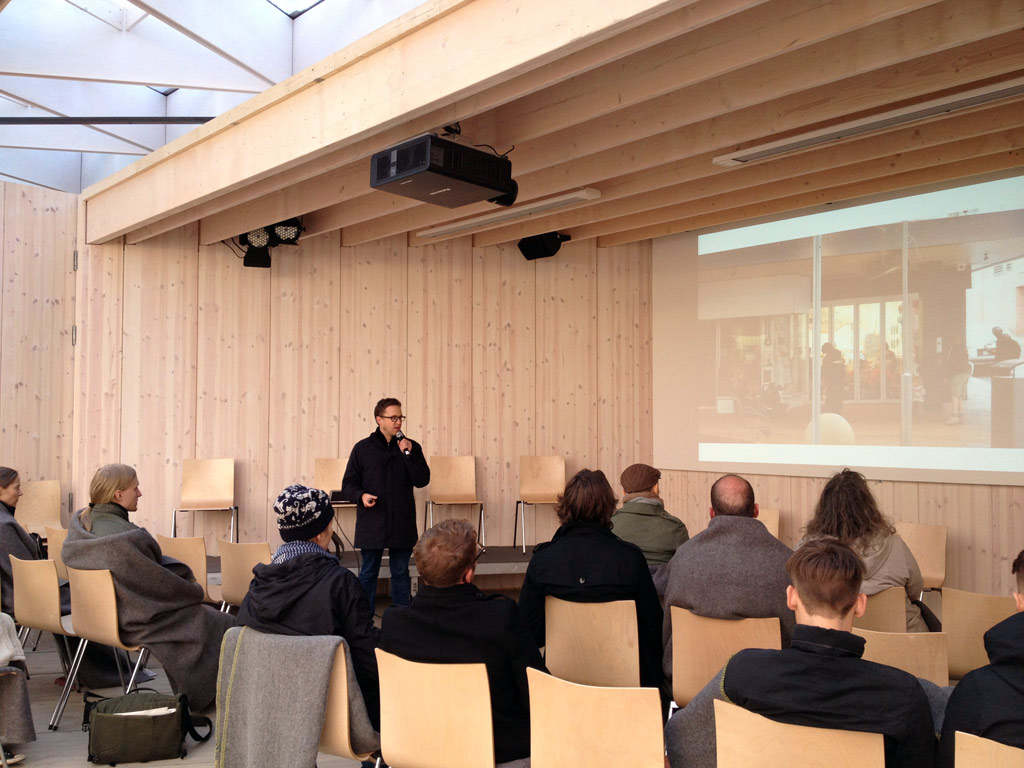
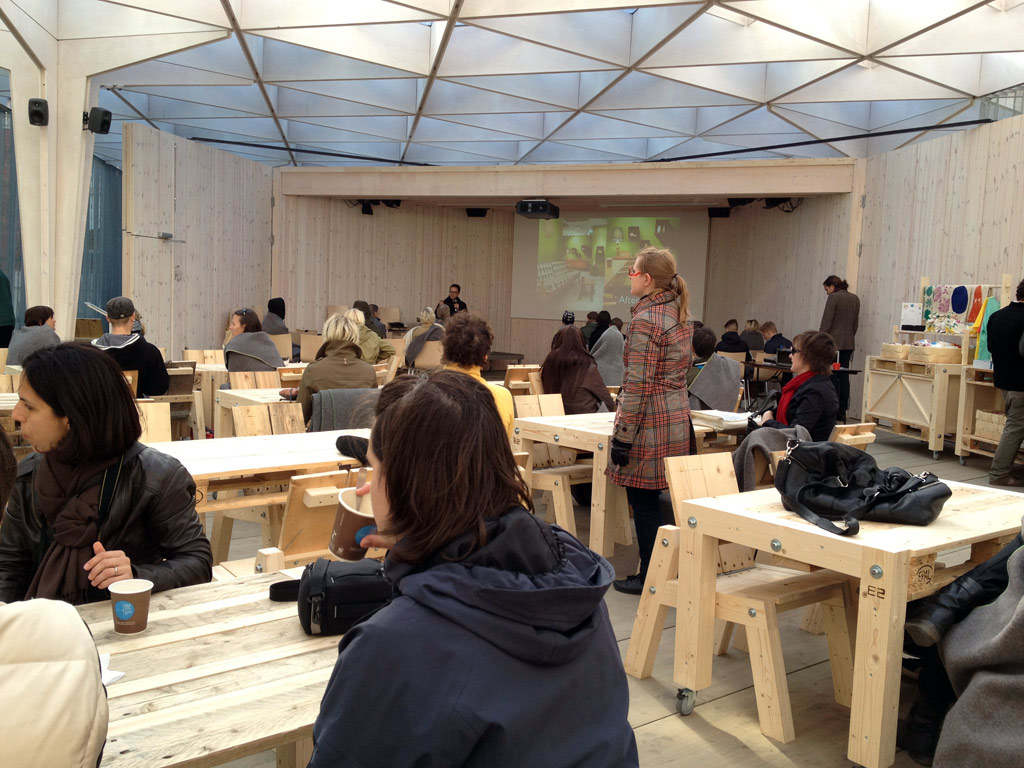
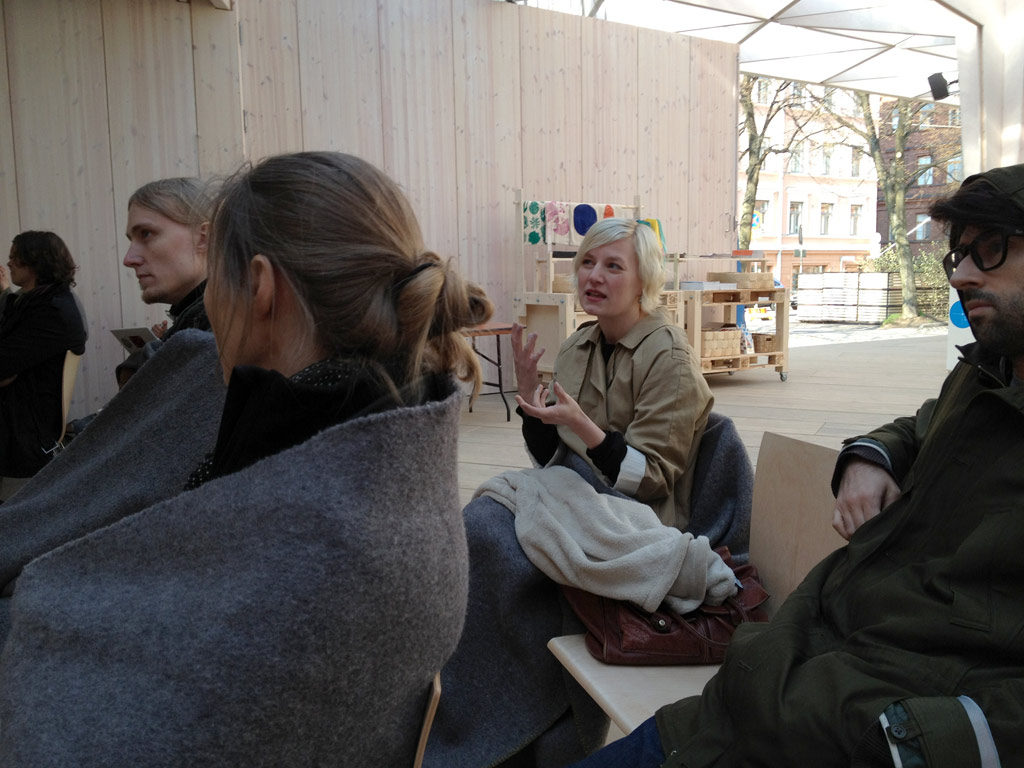
Marcus's talk generated a good Q+A, including discussion of similar projects here in Helsinki.
Thanks to Marcus for coming over, and sharing his numerous insights, and thanks also to Tommi and the Demos crew.
Fortuitously, the following Saturday was Ravintolapäivä, Helsinki's festival of pop-up restaurants, and so I was able to walk Marcus around that too. This was in no way a hardship—it was the city at its best—and easy on the stomach too. Ravintolapäivä demonstrates a different kind of urban activism to Renew, but they're derived from similar instincts: creating a framework for encouraging everyday experimentation within the city. Saturday also demonstrated to Marcus that spring in Helsinki can be warm.
I've written all that up over at City of Sound, so do have a read over there if you want to learn more about the wondrous event that is Ravintolapäivä aka Restaurant Day, and what it might mean for cities like Helsinki. While you're there, note the use of Kalle's coffee stall as a honey-pot for design research—more on that soon from Kalle.

Ravintolapäivä is wonderful. Here, gourmet Italian food on the street.
OK, latenote for last week. The highlight was perhaps a great conversation with various representatives of Canada's Social Innovation Generation partnership (SIG), who were in the neighbourhood (well, Stockholm) and were kind enough to swing by Helsinki for a chat.
They're doing really interesting work scoping out what they call the "change lab" model, preparing the ground in Canada. We were visited by Cheryl Rose (Associate Director of Waterloo Institute for Social Resilence and Director, Program Development for SIG), Tim Brodhead, (JW McConnel Family Foundation, SIG, MaRS Discovery District), and Sam Laban (Education Program Manager, SIG). We have lots of visitors to Sitra and HDL, and always enjoy and learn from the discussions and connections, but rarely has a group been so well-prepared and asked such perceptive and insightful questions.
I'm intrigued by Canada, having never been but idly marking it as a kind of mirror/inverse of Australia (vast, sparsely-populated, resource-rich, echoes of empire, Anglo in bits, fine cities, incredible landscape, great cities etc. etc.—and it is of course completely different, I'm sure). And we've been delighted to see the thinking emerging there—as noted previously, their summary of lab-like iniatives ("Labs: Designing the Future") is definitely worth a read—and so we're really pleased to open up this diaglogue. It looks like I'll be visiting Canada in return, this November, which I'll update you about nearer the time. Thanks to Cheryl, Tim and Sam for popping in.
Bryan had to rush off after lunch with the Canadians, heading over to Derry. After noting the preponderance of wind turbines in the Irish countryside ...
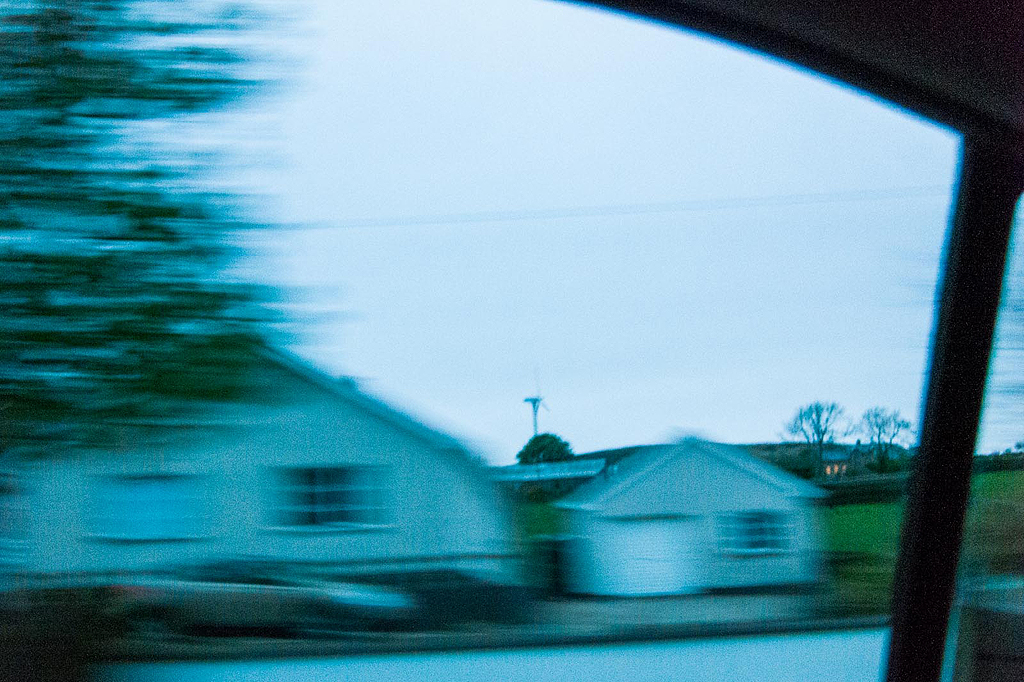
Turbines in the Irish countryside.
... he took part in the Academy of Urbanism's Annual Congress on The Resilient City, and he reports that It Was Good. The level of conversation was excellent, and the very particular context of Northern Ireland perhaps lent the affair a seriousness and motivation that is often lacking in similar events.
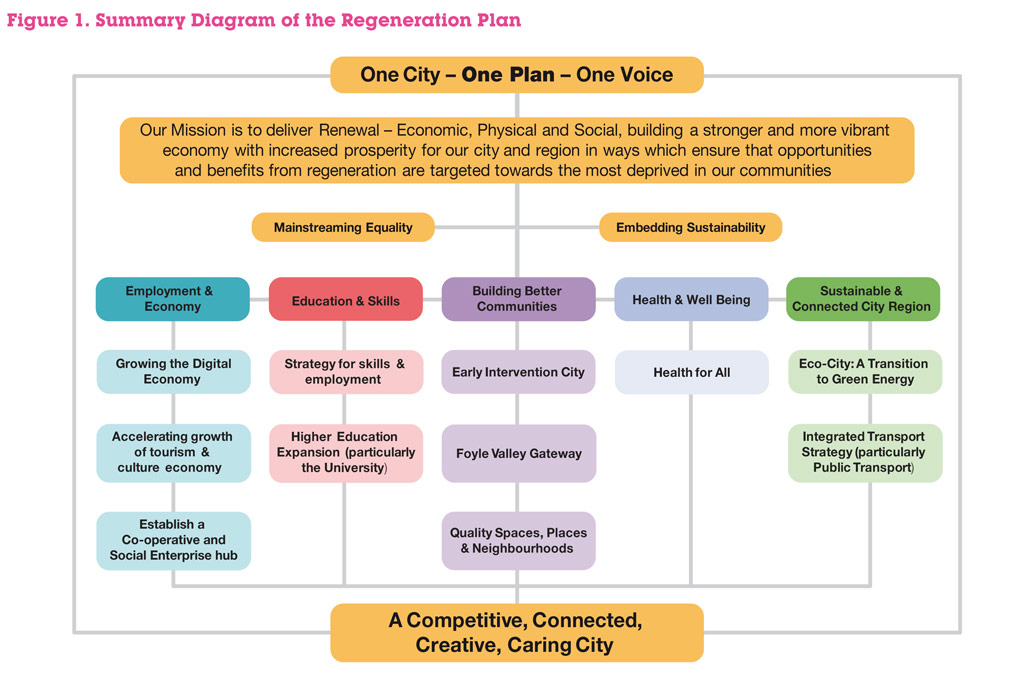
Bryan pointed me at one project—a comprehensive regeneration plan for Derry-Londonderry [read the full PDF or summary PDF]. It looks to have a good strategic edge, which foregrounds what I'd call the real drivers of cities (economy, culture, community) but views them holistically alongside some necessary strategic interventions (improving health, approaching sustainability) and then draws in secondary or tertiary matters like infrastruture, buildings and so on. Have a squint at the diagrams on page 7 and 8 of the shorter PDF:
Meanwhile, lots of work on Brickstarter. I've started designing the first 'alpha' version of the web service, which we'll share some details of shortly. As ever, we're using the website as a kind of token in order to open up wider, systemic issues—but you have to build the thing in order to flush them out. So it's been very interesting, and very rewarding, to finally be discussing the details of the various interactions we want to explore i.e. crowdfunding versus voting? What do we mean by voting? How do we balance a democratic model alongside crowdfunding? How explicit do we make the council? How to do a slow reveal on the dark matter so as to enable a low barrier to entry yet subtly unpack it over time such that the project proposals are robust enough to be taken seriously? All this and more emerging over at brickstarter.org shortly.
I love getting to this stage of a project, as everything starts to come together. With a project straddling governance and democratic models, crowdfunding and emergent community actions, sustainable development across use of shared space, shared resources, energy and so on, it actually helps crystallise the project considerably. Then our job is to draw out the shifts in this otherwise imperceptible dark matter implied by such a product or service, such that we might enable their productive reshaping. (I also happen to love spending hours in Photoshop and Illustrator, frankly. For the strategic designer, the challenge is always to balance the lure of exercising your craft skills with the requirements of the strategic, systemic view. But one enables a better view of the other, and vice versa.)
We finally got our first Finnish post up there (thanks to Kali!) and there's a good overview of crowdfunding platforms by Bryan, too.
Kalle's been doing some nice background research on 'food profiles' for other cities, for Helsinki Street Eats. We'll have a set of cards emerging for different cities shortly, to enable productive comparison with Sydney, looking at the regulations, governance culture, scene on the streets, and so on. We're also now in discussions about how and what we can fund in this area—more on that shortly.
I've also been helping out with the organisation's imminent reorganisation in our building. With Bryan, we've been leading a renovation of one of the floors, but again, really we're looking at the organisation's culture, the way we work, and interract, and so on. (Again, the balance of crafting a specific output with the wider strategic, cultural view.) We have a 'bootcamp' with the management team next week to draw up the first sketch of a new organisation.
And two good lunches. First, Bryan and I with Artek's Ville Kokkonen (design director) and Anna Vartiainen (marketing director). Artek are one of the genuinely great Finnish brands and operations, founded by Aino and Alvar Aalto (a bit of background). Their 2nd Cycle concept is a particular favourite in the Sitra office, indicating a form of "resilence" in which the firm buys back its own products and re-sells them, a simple concept that gracefully indicates the ongoing value of good design and production, as opposed to "throwawayism".
Secondly, I had a good catch-up with Tommi Laitio of the powerhouse that is Demos Helsinki, covering many topics: Baana, Brickstarter and beyond. In particular, we discussed the forthcoming event that Demos are curating at the World Design Capital pavilion (or "paviljonki" as it's known here), where we've invited Marcus Westbury of Renew Newcastle/Renew Australia fame to speak, on an afternoon/early evening session about urban development dubbed "City 2.0" (read a previous conversation with Marcus here.) More info on Facebook, and if you're in town, do come on down. (By the way, a tilt-shift time-lapse of the WDC Pavilion going up. It's designed at Aalto University's Wood Program.)
Oh, and it's the Helsinki-originated increasingly global sensation that is Ravntolapäivä (Restaurant Day) this weekend (May 19th) (for background, read our "Helsinki Street Eats" book-let). Make sure you visit Kalle's coffee stall—"Gaffebaari"—in particular!
Finally, some quick linkage: Brickstarter was mentioned in another scene-surveying post about crowdfunding urban development, this time at ArchDaily; John Thackara asks whether we need an Arne Jacobsen of urban food systems, and "Making Planning Popular: A Manifesto" (related to "Sub-Plan".)
And a little more controversially, an interesting take-down of the open data and transparency movements and a reaction to the perceived over-spending on buildings and infrastructure in Valencia, Spain, homing in on Santiaga Calatrava. Sadly, there's little public controvery here about the proposed (or is it?) road tunnel under central Helsinki, which is apparently still sitting on the city's plans somewhere, and has been for years—or is at least alive in the minds of the current generation of city planners. Not only is this a ridiculously outdated idea ("sell by" circa 1970) it is apparently preventing or otherwise hindering other projects from happening. The local media is asleep at the wheel on such matters, as far as we can tell. More here if/when we get it.
Oh, and I forgot to report: Vappu, a couple of weeks back, was a blast. Very special indeed, and no way near as bacchanalian as I had been led to believe (caveat: I went to bed early.)
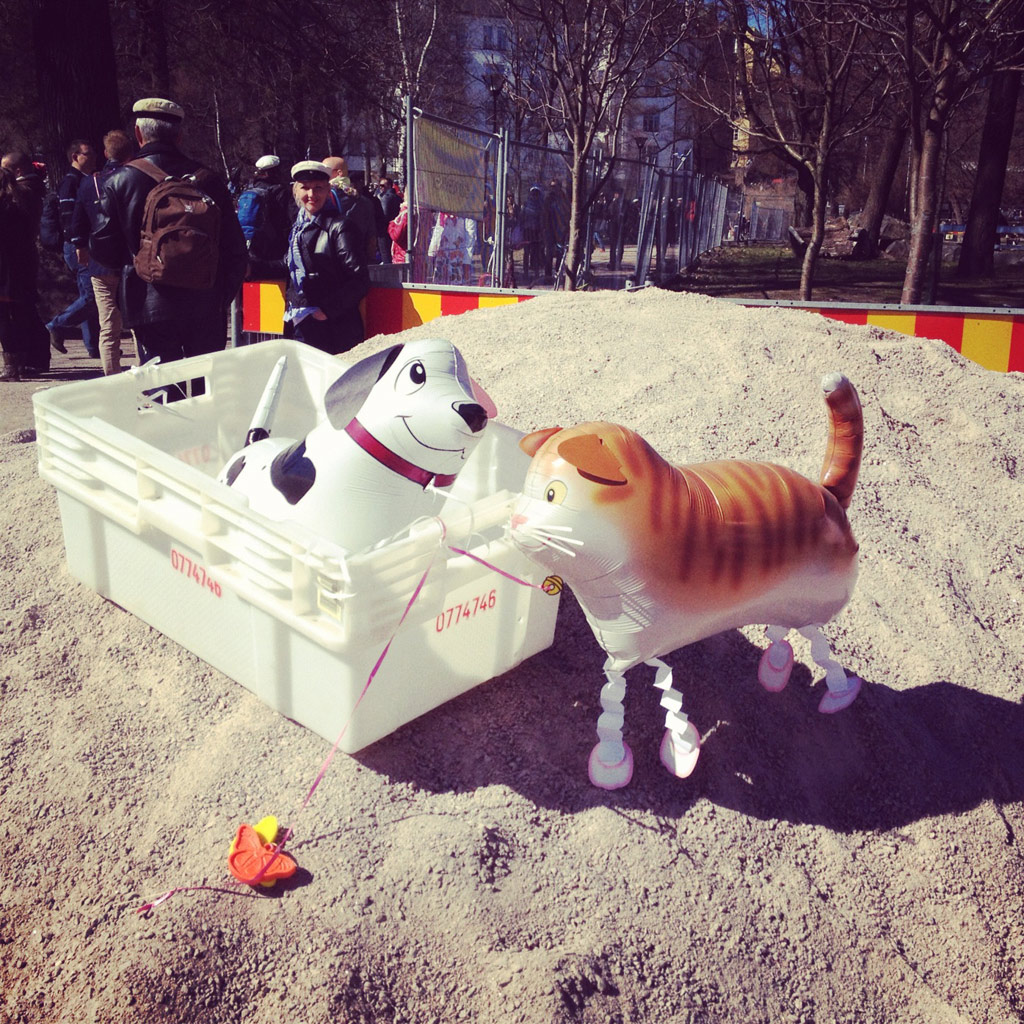
Vappu
A week spent looking inwards and outwards. Lots of work with Sitra colleagues last week - across public affairs and communications; talking to the business development team; moving forward with our workplace renovations and working styles etc. And then plenty of work around Brickstarter and food projects.
Team round-up; we have two people Stateside at the moment; as well as Justin in Boston, we have Bryan in NYC and California. He's talking to all kinds of people around Brickstarter-like projects and HDL2012. Judging by a quick Skype earlier today, he's getting into good discussions; for example, his interview with the folks behind +pool, the technology behind a proposed floating swimming pool in the Hudson, funded via Kickstarter.
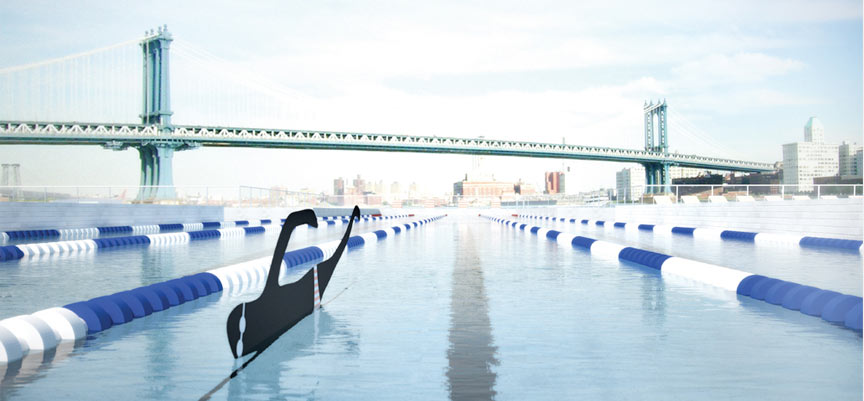
+pool vision. Source: pluspool.org
Marco and the rest of us are now devoting a significant amount ot time to planning HDL2012. More on this when we can, obviously.
Bryan, Kali (aka our colleague Karoliina Auvinen) and I are off to Berlin in a couple of weeks, on Brickstarter research. We're going to chat with Dieter Genske, who I had talk at Arup Melbourne last year, as we're particularly interested in small-scale community-owned energy infrastructure. But we'd also be interested in suggestions as to who else we should talk to while we're there (the background to Brickstarter is here and here; any relevant projects or people we should see in Berlin? Let us know via the comment box below, or tweet via @hdl2010)
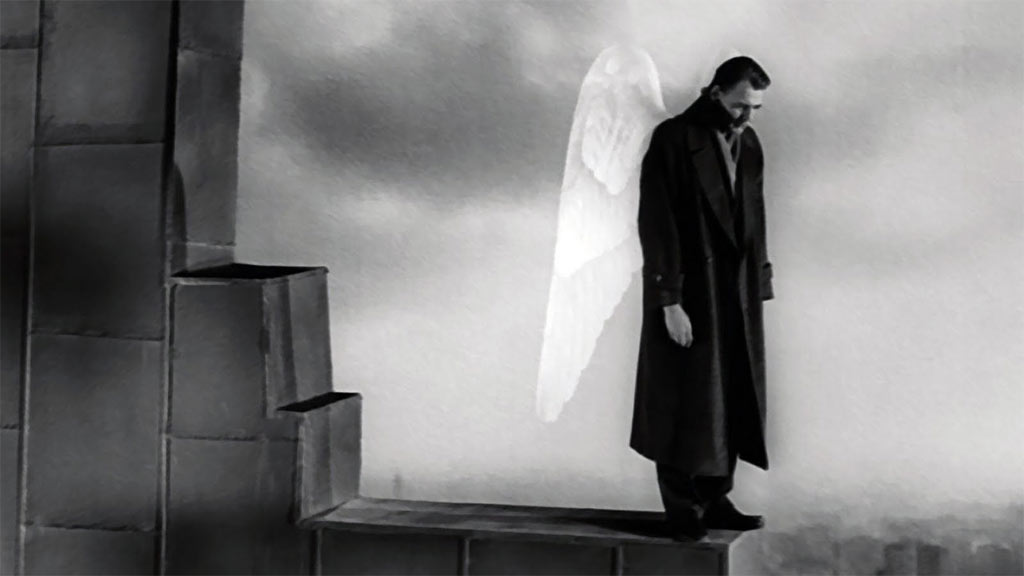
Any mention of Berlin necessitates a still from Wings of Desire
Also, a new arrival! Our newest intern Kalle Freese started last week. Kalle's a student at the University of Helsinki, and also one of the best baristas in the Nordic Region, contributing to several of the best local food culture (and of course coffee culture) blogs, as well as working the local Helsinki scene.
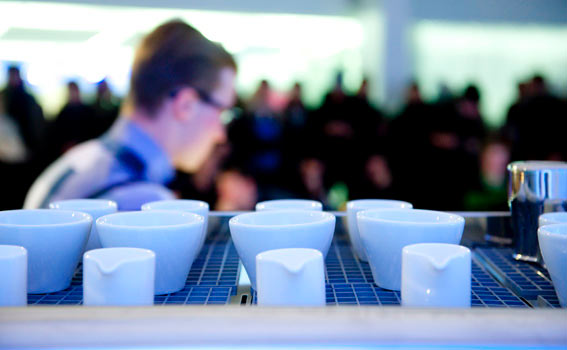
Kalle Freese. Source: nordiccoffeeculture.com
We'll get him to introduce himself here shortly, but you could read his bio at Nordic Coffee Culture in the meantime. While you're there, have a read of Kalle's write-up of his experience in the Finnish barista championships. What's good is the wider sense of how to talk about 'qualities', as well as the broader ideas of practice, service, environment, experience design, and so on.
Kalle will be working us on all projects, but primarily on the food work going on at Tukkutori, in Kalasatama. As with many, he understands and enjoys coffee because of an Antipodean experience, in his case New Zealand. It's a place that, I and many others would argue, possesses the world's best coffee culture (and this is nothing to do with my ongoing search for a good #helsinkiflatwhite, which those who follow my twitter account have to endure.)
I caught up with our Design Exchange placement #1, Sara Ikävalko, on Friday morning. She's got some great video footage of sketching sessions with high school students and others, which we'll get online shortly, and has been running workshops with seniors too; she is busy busy busy.
We rounded off the week in fine style with a great visit from Rodrigo Araya of Tironi Asociadios, in Chile. We were talking to Rodrigo for Brickstarter, and I've typed up the notes from the meeting over at the Brickstarter project blog. Rodrigo came highly recommended by my Arup colleague Alejandro Gutierrez.
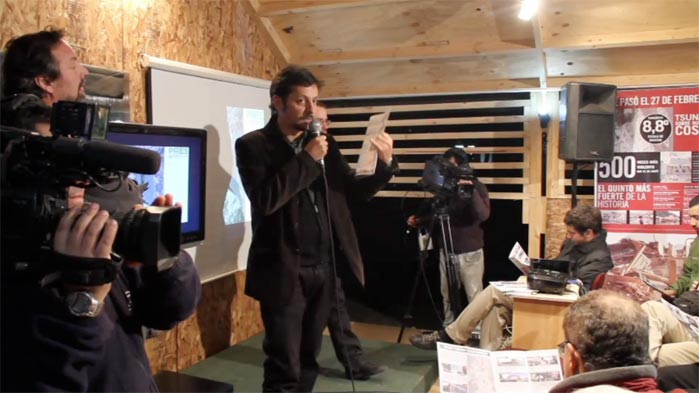
Debate in Constitución.
Accompanied by my colleagues Karo Luoto, Kali Auvinen and Johanna Kirkinen, we spent a few hours picking Rodrigo's brains. Suffice to say, the projects in Constitución and Calama that Tironi are working on (with Alejandro Aravena as well as Gutierrez) are thoroughly inspiring, and exemplary models for citizen participation. Read more at Brickstarter; in terms of decision-making cultures, it's an invaluable case study.
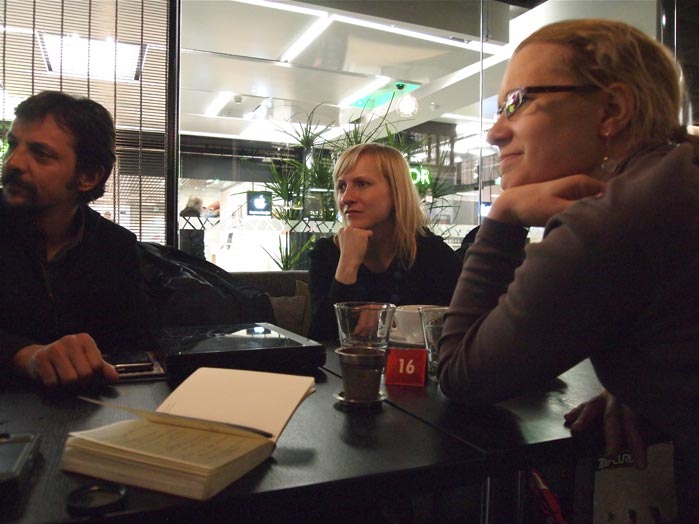
Rodrigo, Johanna, Kali.
Finally, it feels like Helsinki World Design Capital is beginning to really emerge now, just as the city emerges from winter. The snow has melted, the sun is shining, there's a Demos-fuelled pavilion latent with potential being built around the corner, and there are a slew of events, publications, projects, and happenings occurring now, which we hope will continue into the summer and beyond. One such publciation incldues 'Helsinki: Beyond Dreams' which Bryan contributed a piece to (you can read it here.)
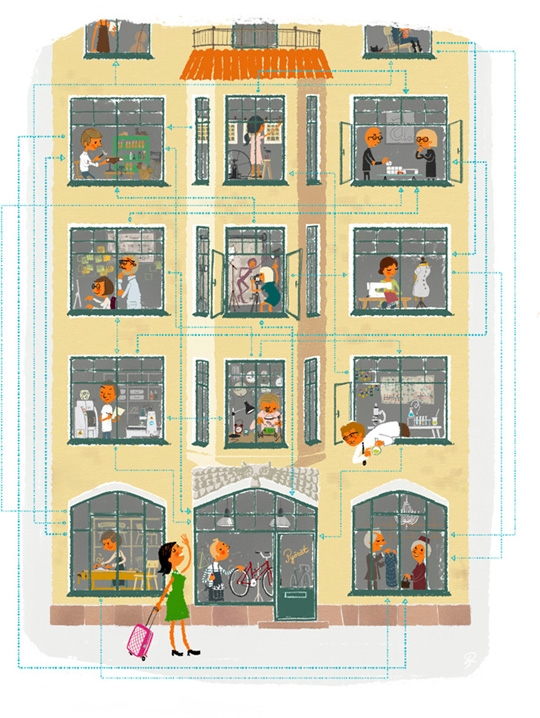
Illustraton from Helsinki Beyond Dreams by Pent Talvet.
"A generation from now, will Helsinki and Tallinn be connected as a twin city filled with local urbane industries: small factories, craft workshops, courtyard cafes and scientific research labs flourishing side by side in the city centre?"
It's a lovely, lyrical piece building on our shared interest in small-scale manufacturing returning to city streets (and in doing so, finally making use of Helsinki's woefully-underused near-perfect courtyards). Incidentally, The Economist newspaper wrote in a very different mode about the same possibilities just this week, in their special report on 'A third industrial revolution'.
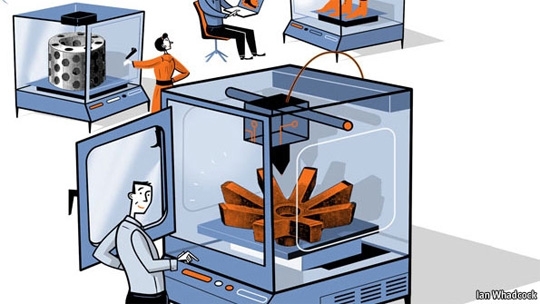
Illustration from The Economist's special report on manufacturing.
Finally, this week's how-to. In fact, a few of them. (As people that grew up with 'View source', we love a good how-to.)
The first, from pioneering coding community Rails Girls, is really nice example of a "how-to" for a good event. Top notch legibility.
Secondly, "Start-up tips from the food truck revolution" is more of an intervew than a how-to, formally, but you get to the same place.
Thirdly, the excellent new Neighborland has some great pointers for how to use their service to get things done in your (US-based) community. They seem so straightforward and common-sensical at first glance, but that's because the folks behind Neighborland are smart.
Finally, and probably-not-that-transferably, have a flick through the 'handbook for new employees' from games company Valve [PDF]. In a world of The Starfish and the Spider, these guys are clearly no fans of arachnids.
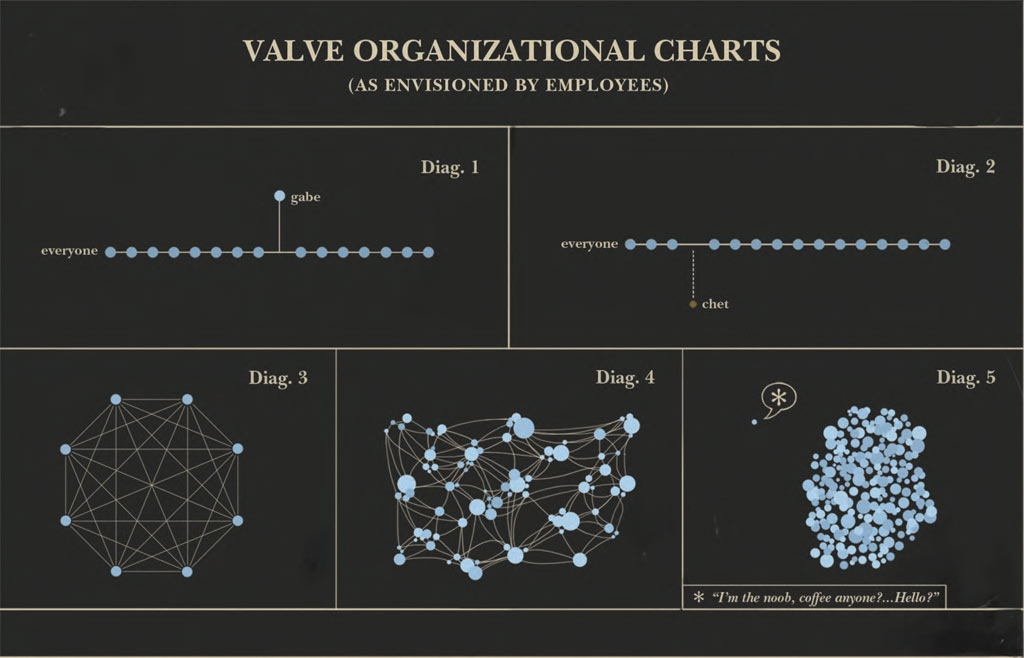
Org charts by Valve employees. Source: Valvesoftware.com
Adam Curtis teaches us to be wary of claims of self-organising communities — quite rightly in my view — but it's often instructive to observe the artefacts of those that try. You might compare and contrast with Forbes earlier this week; turns out there is an 'I' in team after all.
Always with the latenote.
OK, last week was busy. Bryan and I met with the City of Helsinki's Chief Information Officer Markku Raito RE Brickstarter. It was a good, engaged conversation; I'd met Markku in Oslo in December, at the Cisco Public Services Summit (funnily enough, we shared a taxi from the airport into Oslo, purely by chance, before realising we had a few things in common, not least our hometown. This shows there is actually some value to conferences.)
The City is exploring new avenues for citizen engagement in a few different areas, apparently including some variation on the 'local mayors' idea floated in the 'Clues' cards that Bryan et al helped put together.
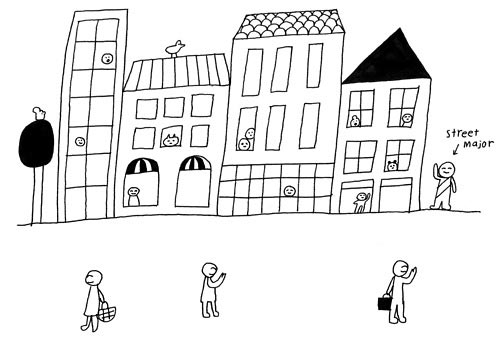
'Street mayor' idea from 'Clues to Open Helsinki'
But the real Mayor, Jussi Pajunen, took to Facebook and Twitter on Monday night to discuss the proposals for a Helsinki branch of the Guggenheim (which I think it's fair to say are 'controversial'). Interesting.
There was also a rather less-considered (in our view) experiment going on , involving people somewhat randomly hammering a touchscreen on a few streets, with little or no context, no comeback or personal responsibility, no attempt to reach a wider population, certainly no deliberation, and no clear idea on what will happen to the votes. Of course, this got significant publicity. Sigh.
(Incidentally, as the Sanomat newspaper points out, this could be third time lucky for the Katajanokka site and has a view on the delaying of the decision-making.)
Back in-house, Marco and I attended one of our internal workshops on Sitra's strategy, focused on the economy. It was good to see a lot of existing work and ongoing conversations on crowdfunding, as part of a 'diversifying sources of funding' discussion within the workshop. The 'Crowdfund' bill going through in the US recently is an interesting development.
More internal work: our plans for our 12th floor renovation - actually prototyping new ways of working, using the renovation of the floor as a lever - are coming to fruition, thanks to sterling work from architects KOKO3. We had a great session with Sitra staff on Thursday, in the traditional weekly get-together of 'torstai pulla' ('Thursday Bun!'). As Bryan noted last week, we've been working on this for a while, and liaising with lots of key people within our organisation, but it was fantastic to see so many Sitra staff actively interested and engaged at this more open session. (And the keener-eyed among you will note why we need to change this floor!)
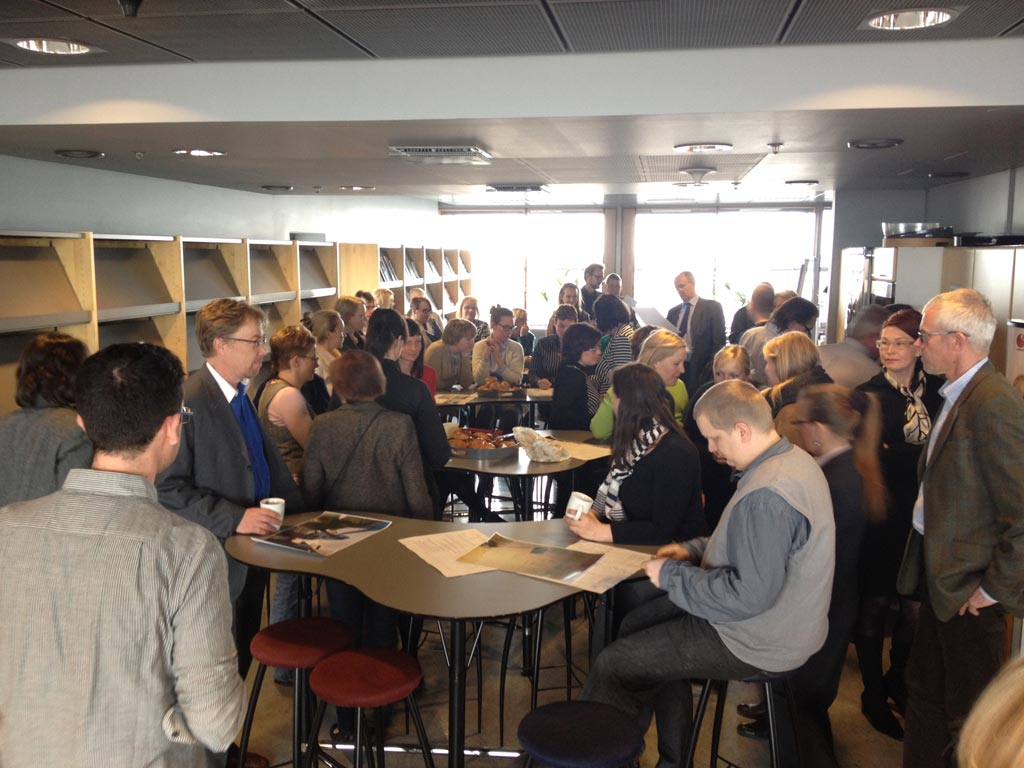
Thursday Bun session discussing plans for 12th floor
The new position in our Design Exchange programme remains open, by the way. Once again, we're looking for a designer to work with Helsinki Department of Social Services for a year (employed by them, working with them, and 'mentored' by us.) It's a great opportunity, so do apply if you're interested.
Speaking of design embedded in public service, this short interview with Head of Design for the UK's Government Digital Services, Ben Terrett, is worth a read too. Their output is shaping up wonderfully, but the broader point about design (and other things) addressing meaningful problems and major challenges, and in doing so making peoples' lives better, is an extremely important side-effect of doing quality work in government.
Thursday, Bryan and I spent the day amidst the slowly de-ruining ruins of Kalasatama - at the Tukkutori market development, specifically - for another all-day workshop continuing the work with Antto Melasniemi, Elina Forss and Ville Relander (noted here previously). All going well, and we're getting close to 'de-cloaking' this project; you can tell that, as we're knee-deep in conversations about the name (ugh).
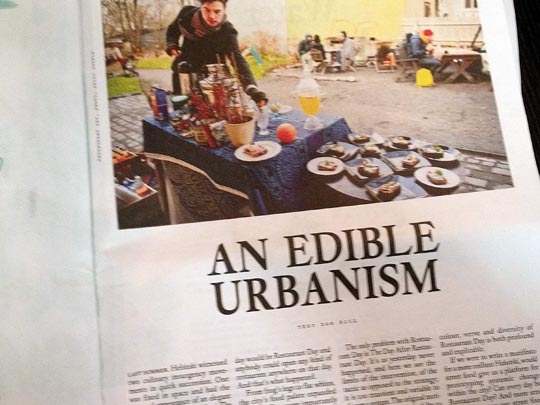
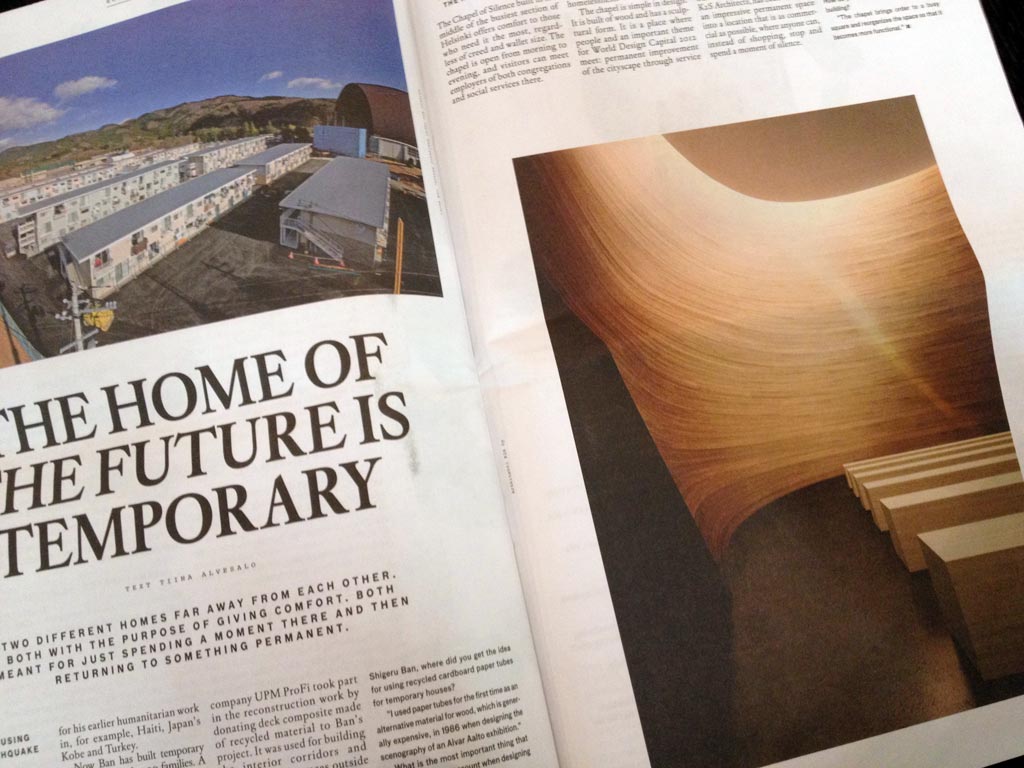
By the way, I wrote a short piece about street food and urbanism, via Ravintolapäivä, as part of "Manifest", a new magazine put together by Artek and others, for World Design Capital. It's available in Artek stores, across the city, and at the Salone design fair in Milan, which is going on this week. There are Finnish and English editions, and contributions from a good set of writers. (Nice to see my words in Finnish, actually, even though I have no idea if they're the right ones. It's nicely designed by top local firm TSTO too. Well worth picking up if you're in town.) This is part of our ongoing background research around the aforementioned food projects.
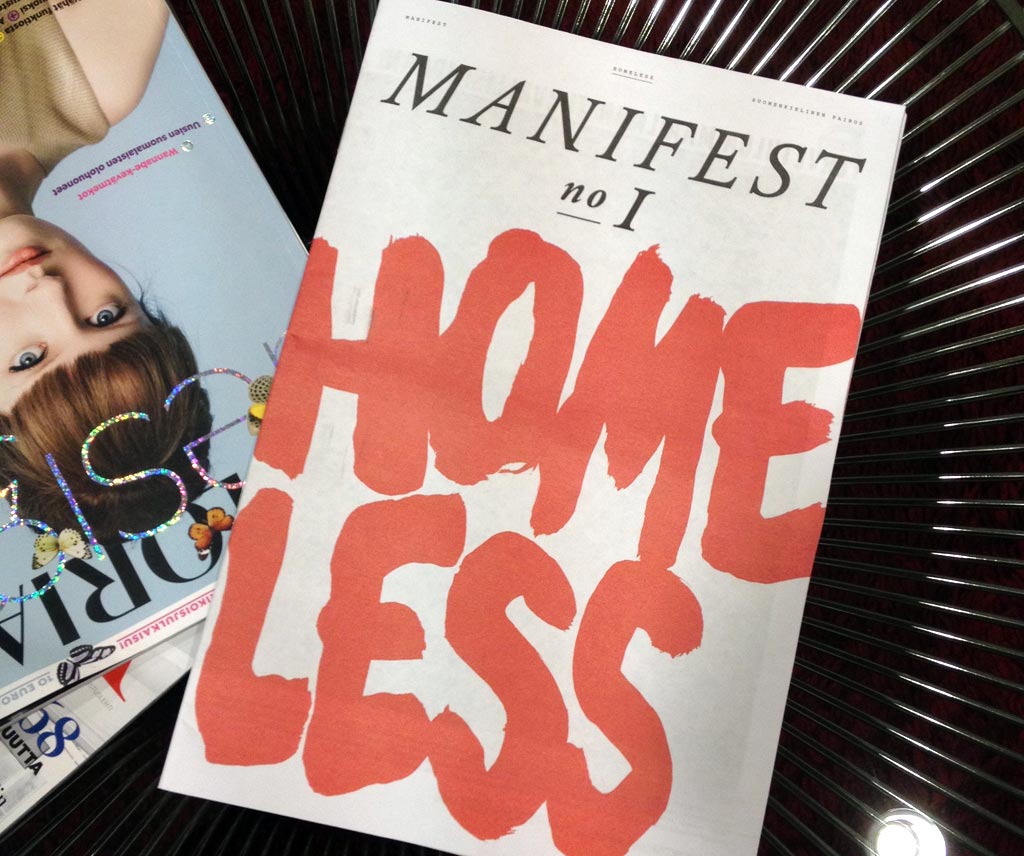
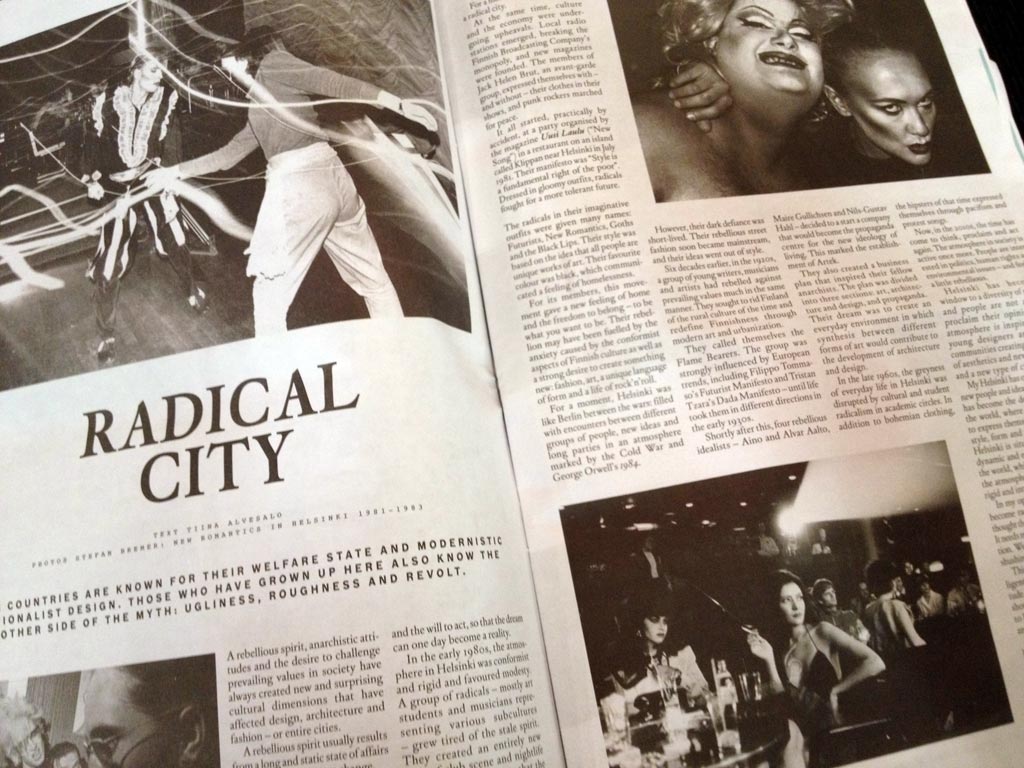

On Friday, I had the pleasure of meeting people from the Strelka Institute for Media, Architecture and Design in Moscow. Strelka is a fantastically interesting intervention into the city - Rem Koolhaas's firm AMO have been involved in the curriculum - and hopefully there's something interesting brewing between us and them.
And we've started getting seriously into planning our next HDL event. It's been a bit of a 'phoney war' up until now, but now we are into dates, venues, formats and participants. Exciting.
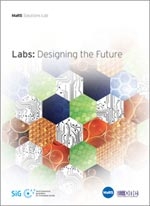
I've also been liaising with Social Innovation Generation and MaRS Discovery District, in Toronto, Ontario, including some interesting exploratory conversations around design labs for social innovation. Lisa Torjman of MaRS wrote an excellent report on the labs concept, drawing from the likes of Mindlab, IDEO, Participle and us. Lisa's report does a great job of setting the scene in particular, as well as expertly nailing the case studies. It's well worth a read. That is an emerging discussion, but heading somewhere very interesting.
We also note with interest John Thackara's extremely useful and thought-provoking set of 'handouts' around particular themes, or challenges. (John's twitter feed is always usefully thought-provoking, too, by the way.)
Finally, and predictably, we've all been drawn in by the second season of DR's majestic political drama 'Borgen'. Such is the way of on-demand media, team members have now each watched an entirely different number of episodes, so any detailed conversations about the plot is verboten (or 'forbudt', perhaps.) Suffice to say, Birgitte Nyborg would ideally be the Statsminister of everywhere.
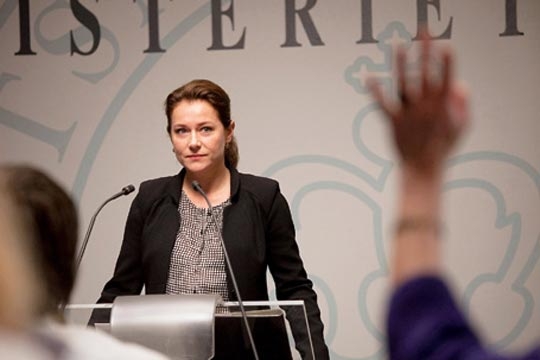
Birgitte Nyborg, Statsminister
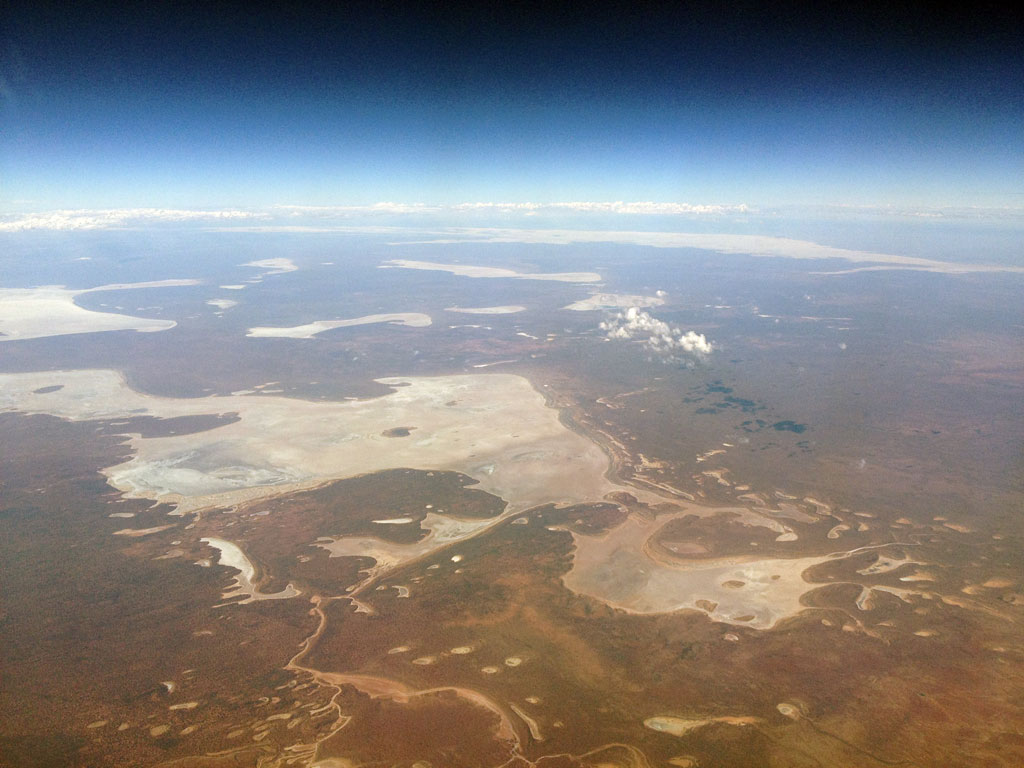
Flying over Lake Eyre, northerly out of Adelaide.
This week, the weeknote is really brought to you by Adelaide and Melbourne Design Lab, rather than Helsinki Design Lab. I've been in Australia all week, and have only the vaguest ideas as to what's been happening back home! Justin's in town, which is good, and he, Marco and Bryan have been knee-deep in our internal organisational strategy work, as well as keeping our Low2No food projects ticking over.
One thing; our Design Exchange operative #1 - Sara, embedded at City of Lahti - has got a new site live for the 'Radanvarsi' urban development around the train station in Lahti. The site is for the project competition, and citizen participation around the development in general. It's all slightly beta - of course - but will begin filling up from now on. (PS. Note, we're looking for another strategic designer in this progreamme, as part of Helsinki Department of Social Services - apply here.)
But as the team were slaving over a hot organisational strategy stove (?!) in a Helsinki which had momentarily turned its back on spring, I was in sunny - very sunny - Adelaide.
I was there for a quarterly meeting of the Integrated Design Commission Advisory Board (more info on the board here). The IDC, led by Commissioner Tim Horton, and part of the office of South Australian Government Architect Ben Hewett, is one of the most interesting design interventions in Australia. It's also one of the few other organisations worldwide also working as a strategic design capacity for core public institutions.
It grew directly from the work of one of Adelaide's Thinkers in Residence, architect Prof Laura Lee, and sits right at the heart of government - part of the Department of Premier and Cabinet. It's charged with aligning design disciplines, industries and efforts across the state. In practice, this means focusing initially on planning, architecture, urban design and other built environment issues - but given the state's manufacturing history, this also means some interesting incursions into industrial design, via prefabricated housing. In this respect, it's a little different to our mission - though we're often covering similar ground. But their work essentially concerns gluing back together core disciplines and perspectives that our societies have allowed to wander too far apart; which is certainly developing a similarly holistic view to that pursued by our Studio process.
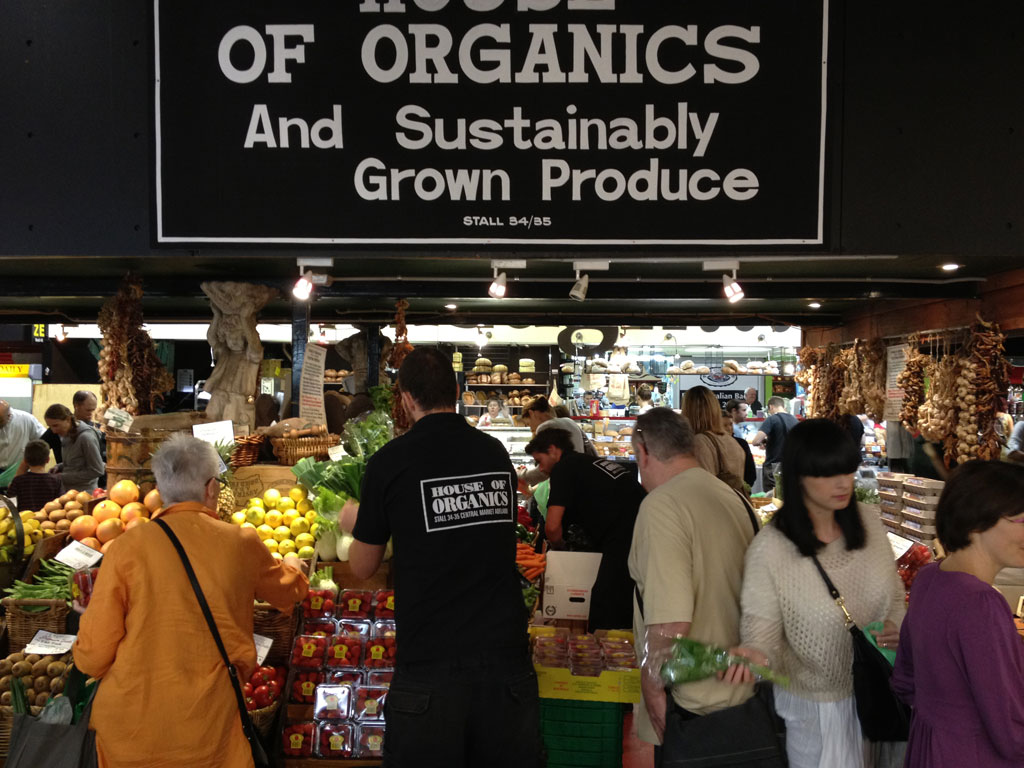
Adelaide's excellent Central Market indicates the value of local, organic everyday food.
(Tim and I often reflect on the ideal proxmity from seat of power, for a strategic design function. You need to be close to effect genuine change, clearly, but not too close as to be a political football. The IDC team seem to have it about right; see also Ben's work as Government Architect, and the major announcement of a City Design Review Panel, which was happening last week; a huge step forward to get qualitative assessment at all stages of the urban development process. As Planning Minister John Rau said of the announcement "If we are going to encourage more South Australians to live in the city, then excellent design is critical.")
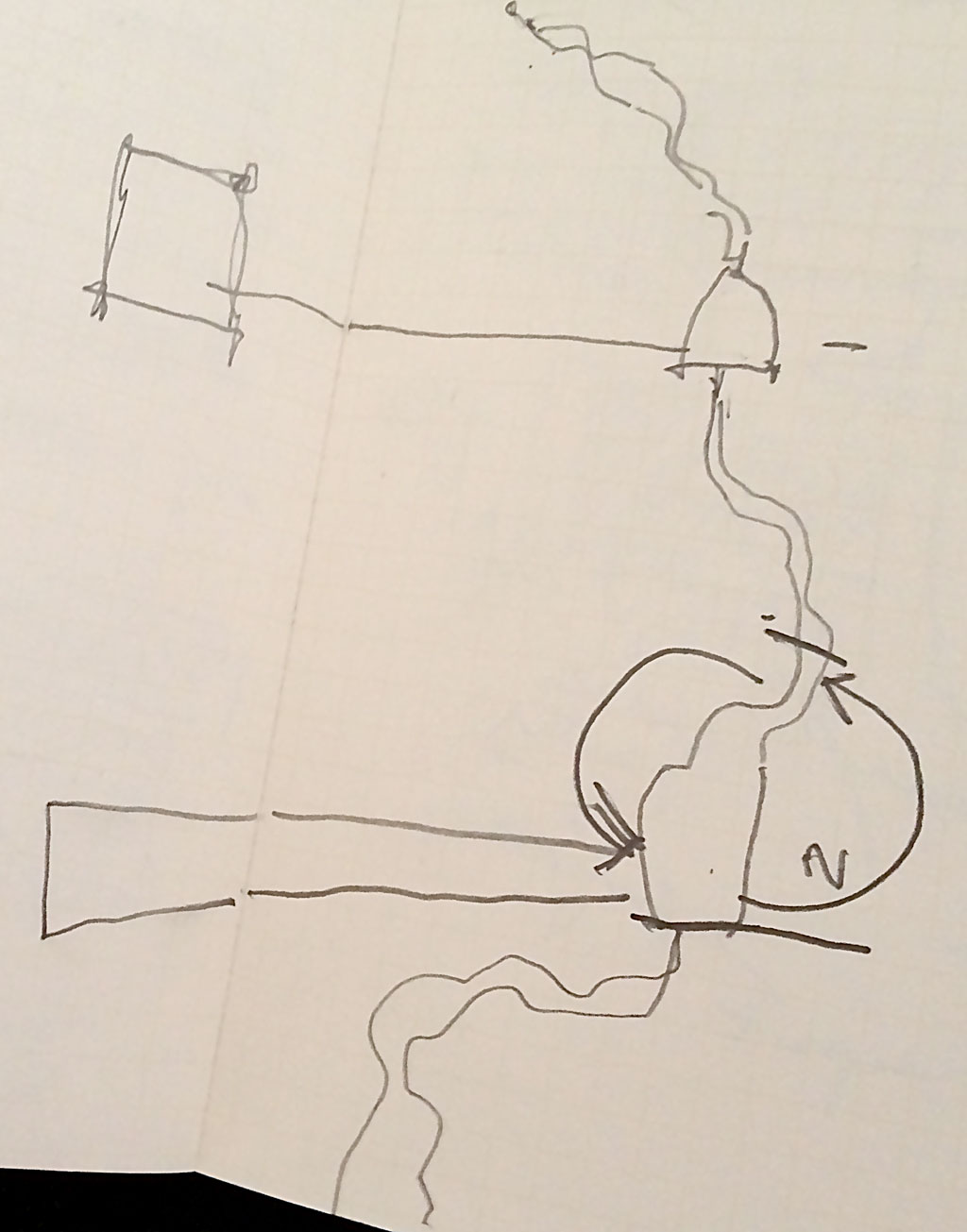
Tim Horton's sketch of River Torrens system, scribbled in my notebook over lunch
Amongst other projects, the IDC team are at the heart of the 5000+ project, which is intended to be a replicable model for citizen participation in urban planning, or more broadly, discussions as to what Adelaide is for. This is particularly interesting as regards Brickstarter and Low2No, but worth checking out in general. IDC have even successfully taken the HDL Studio format into their work - which is exactly what we hope happens by publishing blueprints in such detail - which builds on several conversations we had when I was originally in Australia, pre-Sitra.
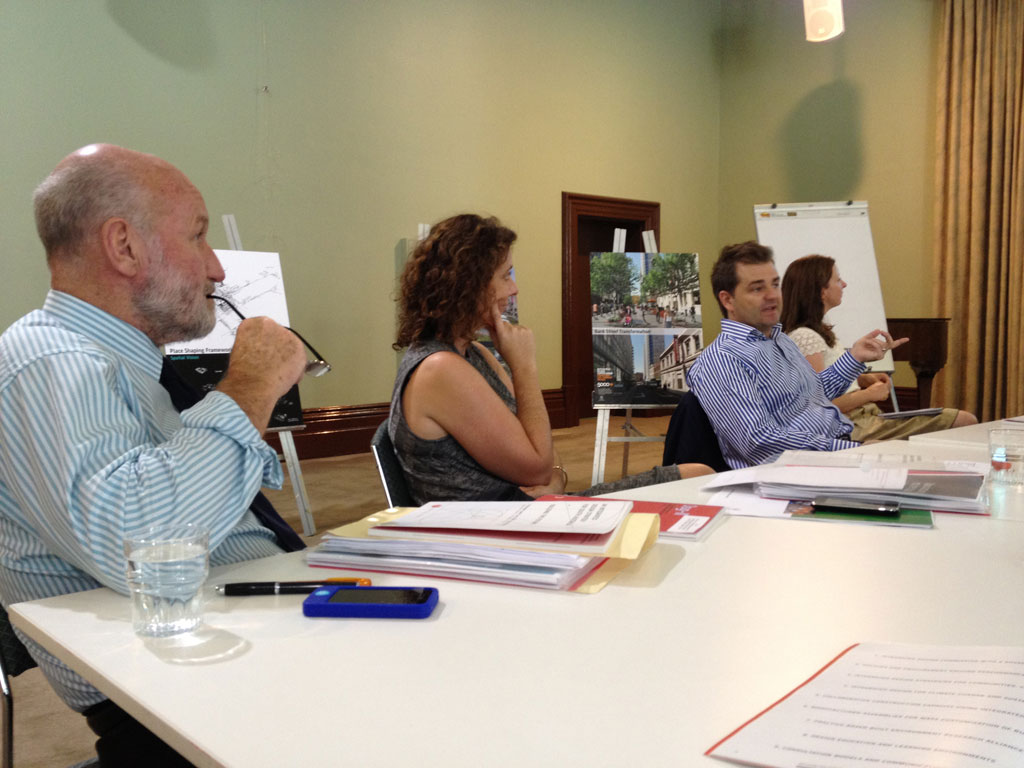
Advisory Board: Prof, Graeme Hugo, Associate Prof. Joanne Cys, Tim Horton, Jane Crosby
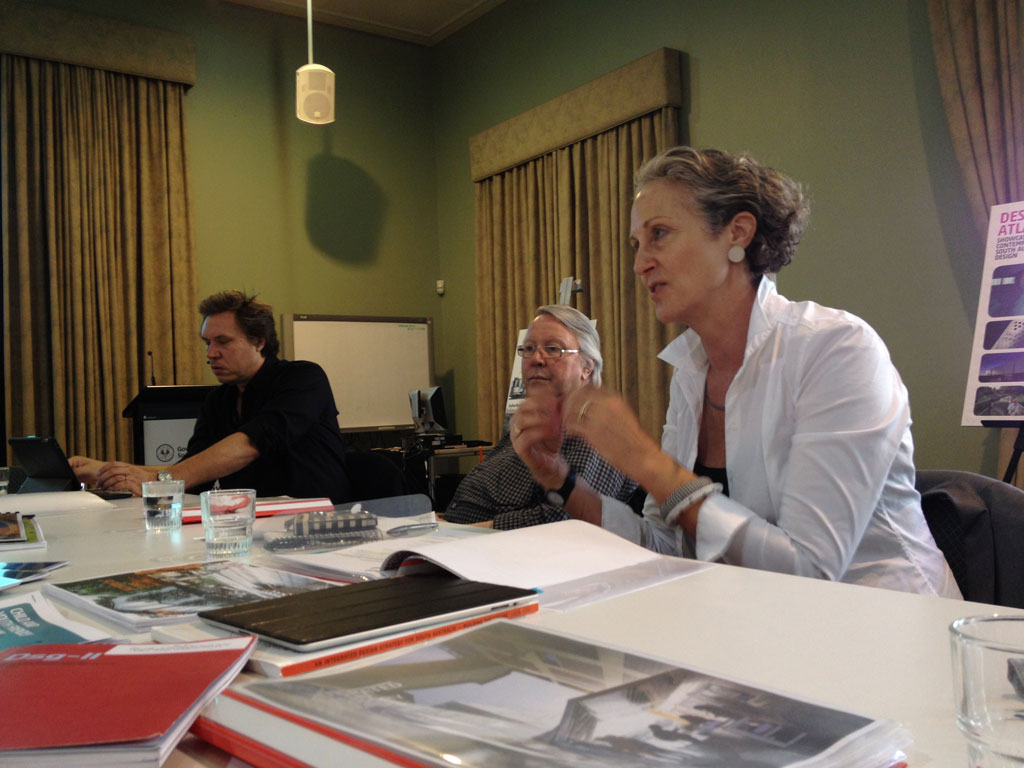
Advisory Board: Ben Hewett, John Denton, Dr Elizabeth Farrelly
I think Adelaide is a great little city, as it happens ("little" in comparison to Sydney and Melbourne, both of whom tend to look down their noses at it, as is the way of such things. Adelaide, like Helsinki, is a good population size for a city; it's the distribution that needs a little work.)

Cursor, Adelaide
Like most Australian cities, it's slowly beginning to develop a sense of its own urbanity, despite a good half-century of suburb-dominated misteps, and that is good to see. The work of the IDC, and the several other initiatives in the city, will be key to ensuring a vibrant and productive urbanism emerges. It was great to see evidence of 'emergent' innovation filling the numerous gaps left over by 20th century urban policies, such as this fabulous pop-up lobster taco stall and winery, occupying a vacant parking lot. From totally dead gravelled non-space to fine lobster tacos and some of the world's best wine, and 'one-in-one-out' by 7pm on a warm Friday night. (Please excuse the dark mobile phone video, but it captures something of the mood.)
One paper the IDC delivered to the board was SGS Economics' review of the economic impact of the Renew Newcastle intiative, revealing an extraordinary 10:1 multiplier effect of Renew Newcastle, as well as other 'shared value returns' on investment. (Though when assessing these 'economic impact of cultural initiative' papers, I'm always reminded of my friend Justin O'Connor's note that no-one ever asks for a 'cultural impact of economics' study, which would surely reveal the opposite of a multipler; a divider, even?).
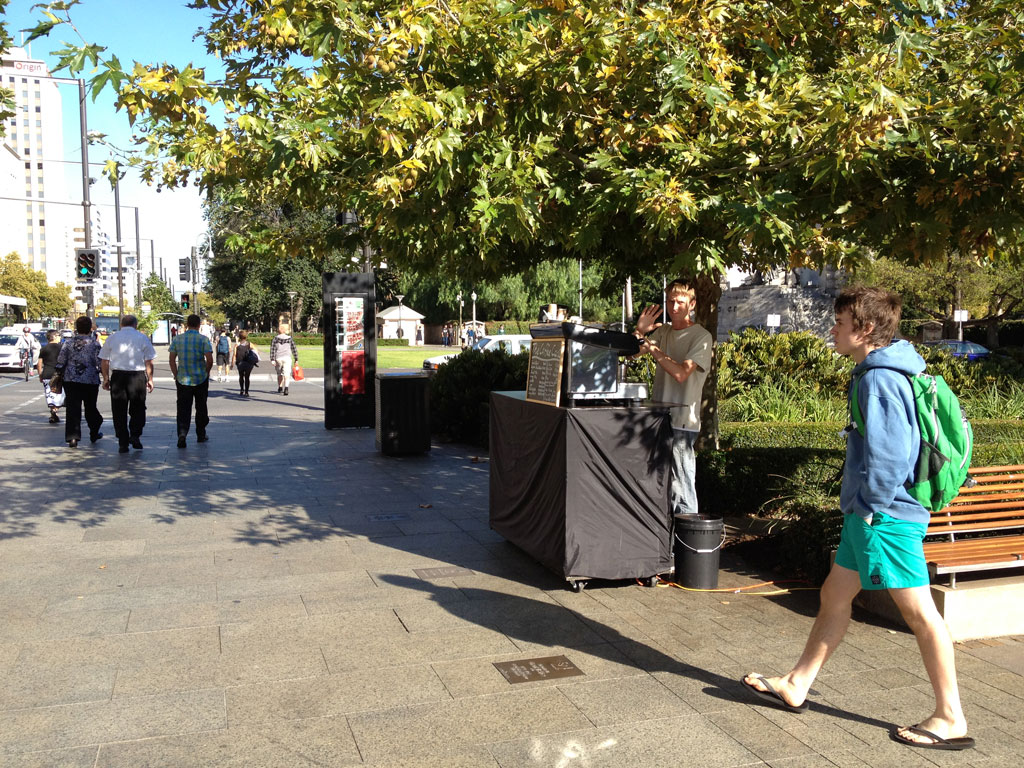
Pop-up coffee stall, part of a trial testing looser regulatory approaches to licensing in the city.
And before our meeting in Adelaide, I caught up with Marcus Westbury in Melbourne. Marcus created the Renew initiative - first in Newcastle, NSW - and Renew Australia is now based in a good retrofit of an industrial unit in Brunswick, Melbourne. It was great to catch up with Marcus; he and I worked together on The Edge in Brisbane, and he's such an original thinker (and doer) in terms of genuinely shaping cities. Notes to follow on that chat over on our Brickstarter project site. (There's a Renew Adelaide, as it happens.)
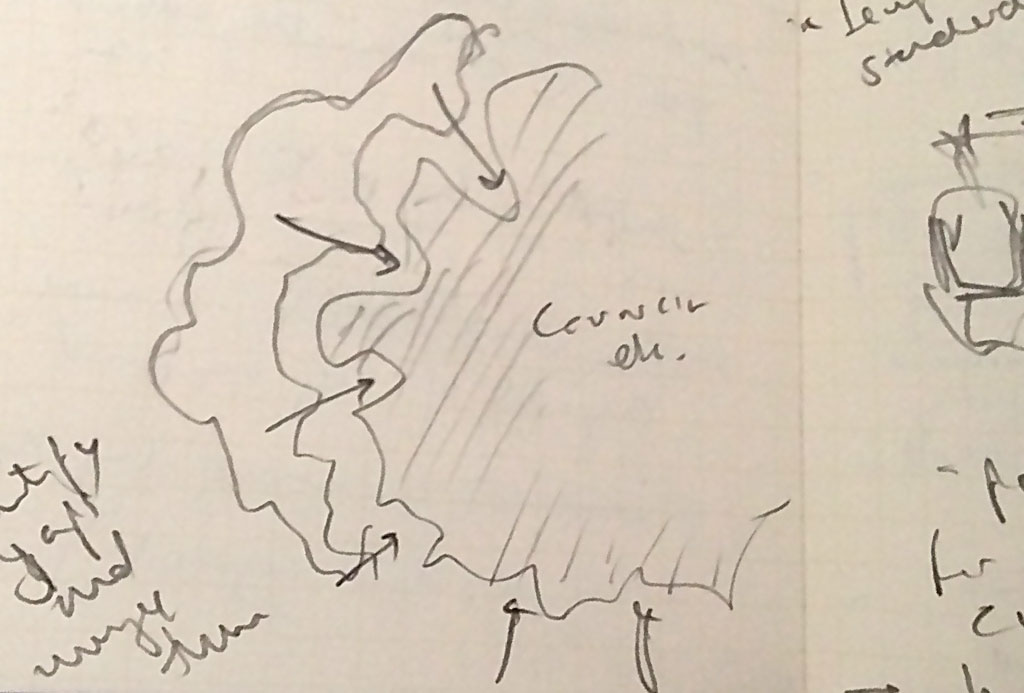
My diagram of Renew Newcastle looking for gaps in 'dark matter', during chat with Marcus Westbury
I was in Melbourne for a crazy 36 hours courtesy of the University of Melbourne School of Design, and particularly the architecture department. I met some very bright urban design masters students for lunch, gave a public lecture (thanks to all who turned up; Twitter was pretty effective at getting a few hundred in a room with not much notice.) Ditto a lecture at Arup Melbourne the following lunchtime, part of the Innovation Forum series now curated by Stuart Candy.

Brickstarter-friendly site, 500m south of University of Melbourne architecture department.
Back to Adelaide, and meetings with TACSI's Brenton Caffin, around where might 5000+ go next, and IDC again, advising on how to handle discussion around smart city strategies, before an incredibly useful phone conversation with City of Sydney about their exemplary recent tender for food trucks.
It was great to hear about their approach, which Helsinki - and many other cities, for that matter - can learn much from. We're trying to broaden the conversation around street food here in Helsinki - including with the City, as previously noted - and these kind of case studies from other cities are often very important in terms of shaping opinions. Again, more details soon, as this one warrants a post of its own over at Low2No.
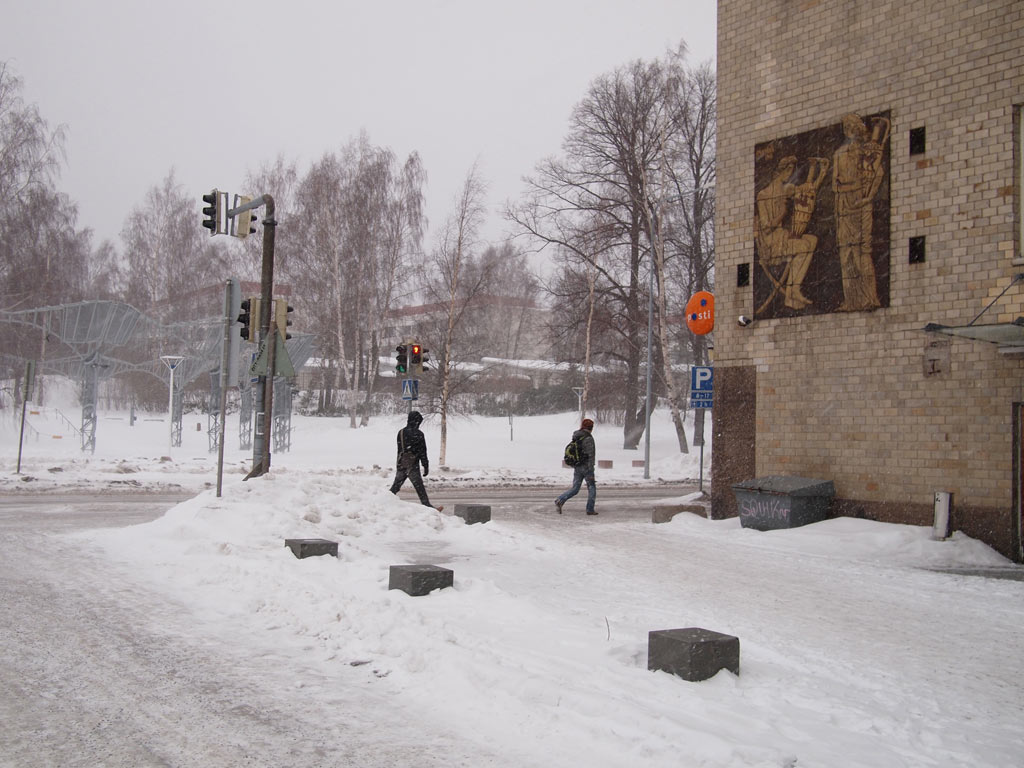
Aalto University School of Art & Design, Arabianranta campus.
A very busy but productive week, which started in a snowstorm at Aalto University, where I was running a 2-day workshop on the Master of Arts (MoA) course, with my friends and colleagues Joseph Grima of Domus in Milan and Bryan of this parish.
I've known Joseph for years (from Postopolis days), so it was nice to work together with him again. (By the way, in little over a year, Joseph has transformed the venerable Italian institution into perhaps the best design magazine around - or certainly up there with Eye and Idea, at least - so Domus is certainly worth checking out, if you haven't seen it recently.)
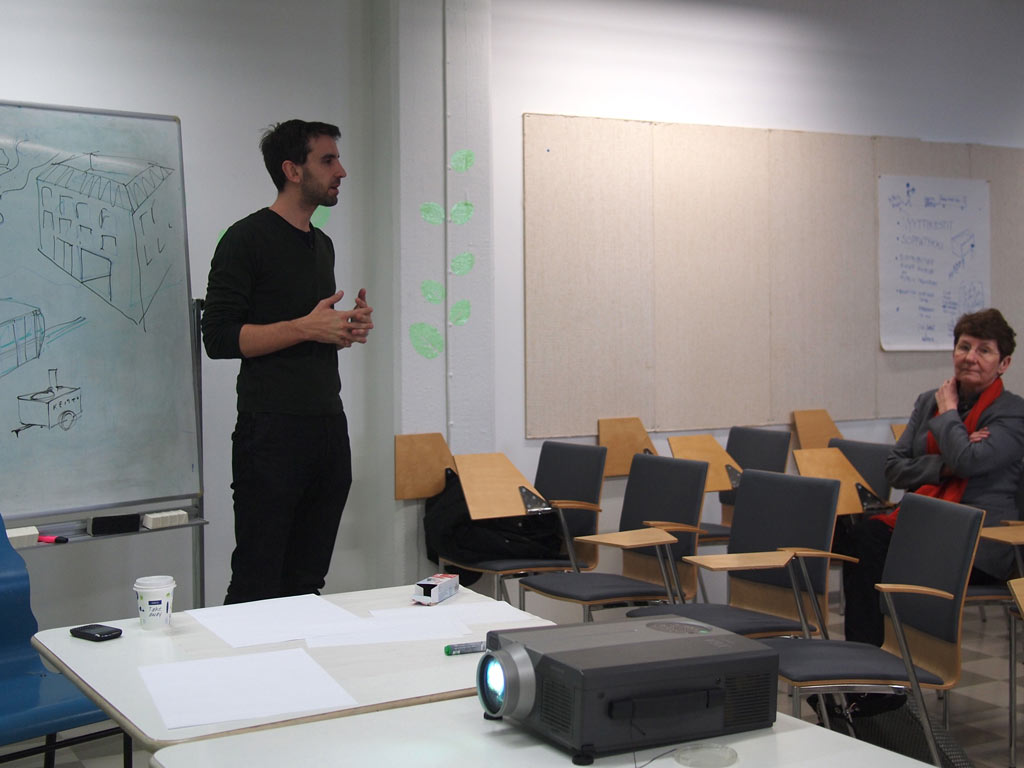
Joseph introducing the workshop.
Our workshop focused on the 'everyday food' angle we've been pursuing over the last six months, and been reporting on here. The 30 or so students were from all over Aalto's design and art disciplines, and so well-suited to such a rich topic. We set the piece with the following brief:
"Design the conditions and context that might use street food as a ‘Trojan horse’ to positively transform Helsinki’s street life & use of public space, citizen engagement & diversity of entrepreneurship, carbon footprint & cultural life."
We gave the students a set of by-now familar characters, such as the Camionette food truck:

and the iconic Helsinki kioski:
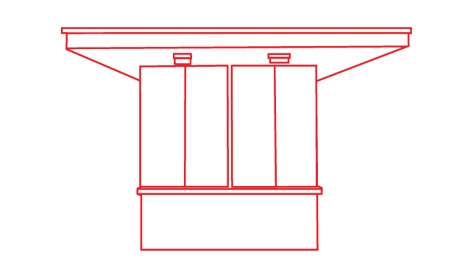
… and numerous other aspects, from wholesale markets to trams, as well as a download of history and context, which you'll be able to read for yourself, shortly.

I sketched the board of 'characters' as they emerged over the two days.
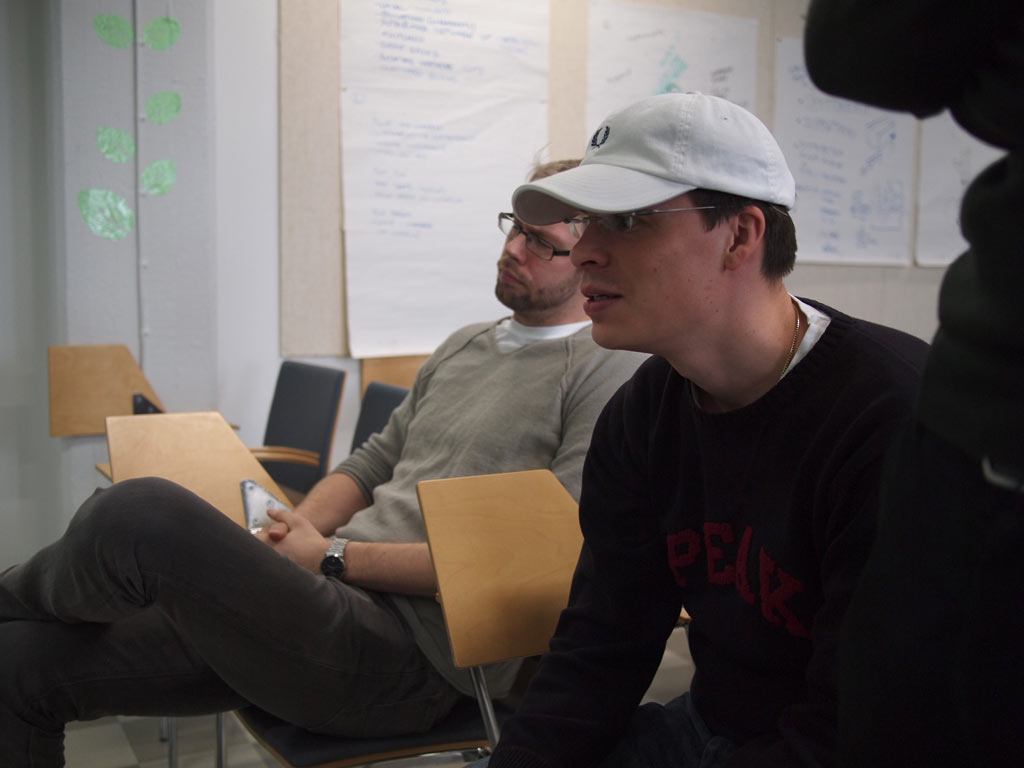
They did a great job over the two days, and the last group through (we sort of exquisite corpsed our way through four groups over the two days) had the privilege/pleasure/daunting task of presenting to our panel, which included Ville Relander from City of Helsinki (see earlier entry) and Antto Melasniemi, of local culinary sensations HEL YES!, Atelje Finne, Kuurna, Putte's, and many other things.
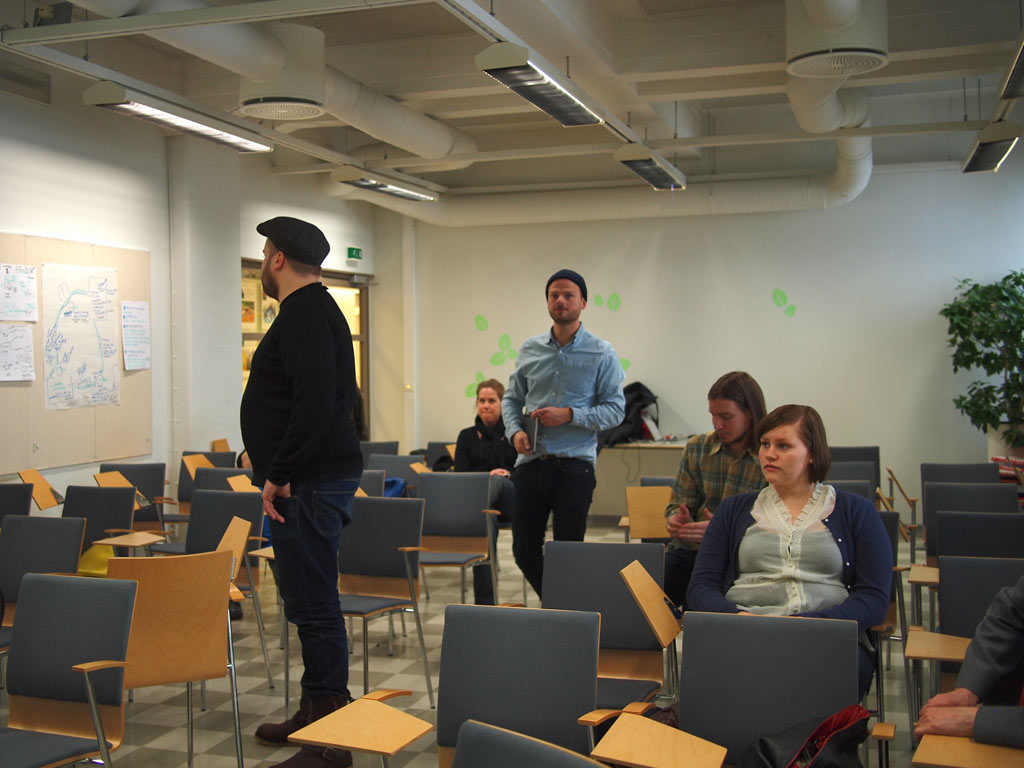
Our fearsome-looking panel arrives.
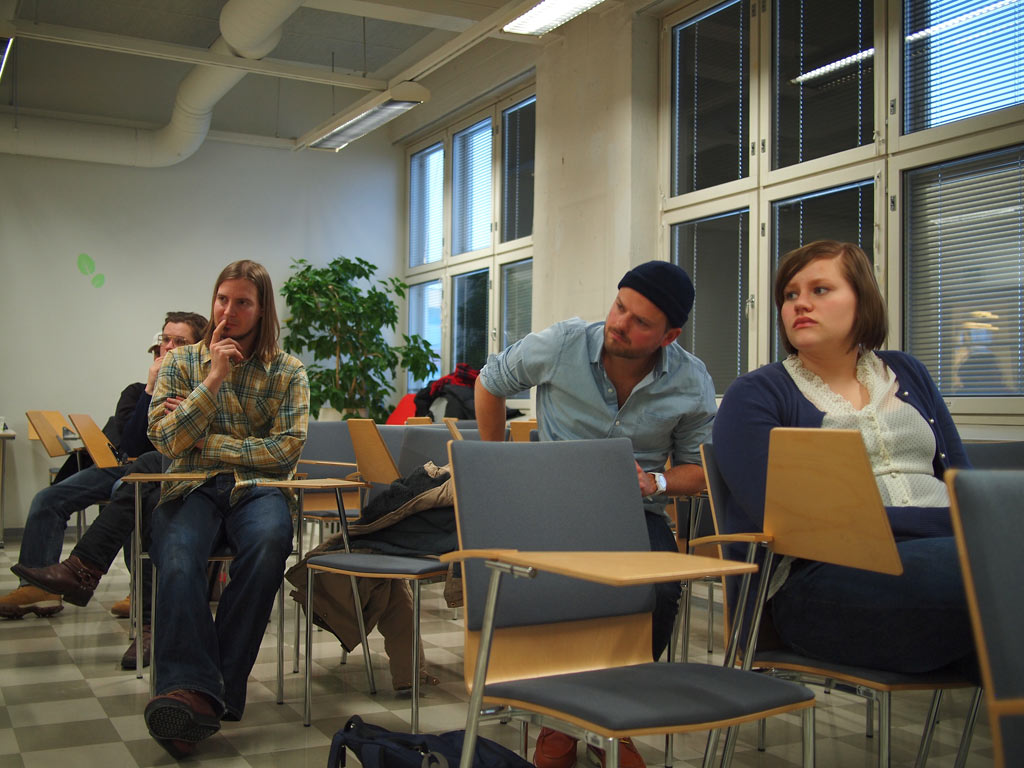
Ville and students.
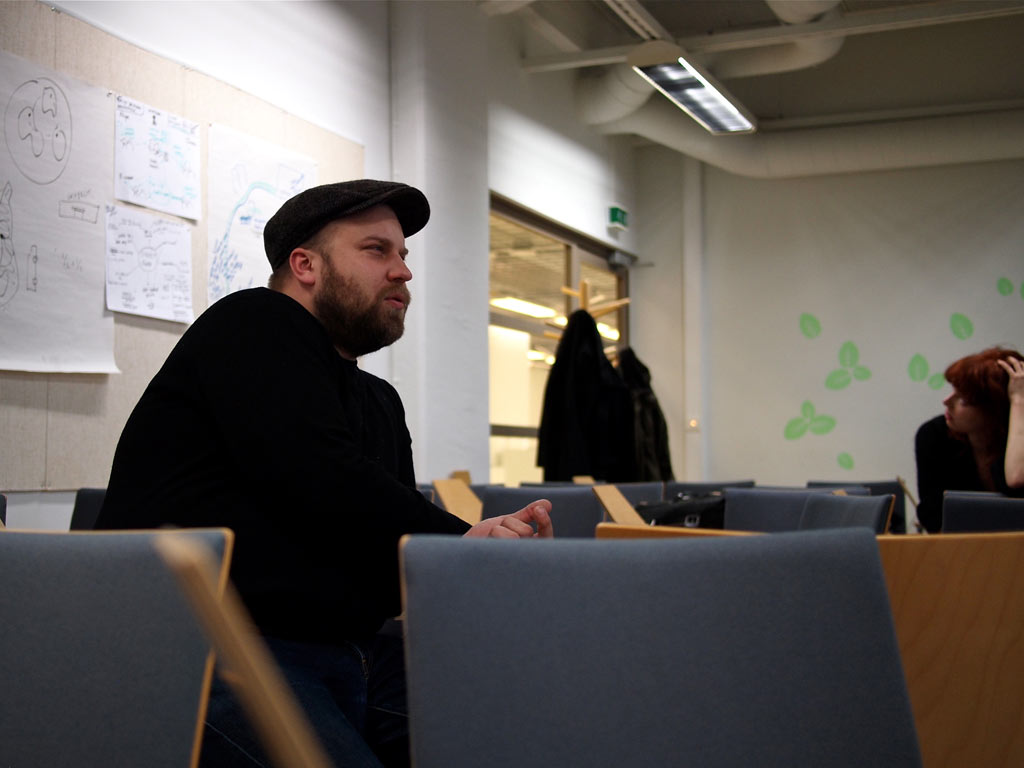
Antto telling it like it is.
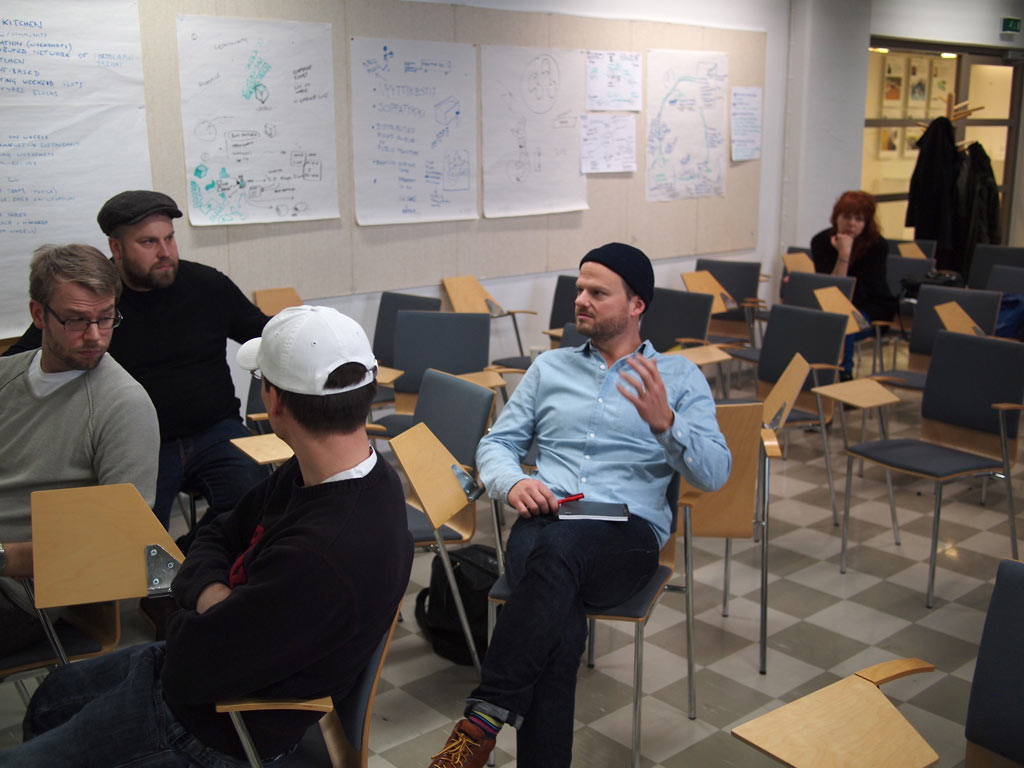
In discussion.
We'll post the results shortly over at low2no.org, and look to take the work forward in some way. Thanks to Joseph, Aalto and the students for their hard work, and to Ville and Antto for their insight and energy.


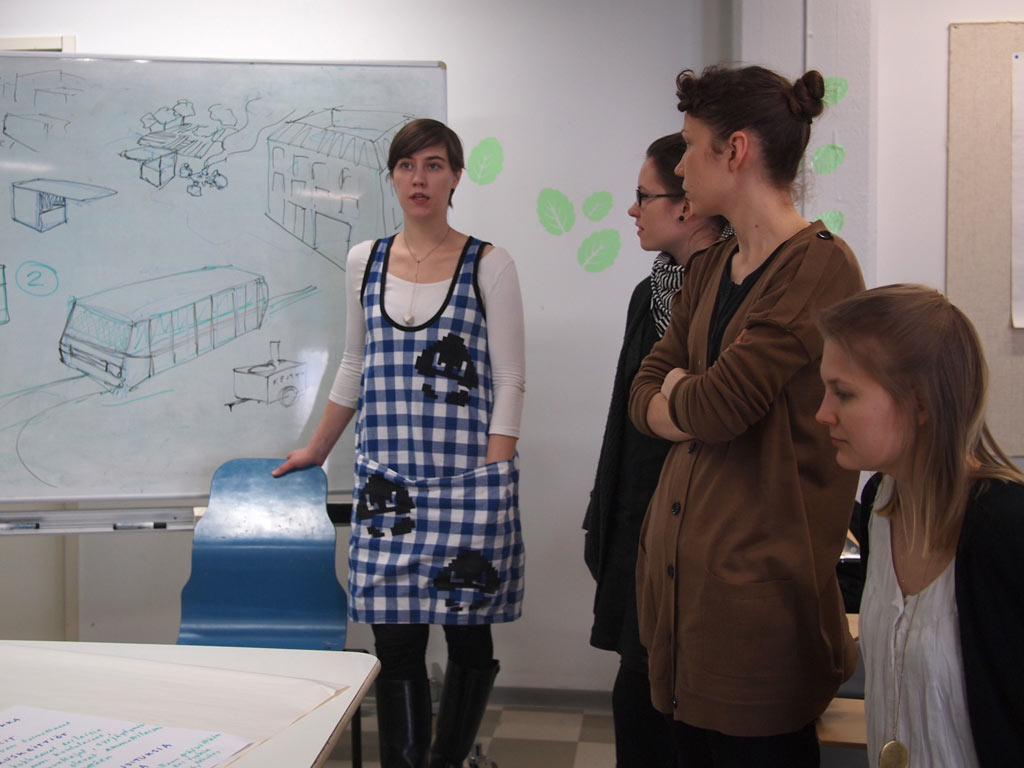
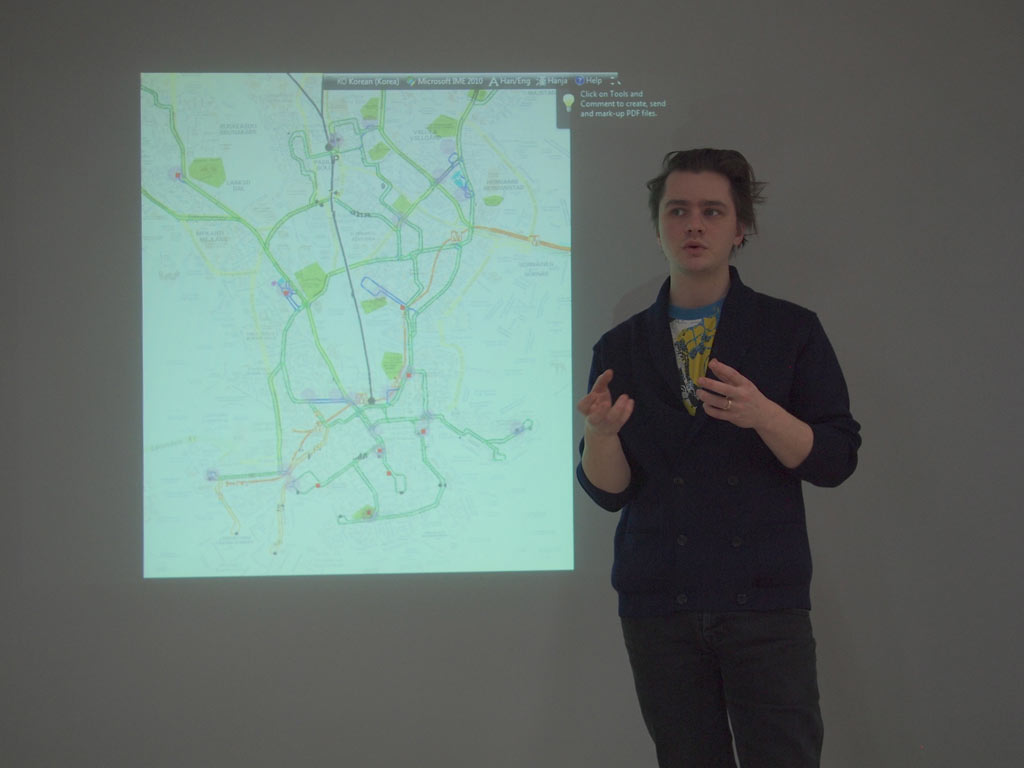
Mapping kioski, disused tramlines and public spaces.
Back to other projects, we actually bookended the week with talk of food, as we ended in discussion with Antto and Elina Forss up at Tukkutori, Kalasatama, about our various food projects. Watch that space; getting very exciting.
On our NIMBY-YIMBY or Brickstarter project (yes, we have to work on our project names), we had an excellent day of reviewing and planning, reflecting on our recent trips to Hamina and Högsåra, and what we learnt. Many things came up, with one of the more interesting conversations concerning how to measure the impact and value of shared public goods - like a wind turbine. We sketched this out on the board in different ways, before Bryan made a more elegant version of diagram-as-question.
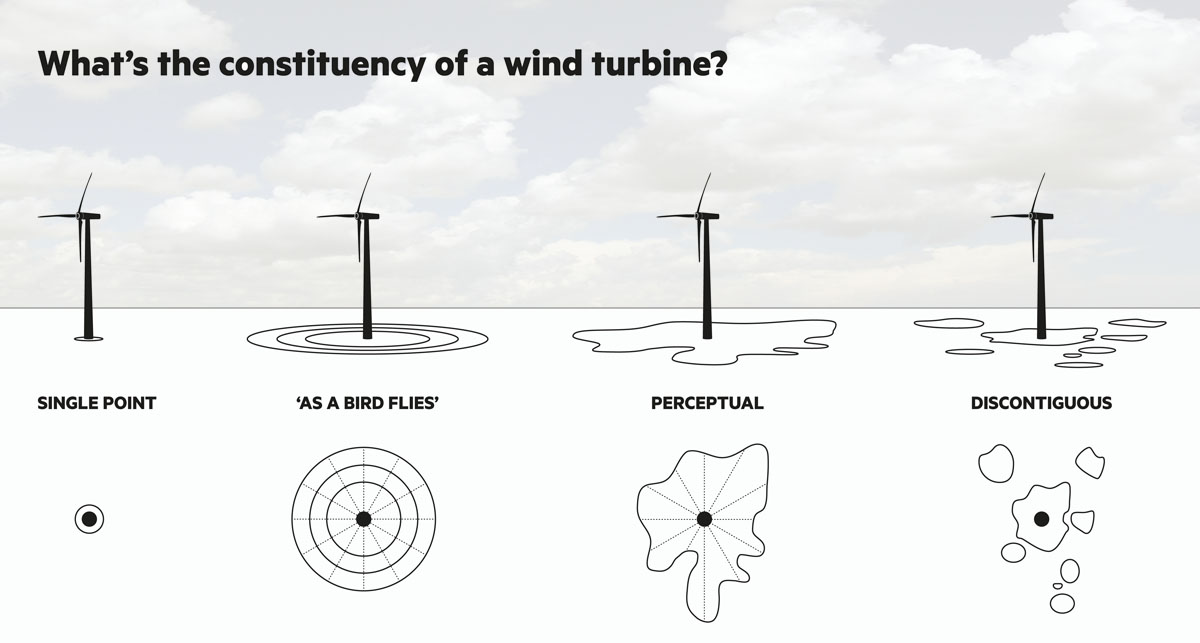
It's all getting very interesting. We've started making a hitlist of other projects, beyond windfarms, which deal with new or old models for shared public decision-making at the community scale. Next up, a visit to the University of Helsinki's political scientists, and continued dialogue with people like Wouter Vanstiphout in Rotterdam; he of 'dark matter' and WIMBY fame.
Unrelated news: some researchers appear to have concluded that the democratic model is actually too advanced for many humans to use. Which is unfortunate. Meanwhile, in terms of other models, we note with interest that Putin is the new president of Russia.
And unrelated actiivty last week included more organisational redesign work, focusing on the creation of our new strategic 'focus areas'. Balancing 'internal' organisational design and external project activity is not easy, but we see them as connected activities i.e. to transform the way we do projects, we have to transform the organisation. And indeed vice versa.
Finally here in Helsinki, news (via Lewism, whose great images from a few years ago illustrate this section) of the plans for the long-disused sunken goods railway line that runs through much of the city centre. Known as Baana, it will connect the old ports (incl. current and future Sitra HQs at Ruoholahti and Jätkäsaari) to the centre of the city. In a time when cities worldwide are finding elegant and inspiring new uses for old spaces, it's an amazing opportunity for the city.
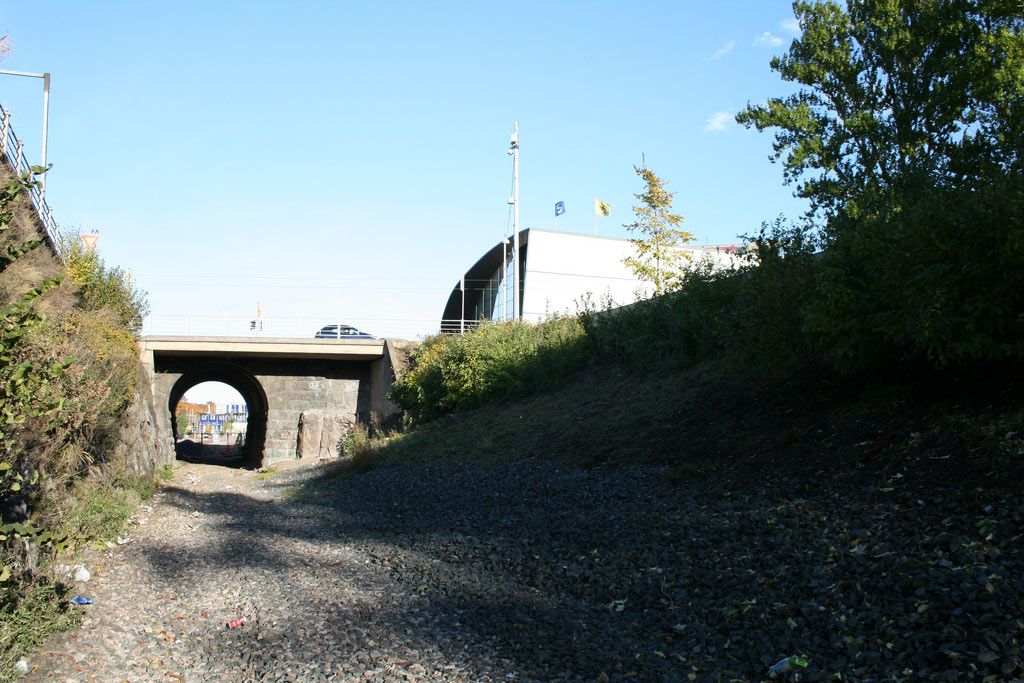
Baana, by Lewism
However, we're a little disappointed that the CIty's planning department has done little to ensure the project realises its potential. Currently, the 'design' implies a bike lane and pavement. Contemporary city making has long since left behind the idea of city planning departments that deal simply and solely with the physical aspects of infrastructure. To make such a space really sing means engaging with the productive capacity of cities, forging connections to the businesses and community groups that might provide the framework for the activity that happens at Baana. You start with this, and design the physical infrastructure as a flexible platform to support the multitude of activities that a city generates. This means planning can only work as part of a rich mix of approaches, just as with most single-discipline departments forged for another age. More successful approaches are now fundamentally human-centred; we don't make cities in order to make infrastructure, after all. It is a secondary, supporting function.
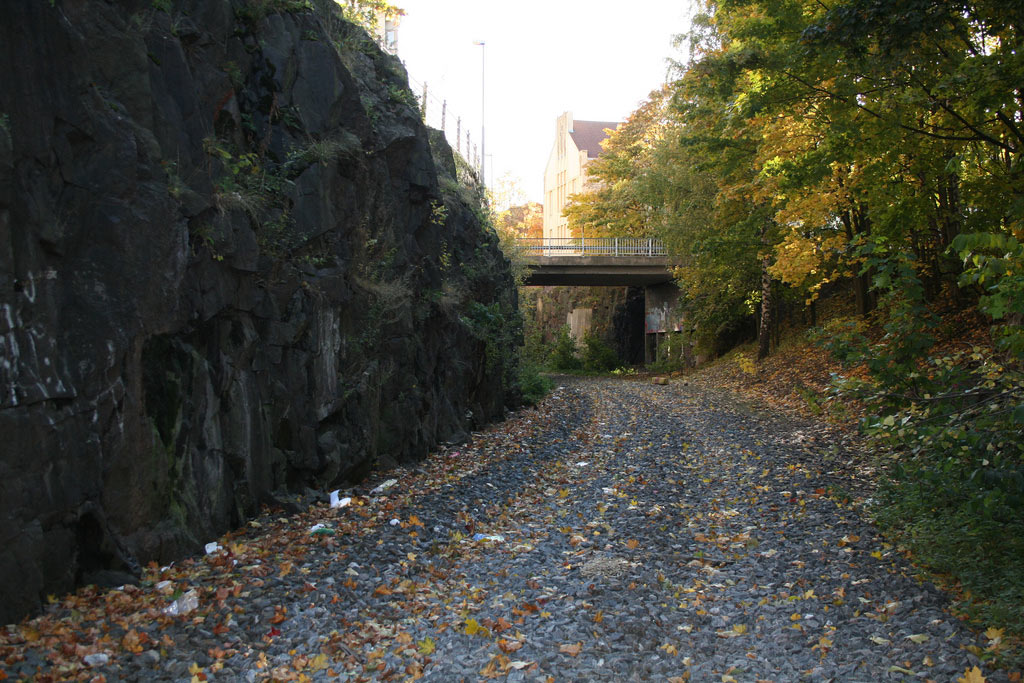
Baana, a few years back, by Lewism
In other cities, where such projects are much tougher to get off the ground - the City of Helsinki owns much of Helsinki, and has healthier finances than most - these kind of holistic, productive approaches are actually required in order to get things done, necessity being the mother of invention. Here, we often can skip all that, and go straight to the project, which is an incredible luxury (at least for the moment.)
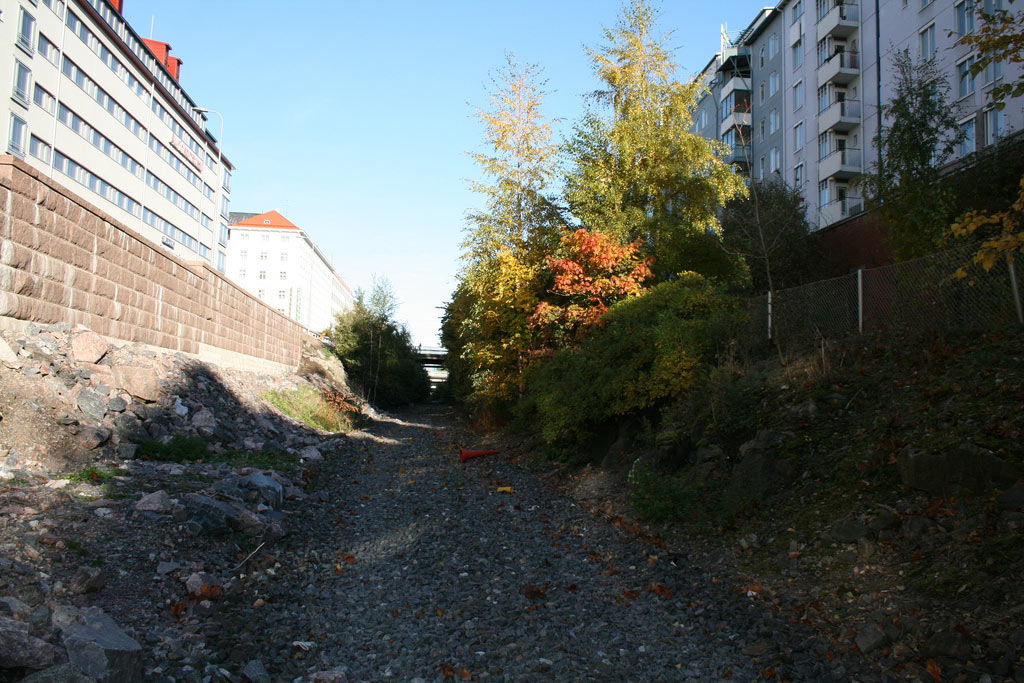
Baana a few years back, by Lewism
But with that luxury has perhaps come a little complacency. For a project that could help change the way that Helsinki works, the way it feels, the way it is, there is little attempt to make the project truly come alive, to engage with the social, cultural or economic possibilities, to communicate its potential, to open doors to new kinds of citizens, new kinds of uses, a new kind of Helsinki. Such projects have to work in the context of a holistic urban strategy, delivering multiple forms of value. (It's instructive - if unfair, due to the differences in density, local cultures and history - to compare with its inverted cousin a couple of seas away: the High Line in NYC, not least in terms of the poetry of playing with existing parasitical foliage, for instance, but more importantly, the community-led engagement, economic potential realised, diversity of activities, and quality of resolution. Equally, it's easy to critique the High Line, and the last thing one should do is copy-paste ideas from city to city. Helsinki needs to find its own response to this gift.)
It is not enough to simply make a bike path (writing as a bike rider.) And a poorly-rendered 'fly-through' of unoccupied polygons, illustrating only said bike path and a pavement, is not enough in 2012 either. We need to rethink how the city approaches such opportunities. Like any good city, Helsinki is blessed with numerous such possibilities and has had the courage to take many of them on. The challenge now is working with qualities, not quantities.
We can only assume that this is part of some broader, richer strategy for the space, focused on activity, diversity, mobility, productivity and community, rather than asphalt. If this is the case - and surely it must be? - one still has to communicate that, as part of an engaged relationship with citizens and the city, or as evidence of the strong and enriched social contract we're proud of in the Nordic region. Beyond civic responsibility, it is also the way that one begins to build participation and momentum, such that the city pours itself into Baana, flooding it with ideas and energy. Ravintolapåivå indicates what can happen you engage this city. (It's a shame the local media doesn't pick up on this either; luckily we've got new media.)
Still, it will be good to have access to it at last, and over time, the city will do what cities do to things, which is find their own use for it, to paraphrase William Gibson. It's just that things usually turn out better, quicker and richer when positioned with a little thought and care.
I started this piece noting the snowstorm in Arabia, at Aalto University (I like Helsinki; you get to say "snowstorm in Arabia" quite often). However, the weather has been spectacular, all week, and combined with the increasingly light days, is leading to a sense that we are rapidly climbing out of the state known as winter. My colleagues assure me this is a little early, however, and we may be simply getting into something known locally as 'takkatalvi' (I think that's right), or the 'rear end of winter.' This might be the wintry counterpart of what we call an 'Indian summer' in English. Not to put too fine a point on it, winter here appears to have a rather large rear end. I remain booted and suited accordingly.
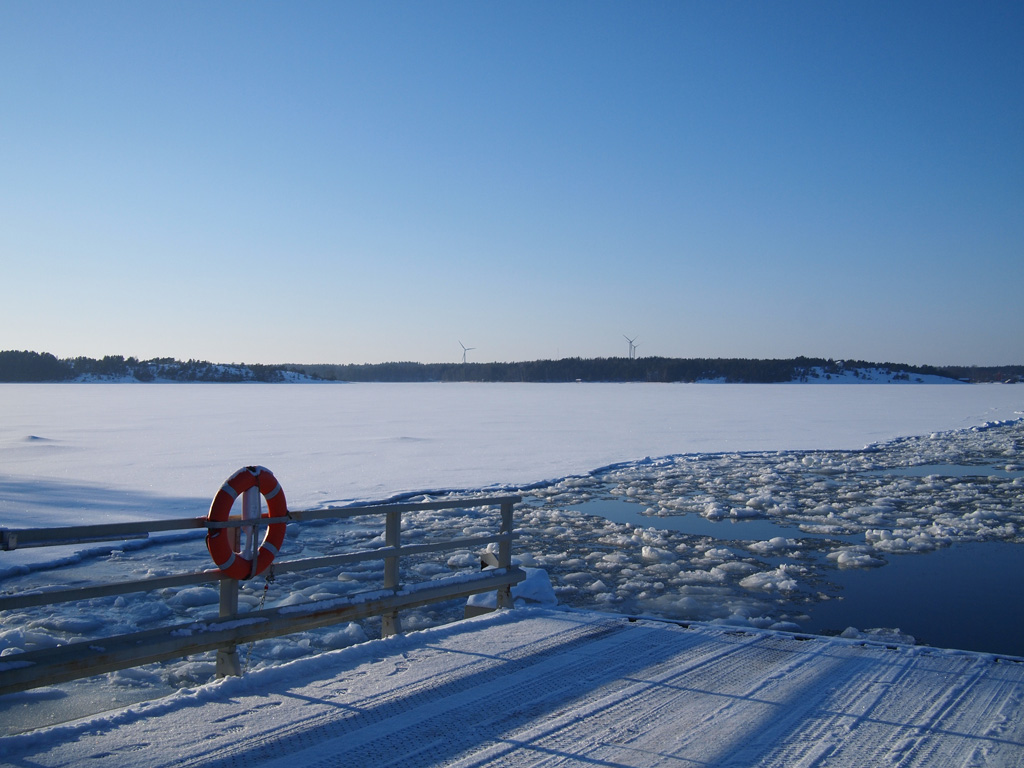
Tilting at windmills.
If you look very very closely at the photo above, you'll see a string of windmills on the horizon, set against the perfect blue sky. This is Högsåra, an island that forms a small part of the archipelago that stretches from Hanko to Turku in south-western Finland.
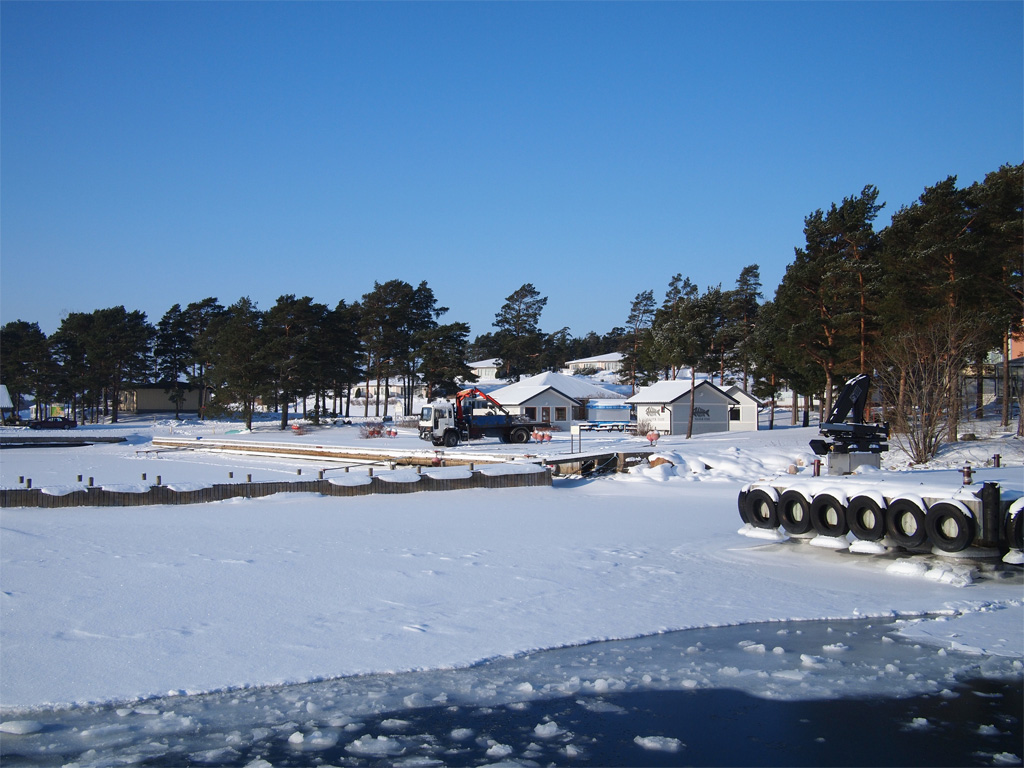
Kasnäs, western Finland
We're here to better understand the local decision-making cultures and stories - to explore how these wind turbines got up, including the resistance to them as well as those in favour. But our focus isn't wind power per se; we're looking at this case as it helps frame the wider debates about how to transition Finland to a more sustainable 'bio-economy', as our colleagues in Sitra's Maamerkit ('Landmarks') programme call it.
So we're interested in how communities might balance the desires of individuals with the desires of the wider community, the role of authorities and institutions as well as communities and industry, how we might reorient elements of bureaucracy such that they are more 'user-centred', how to use the powerful enablers of new communications platforms, alllied to the increased appetite for local engagement in decision-making, and so on.
We've also been to the port of Hamina in eastern Finland, towards the Russian border, as described by Bryan a couple of weeks ago. In both Hamina and around Högsåra, we interviewed several of the key protoganists in both stories. More to follow.

From the ferry
Our expedition team - currently Bryan, Karoliina Auvinen, and Nina the interpreter (who in Rosala was translating in three languages simultaneously: English, Swedish and Finnish!) - visited both places. As a side note, in a country as big as Finland and with a history as rich as Finland, it's fascinating for a mere immigrant like me to observe the differences between the Swedish-speaking western Finland as compared to the influence of Russia to the eastern side, and then with Helsinki, where we're based, caught in the middle. There are numerous cultures of decision-making at play here, even in a country of only 5.5m people.
Developments like wind farms, which can often be contentious for some, place these decision-making cultures under a microscope. But we'll also be roving around Finland a little, looking at other case studies, as well as exploring international examples of new kinds of decision-making that might enable more resilient economies - in the widest sense of the word 'economy'.
And then we will be building something, working with some local communities in Finland, perhaps prototyping a new kind of decision-making. Please do send us any examples you think might be relevant - it's a broad topic, so there is no chance we'll have all the right angles covered, particularly at this stage.
(From an organisational point-of-view - not that you need care! - it's also gratifying to see three Sitra teams (us at Strategic Design, Maamerkit and Energia) coming together for this project, as it helps flesh out how our new organisational model might work, with a new emphasis on doing projects, run by multi-facted project teams within broad and connected focus areas. It also builds on a long-term interest of mine in civic participation, which I summarised in this entry on 'emergent urbanism' a couple of years ago. My now colleague Bryan had, unbeknowst to me, started working on similar themes, building on the promise of Kickstarter. I would then build on this idea of 'a Kickstarter for development of shared spaces and resources', dubbing it Brickstarter, our informal working title for a while. Meanwhile, our colleagues in Maamerkit were also getting interested in terms of how to turn NIMBY into YIMBY, as regards bio-economy development. All these threads have now converged in this project. Funny how things work out.)

The other reason to mention Högsara - and Kasnäs and Rosala - is that it was startlingly beautiful. A simply stunning day, with endless blue sky over endless snow-covered frozen sea. Sadly, the Baltic is now so polluted that the traditional trade of fishing is no longer tenable here (at a Mistra event in Sigtuna, I heard the director of the European Environment Agency clearly outlined it was a matter of 'when' not 'if' the Baltic will collapse.) So, as beautiful as the area still is, the place needs to find new opportunities for locals. It's hard to credit when you're faced with these pristine images, which hardly do justice to the scene, but there are significant challenges facing these small dispersed communities, amidst the other 190,000 islands around the coast of Finland. Another reason why this project is fascinating.
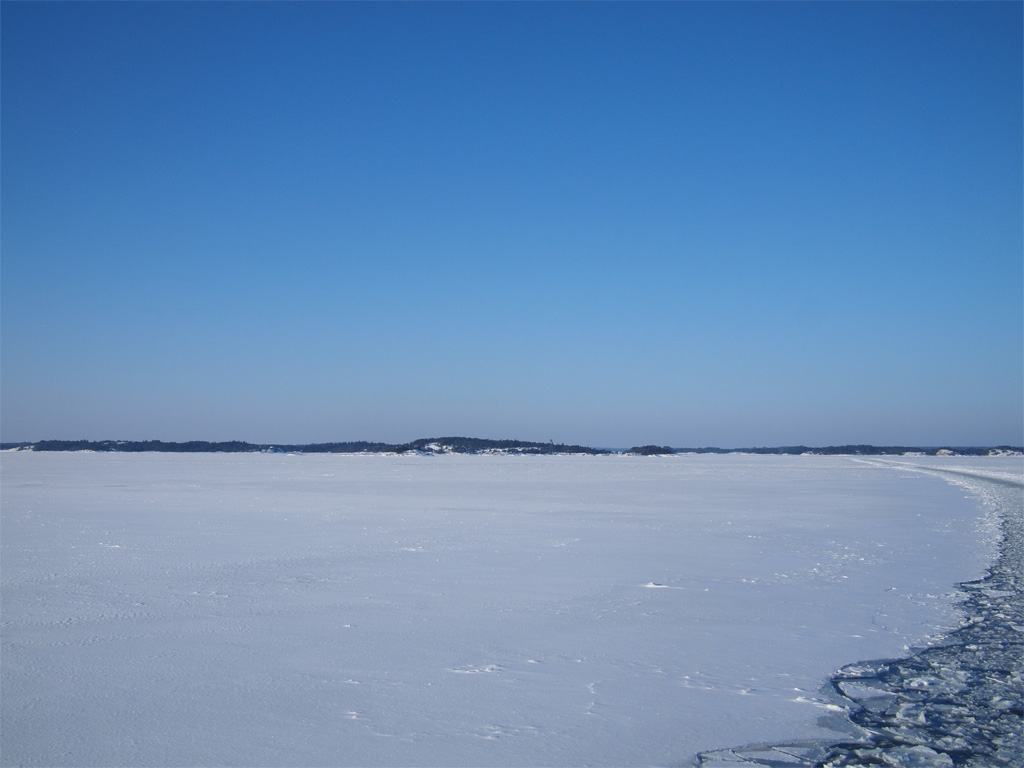
From the ferry
In other news, the 'Helsinki Street Eats' book nears completion - yet again! But we're close now. And our discussions with the City of Helsinki over street food are getting interesting. It looks like this NIMBY>YIMBY project above will be joined by work in food entrepreurship as major new projects this year, alongside the existing Design Exchange, Low2No and Helsinki Design Lab.
And just on Design Exchange, Sara Ikävalo, the designer that we've worked with City of Lahti to 'place' into a forthcoming urban development project, joined Marco and I for a good planning session on Monday. She's hit the ground running and we're working on getting a blog together for that project too - there's already plenty to report. I'll skip the details for now, but - quietly and steadily - Design Exchange is one of our most radical projects in a way; placing strategic designers at the heart of government. A real test! More to follow, though, as Sara is already making a difference.
A good, productive week.
The 'Exchange' project we've been referring to for a few months emerges a little, blinking in the shallow light of a cold December morning. We're looking for a strategic designer, with particular experience of urban and participatory design processes, to help design a new participatory design competition model for the development of the train station area in downtown Lahti.
It could be you! If you have a combination of excellent Finnish and some experience of architecture/urban planning, participatory processes and ideas competitions that is.
Bryan built a page at where you can find out more details and how to apply.
(This is a direct test of our notion that embedding a strategic design capacity at the heart of organisations makes the difference. It's a joint project with TEM, World Design Capital Helsinki, and City of Lahti, and hopefully the first of several similar experiments.)
Secondly, the City of Helsinki's Food Culture Strategy project manager, Ville Relander, dropped me a line about the former slaughterhouse building project he's been working on (an incredible space seen here back in June).
The first spaces in these premises are now becoming available for rent and Ville, and the City, are looking for "gastropreneurs" to apply - more info here. (The site's only in Finnish at the moment, so if you're not a Finnish speaker, get into Google Translate and see what you can do. Alternatively, get in touch with Ville directly - he'd be happy to answer any questions.)
Ville's showing people around the space tomorrow (Friday) 9th December at 1300 and again on Wednesday January 11th at 0900. Again, do get in touch with him directly to find out more (contact details at the bottom of this page or try Facebook, LinkedIn etc.).
First dusting of snow this week. Exciting!
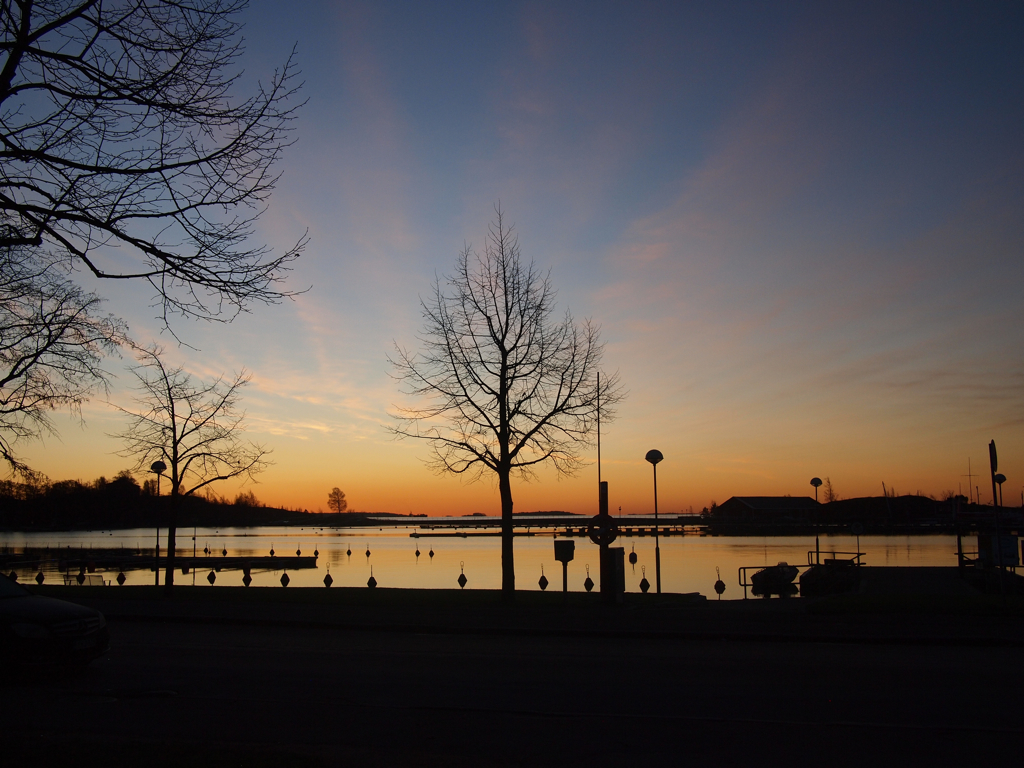
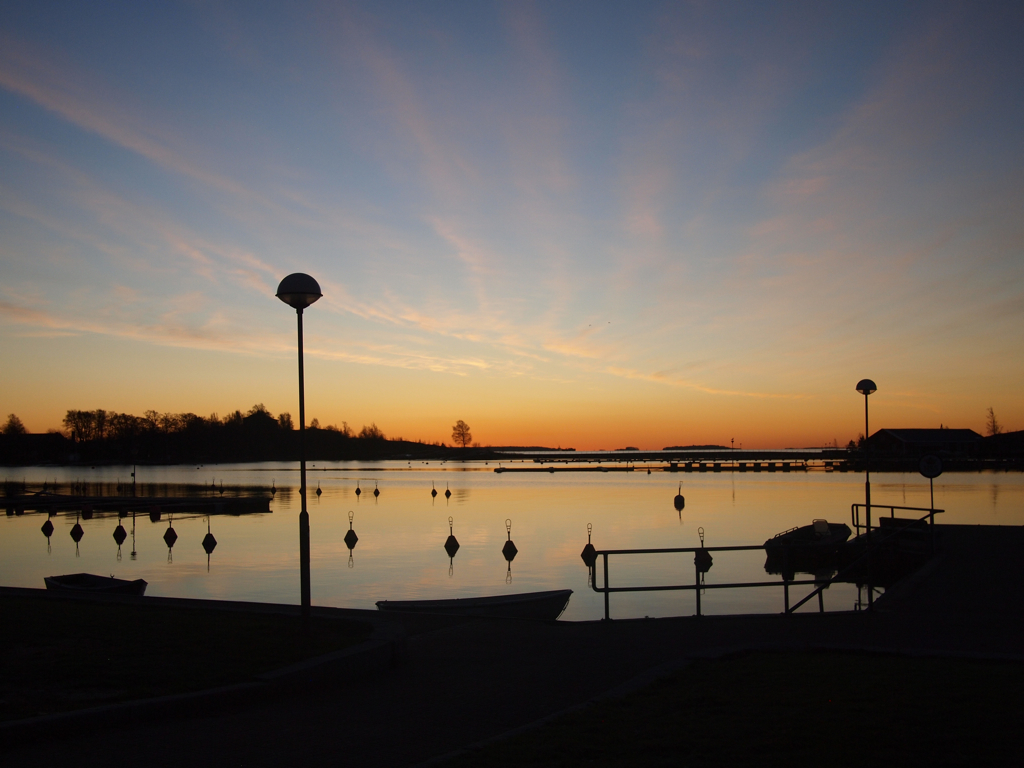

Eira, Helsinki, 0830
This was the view in Helsinki (Eira, specifically) this morning as I dropped my kids off at päiväkoti (daycare). For a relatively new Helsinki resident, the sun appears to be doing some extraordinary things - hanging low in the sky for a few hours, and so bouncing off the Baltic at oblique angles and shrouding only the skyline of the city in a canopy of sunlight that just floats at the top of buildings. November, which roughly translates in Finnish to “dead month” I believe, is traditionally the grottiest month, all rain, cold and darkness before the snow comes to bounce the light around more. But so far it's relatively benign, almost mild. Almost.


Anyway, last week was spent picking up the pieces after the aforementioned Australia trip. I was able to spend a little time with Marco, who was largely knee-deep in stewarding Low2No and Exchange towards the end-of-year finishing line, trying to keep intent intact in both.
Justin and Bryan were in the USA, working on the NYC and Boston book launches for In Studio (both of which have now occurred, and went well by all accounts). Bryan and I managed to catch up about our work reshapng our office space and culture, with Tapio. We’re trying to prototype a new organisation, in line with our new strategy processes with Paula + team, through prototyping new approaches to spaces and systems.
I spent some time on this, and some time on Low2No also, eating up a forthcoming workshop with Arup, Experientia and Granlund, hoping to take the vision down a notch towards strategy; or really, a set of projects which exemplify and unpack the strategy.
Also, much writing. Not least for an upcoming shortish book on strategic design, picking up some of the leads from In Studio; it will include a short diatribe on why I think design thinking is largely a dead-end (before you send me hate-mail, please note the active modifier “largely”.)
I was also lucky enough to receive a visit from Seoul’s Hope Institute, who are perhaps the premier social innovation outfit in South Korea. As usual with these social innovation types (see last week) lots of overlap in terms of intent and approach. Thanks to Sunkyung and Yang So for swinging by on the way home. (Finnair’s strategy of making Helsinki the best European hub for Asia can really work in favour sometimes.)
Nice also to see Patricia McCarney, from the Global City Indicators facility, a colleague from the HDL Sustainability studio team, who was also in town briefly as part of a panel for an architectural competition.
I also had a coffee with the intriguingly anonymous blogger behind Jees Helsinki Jees, one of the best Helsinki0based blogs in terms of unpicking and critiquing the way the city is working. Or not. Sharp, acerbic and informed, it's good to see this kind of contribution to the conversation in a culture which can tend to shy away from uncomfortable topics. Her posts on parking regulations are worth the (free) price of admission alone.
And last but far from least, a really good meeting with the City of Helsinki, of which more later hopefully.
Finally, a new project from one of the world’s most interesting design firms (disclaimer: also good friends) BERG London, which subtly, wittily, playfully, respectfully and just plain smartly connects digital stuff to everyday physical contexts, habits and experiences in a way that has previously been beyond, well, most. Welcome, Little Printer.
Late late late, always with the weeknotes. I do apologise, not least to my more productive colleague Bryan, who is always on time with his weeknotes DAMN HIM. Bryan, Justin and Marco spent most of the week on Low2No here in Helsinki, while also setting up the forthcoming New York and Boston book launches for our In Studio: Recipes for Systemic Change book.
As for me and my tardiness, I can only point to the impact of a 4.5-day trip to Australia. I'm a member of the South Australian government's Integrated Design Commission Advisory Board, and we were due a meeting. As that's a long way to go for a meeting, every other minute was accounted for with some form of productive activity, save a jetlagged dawdle around Darlinghurst which I mentioned here.
Darlinghurst, Sydney
The advisory board is good: it also features John Denton of Denton Corker Marshall (non-Australian readers may know their multiple-award-winning Manchester Civil Justice Centre building or their work at Stonehenge), plus the writer/critic Elizabeth Farrelly, who I'd long wanted to meet, as well as Dr. Graham Hugo, Prof. Catherin Bull, Prof. Janice Birkeland, Assoc. Prof. Joanne Cys and Jim Hallion from SA Dept. of Premier and Cabinet.
We have a good session in the morning discussing progress on strategic campaigns like Adelaide's 5000+ urban renewal/city redesign project, and how to link, say, a particular riverbank project to wider strategic change that might stretch right across South Australia (I'm always looking for Trojan Horses!)
Hot Adelaide
In the afternoon we visit two local productive centres—Adelaide College of the Arts and The Jam Factory. Hearing the staff talk was fairly inspirational, as was seeing the students, craftspeople and artists at work. The live glassblowing at the Jam Factory was quite a blast, though it did occur to me that the heat outside on the street was approaching that of the kiln inside. Quite different to the Helsinki I'd left a few days before (although I'd seen similar scenes in a lovely archive documentary piece about the great Finnish designer Kaj Franck at an exhibition at our Designmuseo a few months ago.)
The work that Integrated Design Commissioner Tim Horton, and State Government Architect Ben Hewett, are doing in South Australia is really interesting. They're closer to government than us i.e. actually embedded within the core of Dept. of Premier and Cabinet, but it's one of the few other projects we know of worldwide beginning to build a strategic design capacity at the core of government. Thanks to Tim, Ben, Sky, and the rest of the team for a good couple of days.
I was also hosted by the Australian Centre for Social Innovation (TACSI) and much thanks to them as well, especially Sarah Stokely and Brenton Caffin. I had a good private session with them, also in Adelaide, and their projects—especially Radical Redesign and Family-by-Family—are well worth checking out. Again, fantastic work.
TACSI also co-hosted a public lecture I gave in Adelaide with the IDC, as well as a 'Social Innovation Dialogue' seminar I ran in Sydney (this was also a joint effort with Australian Social Innovation Exchange, whose Steve Lawrence came through Helsinki a few weeks ago, and was moderated by the great Martin Stewart-Weeks.) (Thanks to Alex Roberts at the Australian Government's Public Sector Innovation site for a nice write-up).
Darlinghurst, Sydney
All that plus an interview on Radio Adelaide's show The Plan, with Angelique Edmonds (it's the South Australian version of Melbourne's essentially peerless 'The Architects', on Triple R) and a newspaper interview too. Phew.
Back in Sydney at the end of the week, I caught up with Gerard Reinmuth, a principal at one of Australia's most interesting architects' practices, Terroir (based simultaneously in Sydney and Copenhagen, as well as on the twitters.) Gerard is also Practice Professor on the Architecture at University Technology, and so I spent a enjoyable if challenging last day in Australia as part of a panel reviewing work on the course Gerard has been teaching over the last few months (panel also included John Choi from Choi Rophia and David Neustein of various. Strategic issues were also to the fore here, as the project was a Sydney-based detention centre for immigrants (talk about a loaded topic); but also much discussion of the particular qualities of building and site. Another excellent project.
So that was week 139 that was.
Notes rather than thoughts/links this week, if you don't mind. First up, a few meetings.
Bryan and I caught up with Ville Relander, the City of Helsinki's PM for their Food Culture Strategy. Many, many ideas spinning out of that one, as food culture is one of the most exciting and rapidly moving development areas in Finland. Equally, food is a way in to so many everyday systems: local culture, logistics, entrepreneurship, national identity, immigration, sustainability, service culture, retail, smart systems, production, industry, popular culture, urban planning, health, education, waste, the relationship between urban and rural; it's all in there. It's a key area for us, in terms of systemic change. We look forward to working with Ville on this.
(Incidentally, we met at Kluuvi, the newly-opened complex in the city centre, which is worth a look. Not least the excellent Eat&Joy Maatilatori (farmers' market) in the basement.)
Sitra also hosted a visit from Fundación Chile, one of the few organisations with a similar remit and position to ours. As part of the visit, Bryan and I met with Francoise Tirreau Glasinovic and Alejandro Tocigl.
It happened to be a rather beautiful autumn day, so we took Francoise and Alejandro for a walk around the harbour from Ruoholahti to Moko on Perämiehenkatu. Although there are key differences, the similarities between our organisations are manyfold. We talked for a couple of hours and we were probably only just getting going. Key areas of interest included different tactics for overcoming the tendency of project teams towards silos, or conversely towards proliferation of project ideas, and how to measure multiple forms of 'capital' from investments and projects, such as those suggested by concepts such as shared value. And so in turn, how to decide what to do in the first place! Many thanks to Francoise and Alejandro for dropping by and for the great conversation—we will continue the dialogue.
The strategy and budgeting process rolls on, and fills many of the gaps left between these conversations. We're knee-deep in it, but the end of the beginning is in the sight. It was good to hear that we (Sitra) had a very well-attended external stakeholder day recently, providing strong input from outside. Bryan and I will be working with our colleague Tuula to ensure all these conversations turn into useful tools for the organisation.
In between all that, it was a week of engagement through events. Marco was in Taipei for much of the week, at the 2011 International Design Alliance Congress, presenting Low2No and taking part in a panel on urbanism. Justin was at DMI Design Management Annual 36: Design at Scale, in New York (and good to hear from Justin that old friends Jake Barton and Nicola Twilley were on top form.) Bryan took off for Buenos Aires for the Centro Metropolitano de Diseño for various events, including giving a talk at the Design Festival, and general scouting. I was holding the fort in Helsinki all week, but will report back on last week's Tallinn conference shortly, and prep for next week's trip to Sigtuna for a Mistra gathering.
I did however give a talk at Nokia on Friday, to their design team (Marko Ahtisaari invited us, after we attended Joi Ito's talk a few weeks back.) Interesting times at Nokia, given the announcement of their new phones the day before. It remains to be seen whether this is a comeback, but there are always some smart cookies there, and the Lumia/Asha/flexible concept phone combo has already changed the conversation around the company. Thanks to Matt George for hosting, and organising a good crowd.
MIT Press!
While out and about, no doubt preparing for Snowtober, Justin also snapped this pic of In Studio in situ at MIT Press, in Cambridge Mass, which means of course that you can buy it there. As reported last week, it's getting out there. Do keep your feedback coming in—it's invaluable learning for us.
At DMI NYC, Justin had given a quick welcome/overview to DMI Helsinki in 2012. On related matters, congratulations to Cape Town, winner of World Design Capital 2014.
Helsinki is next year's WDC, and as with the Finnish winter, we are beginning to sense its imminent arrival. Preparations and planning are beginning to transform into activity, and it will be fascinating to see what it feels like on the street. I remember being impressed with how Victoria's State of Design festival was so vividly present in the city of Melbourne, rather more than Sydney's Design, say (no fault of the very capable Sydney Design organisers by the way; just some key differences in levels of funding and particularities of urban fabric and culture.) It wasn't so much painting the town red as turning the city over to design for a couple of weeks. It's a challenge to sustain that for an entire year, but the programme for Helsinki WDC look to be nicely diverse at this point.
More to follow on Sitra's involvement with WDC Helsinki.
And following last week's links to reports from inside Occupy New York, this from inside Occupy London, by Madeleine Bunting in today's Guardian. From "architecture of consciousness" to "key symbolic public space".
A mixed bag of links, reports and observations this week.
Although it's just been found to be in fine fettle in terms of its core missions (link; Finnish) Sitra is looking at its new strategy for the next few years. We're all getting heavily involved in that process—as the Strategic Design Unit, we sit in Sitra's internal strategy function, headed by Paula Laine.
We're also heavily involved in reviewing the design documentation for one of our core projects, Low2No. Justin is stewarding that complex process through, which is not easy given the complexity of the project and the number of stakeholders involved. Note also Justin's writing about some early indications of potential systemic change emanating from Low2No, in terms of other timber construction projects beginning to spring up in Finland.
Bryan was in Romania for a seminar and workshop - he'll post separately about that in a day or so. Marco has been buzzing around the city, meeting potential partners across various projects. Some exciting developments there, potentially around the aforementioned and still mysterious Exchange project.
I've been working more on the Street Food briefing—including spending an early Saturday morning tramping around Helsinki's streets filming somewhat disgusting discarded detritus from Friday's night's various grilli nightclub collisions. More to follow on that. The footage should balance my recent ode to Helsinki, that's for sure.




Earlier in the week, Bryan and I had a great meeting with Steve Lawrence, Executive Officer of the Australian Social Innovation Exchange (ASIX) who was passing through town. Despite our different backgrounds, we had lots of shared vocabulary, interests and approaches, which was very heartening. Steve had also carefully read In Studio, and had a series of dauntingly perceptive questions for is. It made for a rewarding lunch; thanks to Steve for popping by. Which reminds me, if you're ever in our neck of the woods, do get in touch - we're always interested in people doing similar work.
Finnish education made headlines in the US last week, some of it here in the Washington Post and some of it here on CNN.
It's a real success story for the country (not least for this dad with two children in the Finnish system!) but one which was also the focus of one our studios last year. Bryan and I in particular are spending a fair amount of time discussing the so-called 'Nordic Model' (see Mary Hilson's book, which I'm reading) and how these broad 'spirit level' systems (see also healthcare, and many other aspects of Finnish daily life) can continue to develop and progress, drawing in external sparks of innovation and accessing new funding models without losing their incredible ability to provide high quality service provision right across the population.
On a personal note, my wife and I had a parent-teacher meeting at our kids' päiväkoti (daycare) recently, which was a) as close to group therapy as I'm ever likely to get (in a good way), and b) utterly instructive and encouraging about the teachers' careful, considered but ultimately warmly human-centred interest in kids exploring their emotional range, their natural environment, their physicality, their social ecosystems, and so on, with barely a direct mention of literacy and numeracy. That comes later, as the PISA results indicate.
Switching gears, it's been extraordinarily thought-provoking to see the Occupy protests spread around the world this week. One of our core concerns is the apparently increasing lack of faith in governments' ability to deliver solutions to today's complex problems (and this despite Silvio gettting a vote of confidence).
That's partly what seems to be playing out here in the Occupy movement, but was also present in the riots in the UK earlier this year, in various aspects of the Arab Spring, and in protests on the streets of Athens, as ell as in numerous other less visible arena. We're interested in understanding the various cultures of decision-making at play at the moment, and in recent history, and in deploying projects which begin to explore various alternative trajectories for governance, at all levels. Anyone interested in this work, or with something to say, please drop us a line.
In terms of toolkits rather than attitudes, visualisation is another of our core interests, so it was also interesting to read another article in The Guardian (NB: other news sources are available), concerning the quality and range of data visualisation on offer, in the light of recent critiques. Personally, I'd agree that many examples of information and/or data visualisation are indeed the mullets of the internet. Yet a good visualisation can engage, focus and stimulate dialogue like few other media. Embedded in that Guardian article, check the (WWF-style-not-really) face-off between David McCandless and the legendary Neville Brody.
As Bryan mentioned last week, our work featured in The Guardian. It's been interesting to observe the reaction to that—largely positive, for which thanks—and how it grew and diversified over the week. One aspect of that discussion within the design discipline concerned picking apart the difference between strategic design, design thinking and service design. To me, these are all quite clearly different aspects of design, albeit with occasional overlaps. To other people? Not so much!
As it happens, I'm writing something that will try to pick that apart a little, at least at an initial level. I'm pottering away at this in the mornings before work (whatever "before work" means), usually at the excellent Gran Delicato café. The text should be out later in the year, all being well. Will keep you posted.
In terms of other ripples from the article, see also this Spanish translation of the piece. We're thinking of making 'La crisis es el momento de que entre en juego el diseño' t-shirts accordingly.
And finally, some links.
A favourite landmark here in Helsinki is the Hotel Torni, a sort of mini-me Empire State from 1928, which is crowned by a fabulous viewing deck. Legend has it that this was designed for mooring airships to, such that airborne visitors from Paris or Berlin, say, could elegantly descend from the airship (somehow?) directly to the bar for a civilised long drink during the white nights. This image is rarely from our minds, for I hope obvious reasons, along with the notion that surely it's time for the return of dirigibles to our skies as passenger aircraft. As a result we found ourself gazing longingly at these wonderful vintage images of the USS Akron and Macon. Unlike the airships intended for Hotel Torni's mast, Akron and Macon were airborne aircraft carriers, from which aeroplanes would enter and exit through a 'plane-shaped opening in the ship's skin (reminiscent of Wile E. Coyote-shaped holes in various other objects). This, they would do via a trapeze. Yes really.
USS Akron

Training plane on USS Akron trapeze
Construction of USS Makon
Main ring design: Hindenburg vs. USS Akron
And I cannot get this data-point out of my head: apparently, during the recent Blackberry outage, traffic accidents in Abu Dhabi dropped by 40%. Oh humanity! A distressing, almost visceral illustration of the interconnectedness of systems across boundaries.
Humanity is partially redeemed by this exploration of abstraction by Bret Victor, however, which has beguiled a few of us all week.
Finally, if you've ever wondered how we open doors here in Finland, it's like this. Or at least it was in 1979. (Press the CC button at the bottom of the video for subtitles, if your Finnish isn't up to scratch.) Do not be a bad door opener.
This week's diaries look much the same as last week's. Another launch event for the HDL In Studio book, but this time in London.
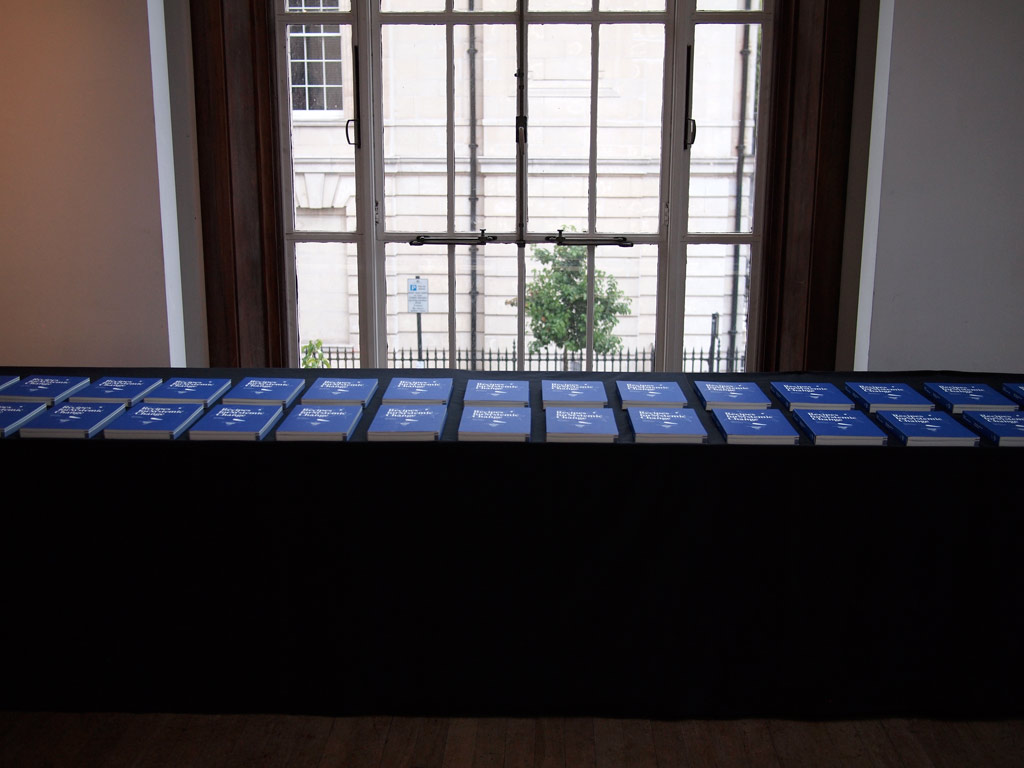
HDL In Studio books waiting to be launched.
Before the launch though, Bryan, Marco and I take part in a roundtable on 'getting systemic change done'. We'd jointly organised the event with E3G, who hosted it at their Southwark HQ. We actually started on Monday night, pulling most of the participants together for dinner. (We often like to use this tactic of the-dinner-the-night-before; it breaks the ice in a natural, convivial way rather than through some dreadful exercise in which people are forced to suggest what kind of animal they would be if indeed they were an animal. It also enables people to tentatively pitch a starting position and rehearse some of the conversation. And it means you can hit the ground running in the morning. Plus, it's dinner.)
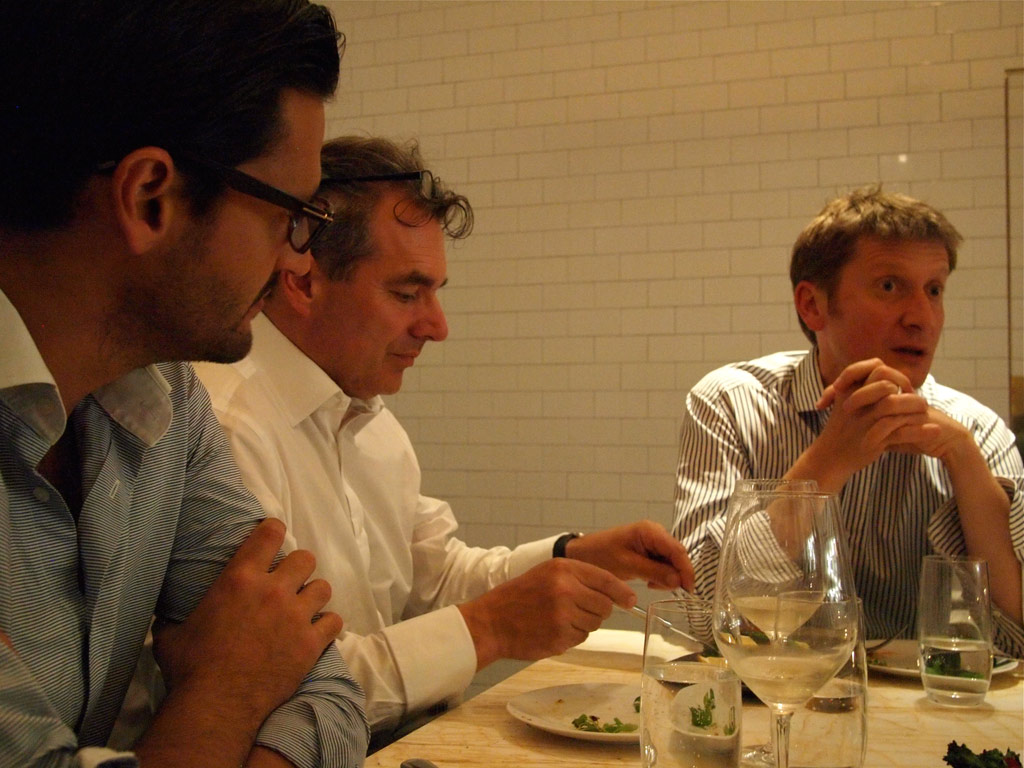
Alejandro, Peter and Marco.
Kipper, Bryan and Dimitri.
Sam and Nick.

Me, Alejandro and Peter.
And Tuesday was excellent. Participants included Alejandro Litovsky from Earth Security Initiative, Sam Bickesteth from Climate and Development Knowledge Network, Kipper Blakely from Social Investors, 00/The Hub's Indy Johar, E3G's Nick Mabey, Malini Mehra from Centre for Social Markets, Peter Sharratt from Deloitte, and Dimitri Zhengelis from Cisco/LSE Cities. It was a long but fruitful day, with the morning spent presenting and comparing case studies, and the afternoon spent poring over the common ground.
Indy and Marco.
Malini and Alejandro.
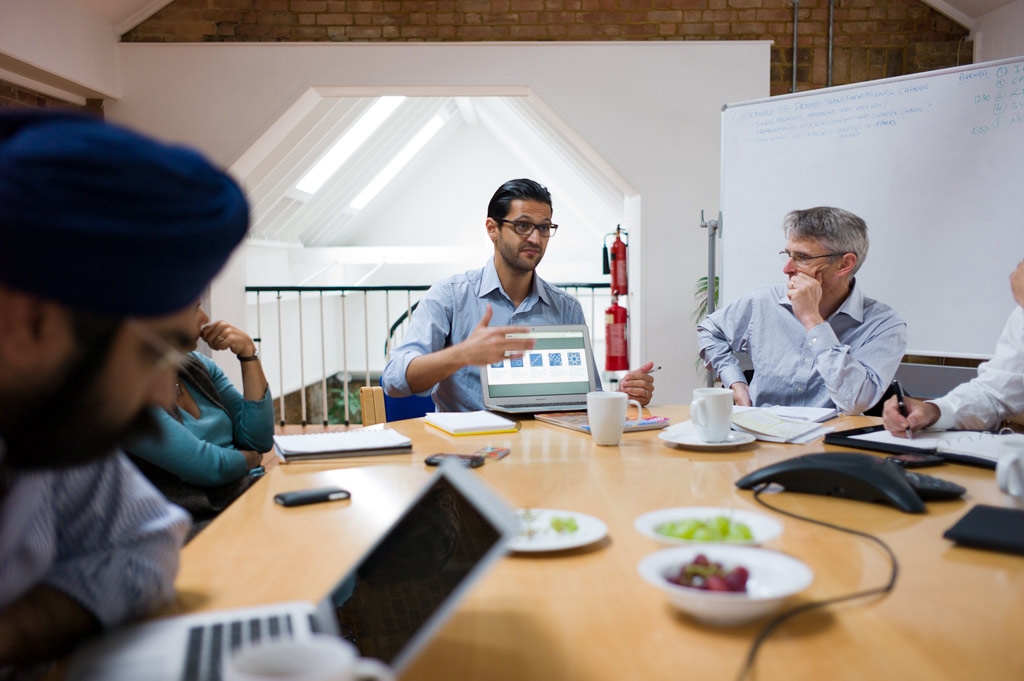
We banned Powerpoint for this session, but made a small exception for Alejandro's diagram.
With much of the group talking about inspirational change projects around climate change, sustainability and government, often from the context of exerting change from 'outside' a system, I decided to present a contrast, talking about my work at the BBC, around the iPlayer on-demand media service. This was a form of design work conducted from deep inside an organisation; sometimes instinctive, sometimes tactical, sometimes strategic.
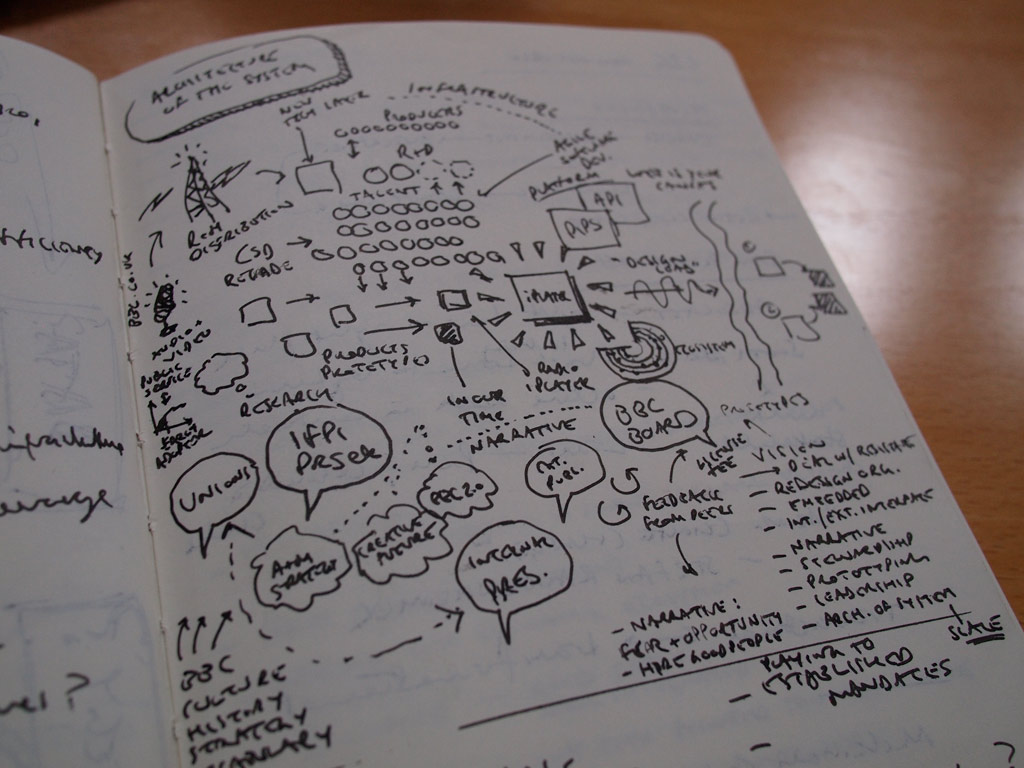
Notebook sketch of iPlayer 'architecture of the problem'.
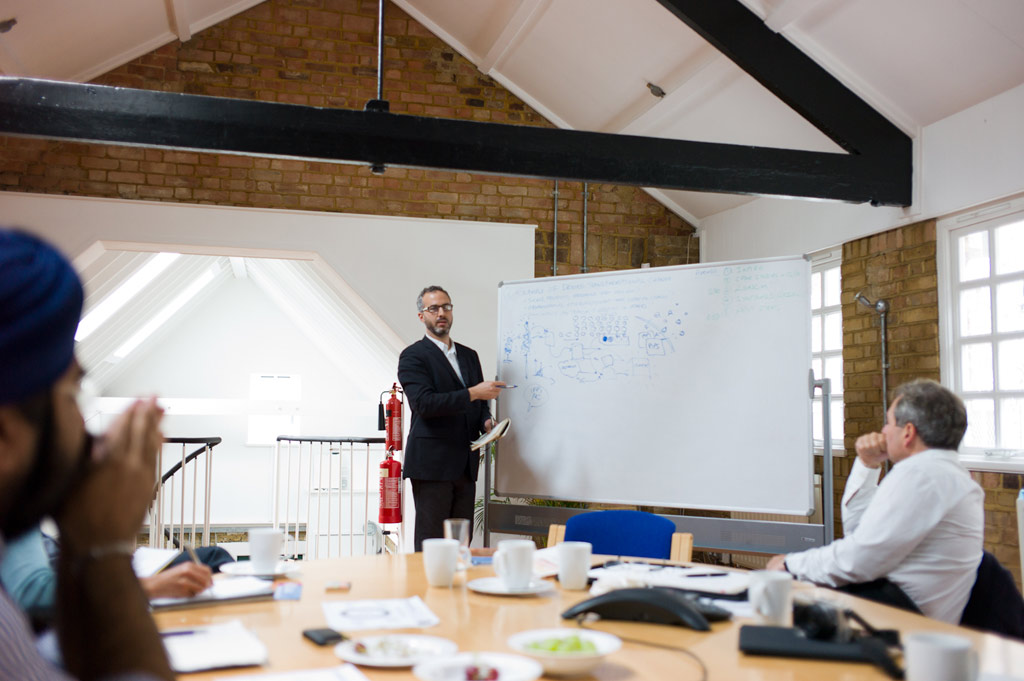
Me, whiteboarding.
This preparatory sketch from my notebook, scribbled over breakfast, really represents the tip of the iceberg in terms of design of both context and product. I transferred the diagram to the whiteboard as I told the story, in order to give a sense of how messy, complex and multi-dimensional this embedded design work can be. I never thought of it as "strategic design" at the time, and indeed though it's quite different to much of the work now, there are many shared elements—not least as these services do represent a form of systemic change, albeit with different purpose.
Ultimately, this was a demonstration of understanding 'the architecture of the problem', as we would now call it, or how contemporary media works as a system (see some earlier thinking about how contemporary media works) and how that connects to organisations and culture. This was beyond editorial concerns; that the design of media systems and organisations themselves was the strategic act that would alter the greater system.
Indeed, though it was a deliberate choice as contrast, what was interesting in the morning's discussion was seeing how much commonality there was between case studies and discussions. The others round the table presented some fascinating projects, ranging from the UK's Green Infrastructure Bank to The Hub project, via case studies from South Africa, India, Thailand, UAE, Argentina and of course Finland.
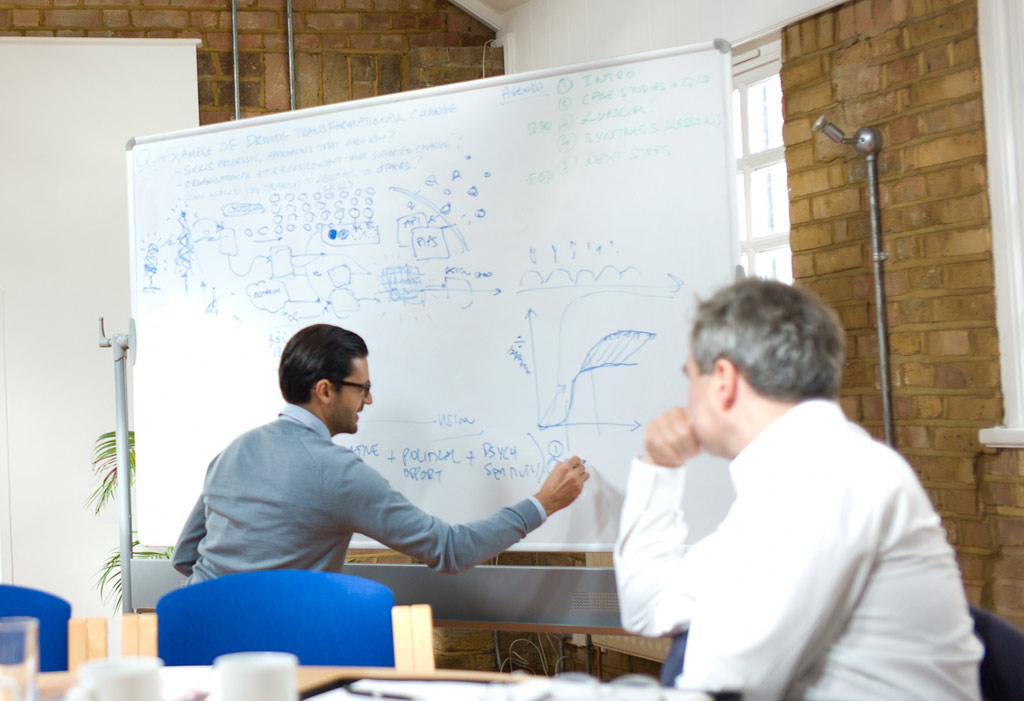
Alejandro, whiteboarding.
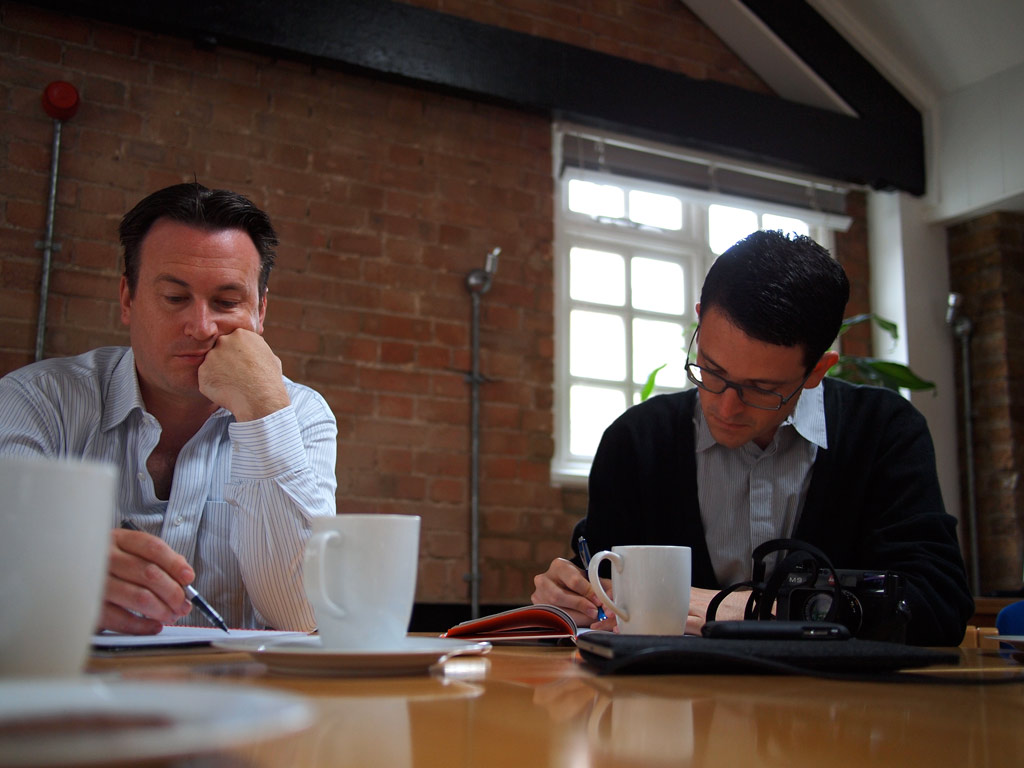
Nick and Bryan.
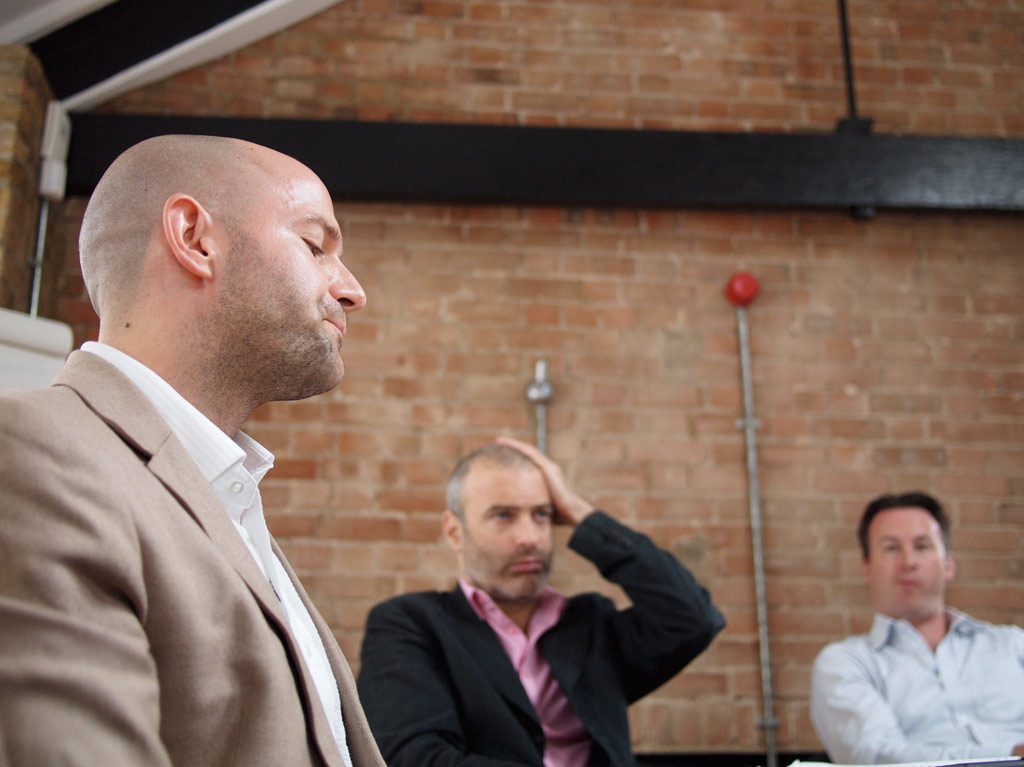
Kipper, Dimitri and Nick.
Much to chew on, and we're looking to develop that and other discussions over the next few months. As this territory is yet to be coherently mapped, we draw a lot from these conversations.
We launched the HDL In Studio book at the Royal Institute of British Architects (RIBA) on Wednesday morning. We had a good gathering for coffee and korvapuusti (Finnish cinamon buns, sourced from the Nordic Bakery in Marylebone via Bryan!).
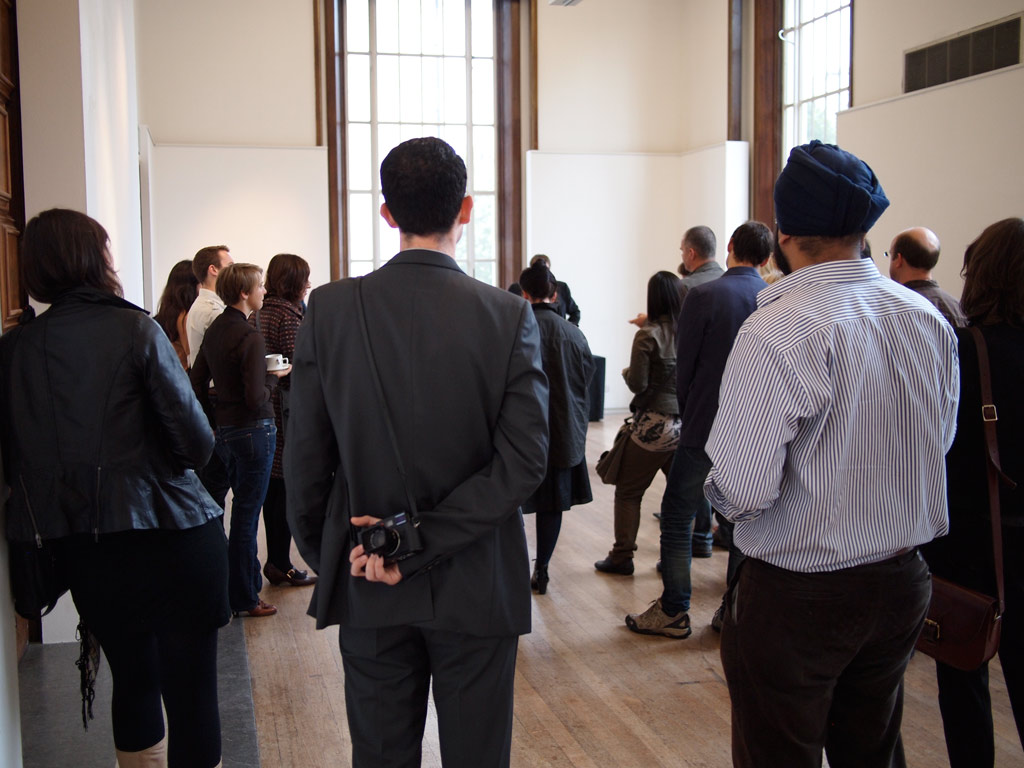
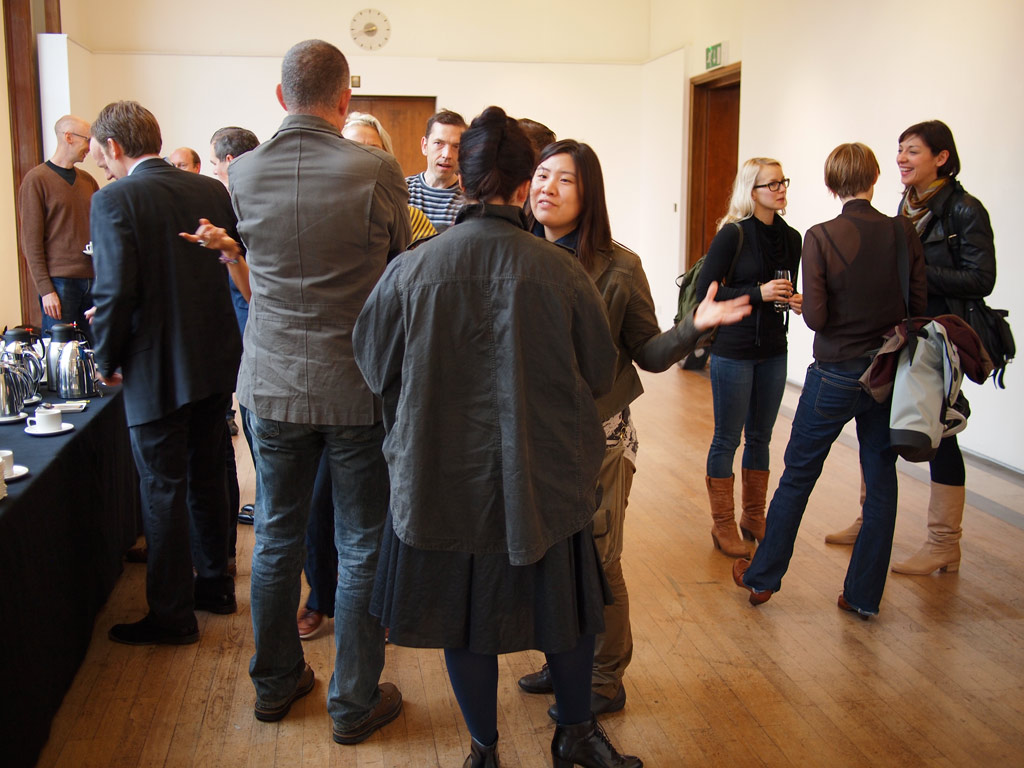

Korvapuusti.
Marco gave an introduction and hosted a discussion with Peter Sharratt, an architect and sustainable development leader now working at Deloitte, and Marianne Guldbransen, Head of Design Strategy at the UK's Design Council.
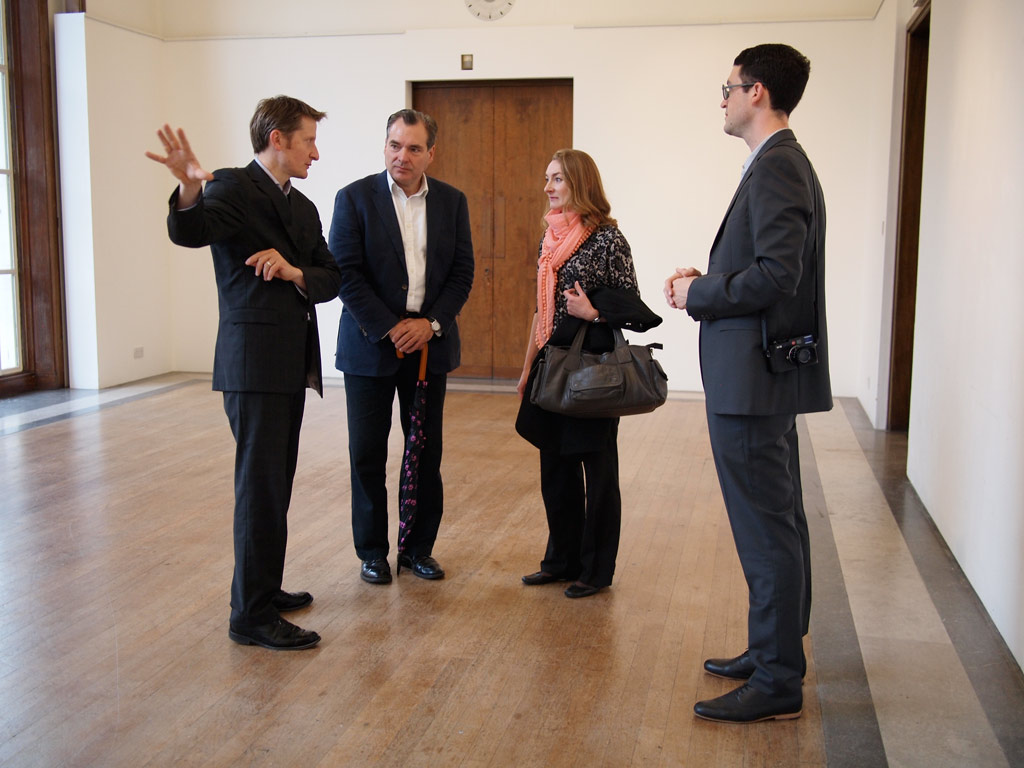
Pre-event game plan.

Marianne Guldbransen.
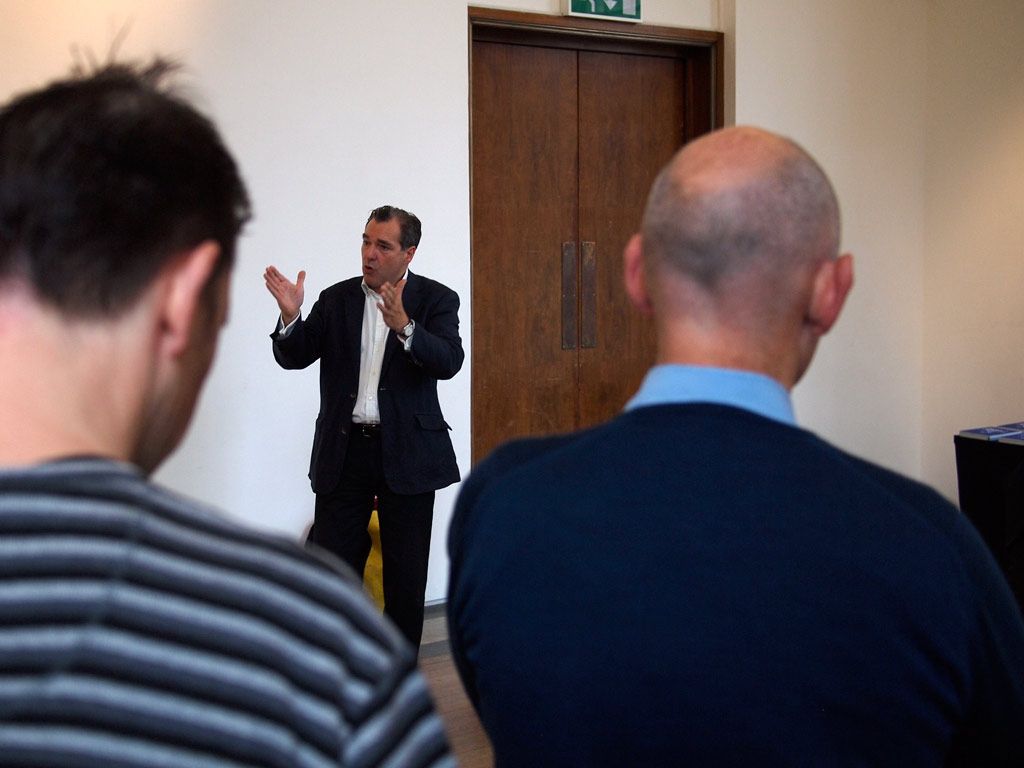
Peter Sharratt.
Our books disappeared faster than the korvapuusti, which is surely a good sign.
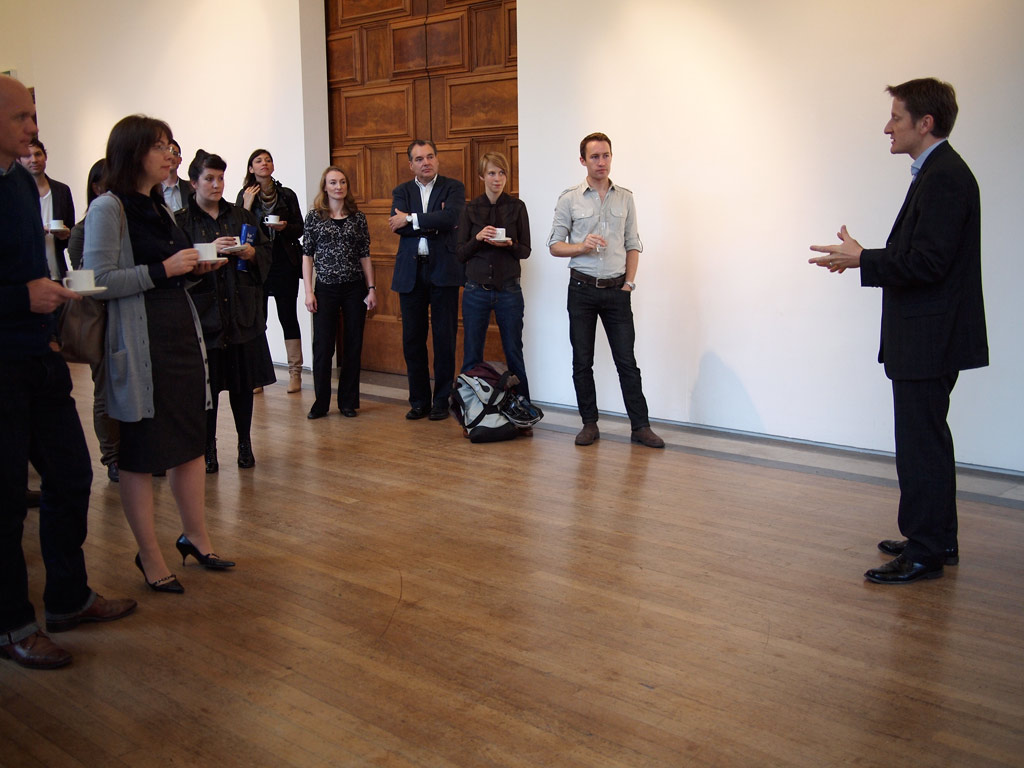
Marco introducing the book.
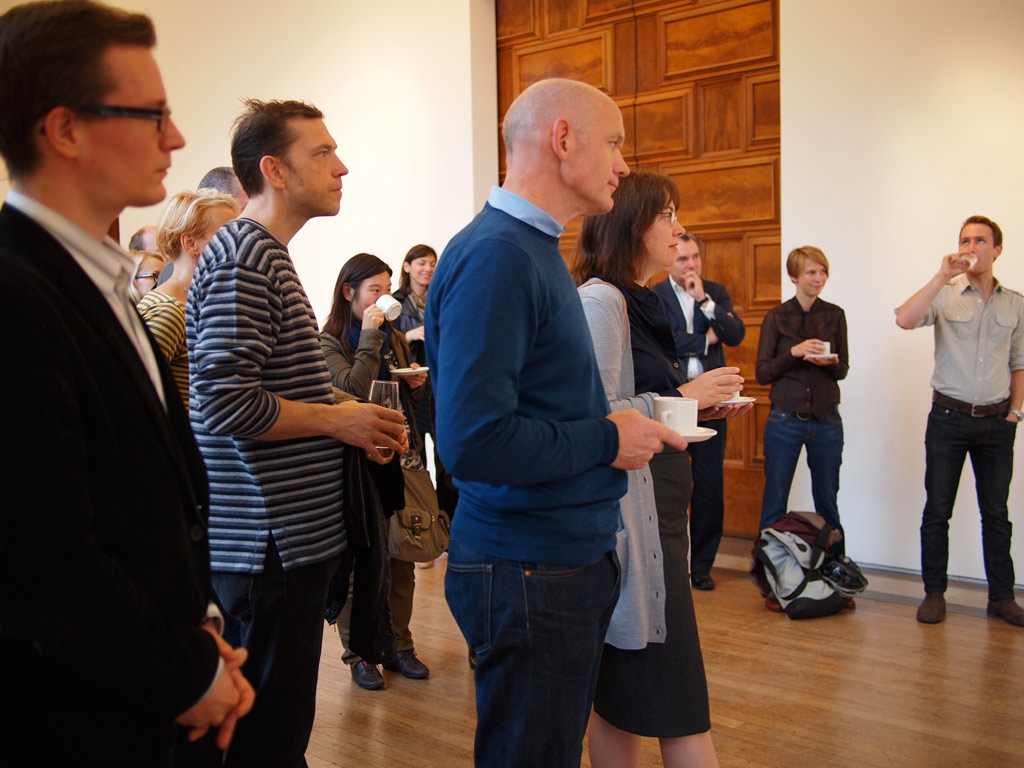
As a self-indulgent sidenote, it was a particular pleasure to be back at RIBA. When I was at the BBC, based at Broadcasting House down the road, we would often use the place for awaydays and meetings of all kinds; plus, it was a favourite 'hiding place' from my team when I needed to get some concentrated work done. (Sorry team.) It's a wonderful space.
RIBA.
After the launch, we hot-foot it across town to Whitehall, accompanied by NESTA's Laura Bunt, to visit the UK government, with whom we swapped notes in another fascinating, thought-provoking session. This was followed by lunch and more productive note-swapping (a theme of the week) at the Institute for Government in Carlton Gardens.

Whitehall.
The rest of the week was spent back in Helsinki, keeping various projects ticking over. I gave a talk at Fjord Helsinki on Friday morning (thanks for the invite, Fjord!) on various aspects of our work. It was good to see their team, and their space. Their regular Friday morning shared-breakfast-at-long-table-plus-talk will be something I'll take into our conversations at Sitra, concerning our future workspace.
Fjord Helsinki.
I also met a local researcher (via Demos Helsinki—ta!) who we'll ask to unpack some food supply chains for us. I've been working on a briefing document around food culture in Finland, and a diagram laying out just how, say, a hot dog emerges on a Helsinki street corner late one night will probably be particularly interesting.
Justin and Bryan have been knee-deep in re-launching the Low2No website (Low2No is one of our key 'systemic change' projects, predicated on building a new neighbourhood in Helsinki.) Do take a look and have a poke around; there's lots of new material and a sharper design to help you find it (which will be familiar to users of this site.) We're starting to carefully pick apart the difference between the block and the model (watch for some forthcoming writing on this 'hook/trojan horse' approach) as well as some curated contributions unpacking the idea of sustainable cities in general.
For instance, read the essay by Federico Parolotto and Francesca Arcuri of Mobility in Chain on sustainable mobility. I had the pleasure of working with Federico in last year's 'zero-carbon Finland' HDL studio, and it's always interesting to hear Mobility In Chain's thoughts on these issues.
Finally, Marco has been hard at work setting up our third major project area, alongside HDL and L2N. Known internally as 'Exchange' at the moment, we'll reveal more of this as it emerges, but suffice to say it should test a new and important angle for our work. Pretty exciting if it comes off. More later.
INDEX Awards party.
Catching up, catching up. As predicted, Autumn is here and the pace is picking up. Several of us are just back from Copenhagen Design Week, where we did a number of productive things, as well as just enjoying that fine city.
Me, Karsten Schmidt, and Matt Jones, photo courtesy of Matt Cottam.
I was there to speak at the Copenhagen Interaction Design Institute (CIID), with Matt Jones of BERG and Karsten Schmidt of PostSpectacular, organised by the great Matt Cottam (Tellart etc.) and Alie Rose (CIID). The talks from Matt and Karsten were both chock-full of challenging, brilliant thinking and as ever it was a privilege to share the bill with them.

CIID Open Lecture

CIID Open Lecture
I'll try to post some thoughts from my talk here (or there) later, but essentially it covered the shift from interaction design at the urban scale to strategic design at systemic scale, and the importance of designing both the matter (the objects, spaces, services) at the same time as the meta (the context, the organisation, the culture.)
Low2No is one of our primary examples. Here, what looks like a building project is actually a 'trojan horse' or 'hook' for a whole series of other systemic changes, around the forestry industry, smart cities, food culture, design methods, ownership models, carbon accounting, innovation environments and so on. So this was 'From Matter to Meta' and back again. There's a lot more to come here, but thanks to CIID for organizing and thanks to an attentive crowd, particularly taking the time out from a sunny Saturday afternoon.
Toldboden.
Toldboden.
Toldboden brunch, photo courtesy of Matt Cottam.
Bryan and I joined Team CIID + BERG for Sunday brunch at Toldboden, which we suspect may be currently the best brunch place in Europe, if not the world. We understand that this is quite a claim, but still.

The Mountain, by Bjarke Ingels Group, Ørestad.
VM Buildings, by Bjarke Ingels Group, Ørestad.
Then just time for a quick excursion to Ørestad, to see a couple of fine, and by now well-known buildings by Bjarke Ingels Group (but also the fairly bereft streetscape there. Hmm.)
Bryan and Marco were in town to participate in a conference organised by our good friends MindLab. 'How Public Design? Leading Change in Government' was an international seminar featuring government, academics, design practitioners, and others. The foundations for the conversation were laid down by rich stories and case studies about existing design work within the public sector; the conversation itself often focused on how to scale this work up, and what new cultures of public sector might result, or otherwise be enabled. Thanks also to MindLab for a great event.
INDEX Awards party.
INDEX Awards party.
As well as general INDEX Award shenanigans (and congrats to one of our collaborators, Alejandro Aravena, for his firm Elemental's award there) we were also in Copenhagen to meet a consignment of The Book (around twelve copies sent to our hotel).

The Book arrives.
We finally have it in our hands. Called 'In Studio: Recipes for Systemic Change', the content unpacks the studio model and its use in terms of understanding the architecture of systemic challenges and quickly sketching out coherent, practical and imaginative visions that address such interlocking problems. Hopefully you'll find it a useful resource and a good read. Again, credit to Bryan, Justin and Marco for producing a genuinely original contribution, and particularly for Bryan for handling the production. The book looks and feels great, thanks to design by Two Points in Barcelona.There's a foreword by Geoff Mulgan of NESTA, and an afterword by our president, Mikko Kosonen. We'll post about the book separately, very shortly, including details on how to get it.
We've also been working on a dossier around design ethnography; please have a look and let us know what you think. Any comments gratefully received, particularly other references or case studies you think we should link to.
In other work, we've been working hard on Low2No, and I've been picking up two threads in particular: the 'smart systems' work (our informatics-led angles developed by Arup and Experientia) around the building, and then how our organisation develops in the context of the new building. The relationship between building projects and the organisations that inhabit them is complex and symbiotic, and as part of the client body for the block, and ultimately an occupant, we'll be using this opportunity to continue the development of Sitra the organisation too.
In terms of 'smart systems', we're trying to develop a more sophisticated understanding of what this might mean, particularly as compared to yer usual building project. On a typical project, ‘smart systems’ can essentially be seen as shorthand for 'automating everything in sight', which we feel would remove the opportunity for engagement, agency and responsibility from the various users of the building. Which doesn’t feel particularly smart to us.
So we're trying to build up a simpler but more engaged relationship between occupant and other users, building, building technology, organisation, and city. This should take advantage of contemporary thinking around smart systems and smart cities whilst preserving, even expanding, the role of people within and around the building. This is partly to do with our strategic objectives around 'sustainable well-being', and the desire to produce replicable strategies for systemic change, but also to do with creating a simpler, more effective, more enjoyable workplace.
These words might come back to haunt us—until a building is built and occupied, one never knows—but we want the exact opposite of the all-too-familiar hotel room experience in which you're searching for the impenetrable remote control required to turn on the standard lamp. Some things are not problems that need fixing.
Some are, however, and we think we're on to something new and useful with our approaches here. We'll report back on this too, as it develops, on the soon-to-be-relaunched Low2No website. (Yes, I'm aware this is turning into a series of nested links to future posts.)
In the aforementioned CIID talk, around matter and meta, one thing I touched on was redesigning the context around products, services, relationships. Or, as I put it here, "You can't design a transformative service without redesigning the organisation."
This follows the legendary Finnish architect Eliel Saarinen's quote: "Always design a thing by considering it in its next larger context - a chair in a room, a room in a house, a house in an environment, an environment in a city plan." i.e. the context is often an organisation, and so a complex net of relationships, one way or another. As I pointed out in my talk, I think you can go the other way too i.e. design the context considering the thing it is intended to produce. Again, it's symbiotic.
With this in mind, our work in terms of organisational change at Sitra is therefore part of this building project, part of this ICT procurement, and so on. Given that Low2No represents one component in another stage of development for our organisation—a Sitra v4.0 perhaps—we have also been exploring what a Sitra v3.1 or v3.2 might be (this numbering is just an example, as organisations are actually in multiple stages of development simultaneously; it also deliberately avoids using the dread word '2.0'!).
These are small-step experiments that we can do right now, iterations along the way to the new organisation in the new building. These are never binary or direct relationships i.e. the new building does not 'effect' the new organisation into life from day one, nor does a new organisation necessitate or articulate a new spatial context. It's never that simple.
So the .1, .2, .3 series of hops in effect enables the organisation to 'try on' new working methods, relationships, identities, new layouts, patterns and habits. It 'de-risks' the change implied to some extent—it makes a new building three years away into something more tangible and at-hand—whilst enabling the kind of instructive forward momentum that prototypes bring to other fields.
Not that Sitra needs redesigning, but Bryan and I did some work at our recent summer awayday in the beautiful forest around Mikkeli, helping our teams constructively imagine some new working habits, patterns and spaces. We may even be able to prototype some of these in our existing building in Ruoholahti, which helped this become more than just a paper exercise.
Oh, and I've also been writing up our research into food culture in Finland. More on that soon too!
The docks don't stop working.
And ... we're back.
Finland returns from its summer break en-masse this week. Cafes, trams and shops are suddenly full again, although the collective mood still seems to be sunny, light-headed, and a little, er, un-focused perhaps.
However, the aforementioned Book finally made it over the line, not least thanks to Herculean efforts by Boyer, who apparently barely got the aforementioned summer break. We have a dummy copy in the office, but the real thing is emerging from printers as we speak. Given it was largely produced before I got here - I merely helped with the edit a bit - I can say it's looking great. More details soon.
The team spent much of the break with the next iteration of Helsinki Design Lab ticking over in the back of our minds, our emerging ideas no doubt inflected by several of us being in the US, UK and China at various times, as well as Finland. Occasionally, a couple of us were in the same place at the same time, and took the opportunity to scribble and think.
And we're getting there. We know it's going to be a progression of last year's studio work (which will be the subject of The Book, by the way).
If the studios were about trying to shape the right questions - or to understand 'the architecture of the problem' - then perhaps we now want to look at the way we shape processes to get things done; to connect vision and opportunity to reality.
A key word from our mission here would be stewardship, but we're also finding ourselves discussing prototyping and procurement, courage and risk. We have an all-day session next week during which we'll unpack this a little more.
Something else that couldn't help but "inflect our thinking" has been the unfolding dramas in the debt crises across Europe and the US: It continues to be uncomfortable if compelling viewing, from one which can only conclude that our current approaches are not coping with the 21st century particularly well so far. It's interesting how this is often an expression of something as intangible, qualitatitive and complex as confidence or trust - or rather lack of it - and so today's overly reductive analytical tools and processes also seem ill-equipped to address it.
And finally, with respect to governance and deliberation, two things caught our attention this week.
Firstly, the Mayor of Vilnius takes the matter of illegal parking into his own hands, deciding that "a tank is the best solution".
Secondly, Switzerland, we salute you!
In brief: Summer continues to unfold in all its richness. (This is actually code for highly variable weather and a flurry of increasingly urgent meetings, but still.) Marco, Justin and I continue to work on Low2No, including several meetings with Sauerbruch Hutton, Arup and Experientia, as well as the local client body. I talked to Monocle about some of the related challenges facing Helsinki in terms of these and other redevelopments. Bryan heads off to the US for a series of catch-up meetings and book edits, initially in New York before joining forces with Justin in Boston. And while the cats are away, Marco and I have a good first planning session on what a 'Helsinki Design Lab 2012' might be.

Further: After a few hours of Marco and I whiteboard hacking on Thursday morning, the place is a mess of intriguing scribbles—graphs, maps, arrows, and various molecular diagrams.
While it's too early to describe an emerging agenda for the next iteration of HDL—Marco likened the process to taking the old machinery out of the barn—there are some firm ideas coalescing, particularly around how what governments and governance mean in a world of weak coalitions and apparently dissolving certainties. That's what the scribbles allude to, and both Marco and I are quietly excited by the potential in the directions appearing on the board.
Next week we'll start to unpack these starting points as a team, such that we can begin to develop both a line of enquiry and a plan of attack. We have a loose-fit timeline emerging, which feels good, sketching out a busy year ahead.

Elsewhere: Sitra now has a couple of Jopo bikes for staff use to get to/from meetings. Jopo are a great Finnish design-and-build story, originally from the mid-1960s, and certainly ready for a little more international attention. The name 'Jopo' comes from JOkaisen POlkupyörä, meaning 'everyone's bicycle'. Originally exemplifying the flatness of Finnish society—a kind of "collective individualism", in their words—the design was resurrected in the 2000s, building upon its easy, vibrant, 'everyday industrial design', based around standard, modular frameworks that are fast to modify and personalise. So, a design-to-manufactured system emphasising the collective that is capable to bending to the individual. A lot of metaphors to play with here. In the meantime, a good healthy way to get to meetings.
One such meeting this week was with Jenna Sutela from OK/Do, a local design-think-tank of some repute. Bryan's previously written about the excellent Clues to Open Helsinki cards produced by OK/Do, Sitra and others last year—a gently inspirational project for many of us working in urban strategy. And before my formal involvement with Sitra, I also attended a great discussion they organised last year as part of their OK Talk series, which featured Bryan, Hanna Harris (The Finnish Institute in London), Amanda Levete (AL_A), Shohei Shigematsu (OMA NY) and Nene Tsuboi (NOW for Architecture and Urbanism). At SIS Deli, Jenna and I talked about the work they'd done with the Oivallus project on the future of education and work in a networked economy as well as their lovely new book OK Talk Helsinki-London, of which more later.
We also discussed how small creative firms here seem to have trouble locating good premises, despite there being space available. We thought there might be room for a stackd-like system at an urban scale, that understood—in a Renew Newcastle sense—how the more fluid firms might be able to occupy space, and matched spaces with uses accordingly. We'd certainly be interested in hearing about any examples of such systems.
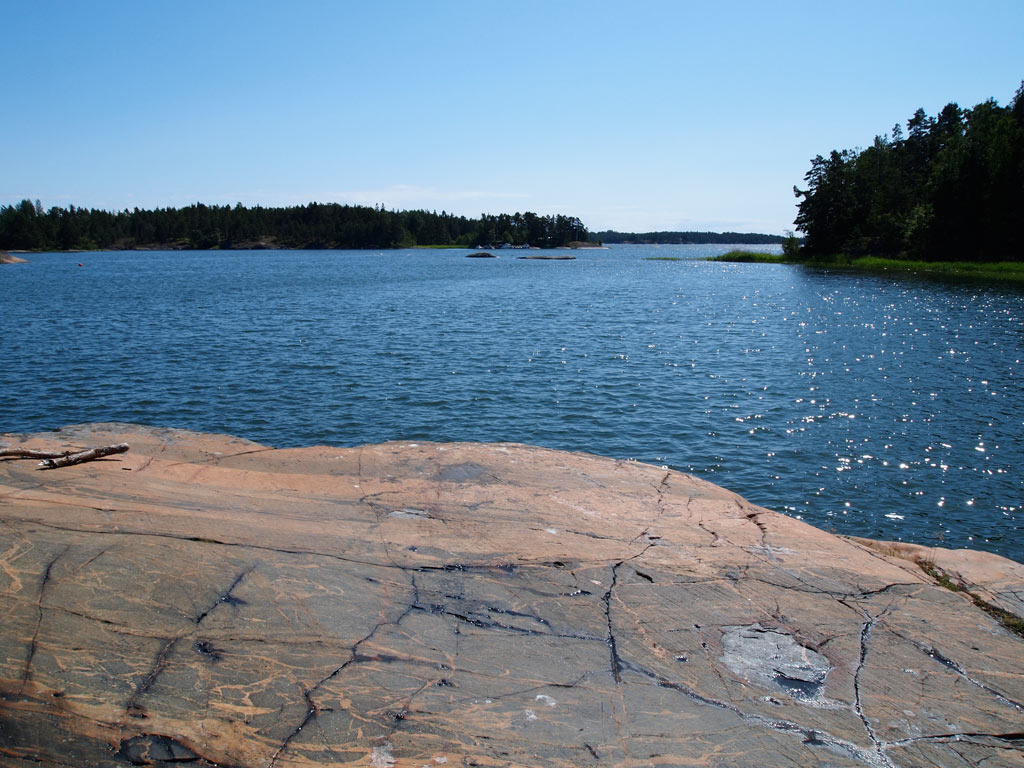
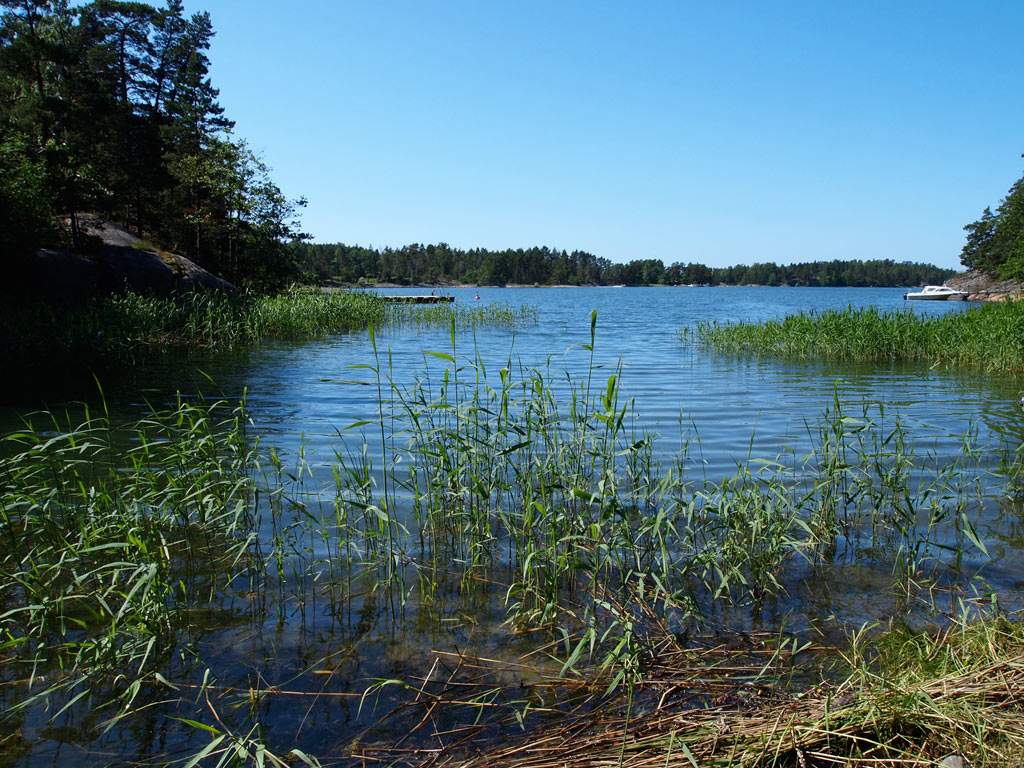
And though the Anglo-Saxon in me is horribly aware of all the talk of holidays in recent weeknotes, but this particular week happened to coincide with Juhannus, the Midsummer holiday, and so another mention is unavoidable. Given its intensely seasonal nature, and the relatively brief duration of summer, the importance of Juhannus to Finland can hardly be overestimated, and after a brief storm on Thursday night some of us were treated to a long weekend of bright warm sun and long, light nights, perfect for puttering around islands in small motorboats, sauna and swimming in the gentle if frightfully cold Baltic, and big communal dinners of smoked fish and new potatoes.

As a result, all thoughts of systemic change kept returning to local food systems, producing sustainable versions of communal firewood-burning saunas en masse, and creating low-carbon mobility systems between the Nordic region's cities and their distributed footprint of summer houses. Governance will have to wait.
Summer on Seurasaari
Helsinki is now basking in full summer, with a couple of days touching 30 degrees this week. The city is glorious like this, with every inch of street, park and pavement full of life, and islands like Seurasaari become impossibly appealing places to spend a Sunday afternoon. Like opposing points of a compass, Helsinki can be differently beautiful in hot sun/midsummer and deep snow/midwinter—it's the bits in between we have to work on.

Or work in, perhaps. We are all horribly aware of the month-long summer holiday slowly approaching, in much the same way that Christmas creeps up on British workers. Both are looked forward to, of course, but both compress time either on either side, leading to an increasingly frenetic rush of meetings and proposals.
This week is no exception. Personally, my work on Low2No is beginning to pick up pace, meaning meetings with various people inside and outside Sitra—including a chance to catch up with our partner Irene Cassarino from Experientia, and researcher Tiona Zozul from Harvard Business School—as well as making the most of Justin being in town. Both Justin and Marco were heavily focused on Low2No this week, though also helped guide our other various project ideas into our other various programmes, before Marco disappeared for a well-earned week of R&R in southern Italy and Justin took off to hold the fort back in Boston.
Bryan knocked off some significant milestones in completing the first in what will hopefully be a series of HDL books, exploring the process and potential of strategic design in this context. More to follow on all this, when the time is right.
A couple of weeks ago, I wrote an article about Helsinki for my old employer Monocle magazine (see forthcoming July/August edition on liveable cities) and in doing so I spoke with both Mayor Jussi Pajunen, and the City's project manager for their 'food culture strategy', Ville Relander. Both emphasised how the City's burgeoning food scene has become a weathervane of the changing Helsinki, and perhaps Finland, which has also played to our own interests in food as an area of potential systemic change with regards to sustainable well-being—at least when food is viewed as a deeply cultural and complex field of interdependent networks and supply chains, which affects everyone and all places, one way or another.
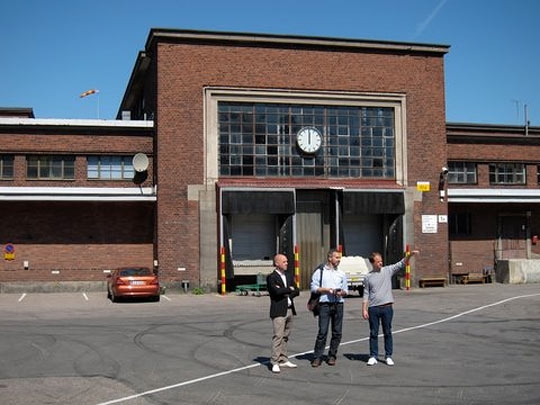
Justin and Dan meet Ville Relander.
So on Wednesday, Bryan, Justin and I went to visit Ville up at his temporary HQ, the city's old wholesale markets amidst the urban regeneration of the Kalasatama area. The markets are a core part of the city's food culture strategy, with the idea that they become a social space as well as a place to source ingredients, perhaps akin to London's Borough Market, Melbourne's Queen Victoria Market or Barcelona's Mercat Santa Catarina, but refracted through the prism of Nordic cuisine and public space.
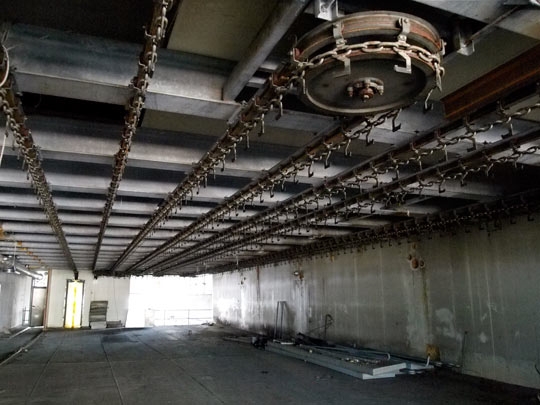
Sikasirkus, or 'pig circus'
The main slaughterhouse building is an incredible asset, with a sturdy yet elegant, long low form that is perfect for re-appropriation, and some horrifying/appealing features such as the sikasirkus (yes, that translates to 'pig circus') for transporting pig carcasses through the building. The place still smells fairly porky, but has huge potential.
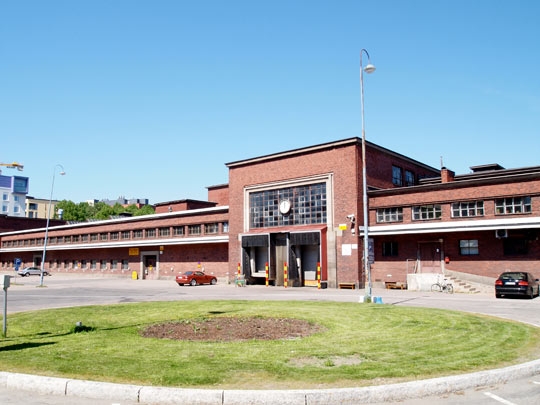
Wholesale market at Kalasatama.
Ville is clearly an asset too, of a very different kind, and he spoke with enthusiasm and insight about the City's approach to food. The City of Helsinki has significant impact on the food business, not least due to the fact that tens of thousands of hot meals are served every day in the City's kindergartens (päiväkoti in Finnish)—where most kids go to pre-school—and so its aspiration to make half of this kindergarten food organic by 2015 could impact positively on supply chains across the region.

But the City can equally impact the street and its food too. As noted previously, we're researching this area very closely—currently, The Saga of the Camionette, and What It Means for Helsinki. Watch that space.
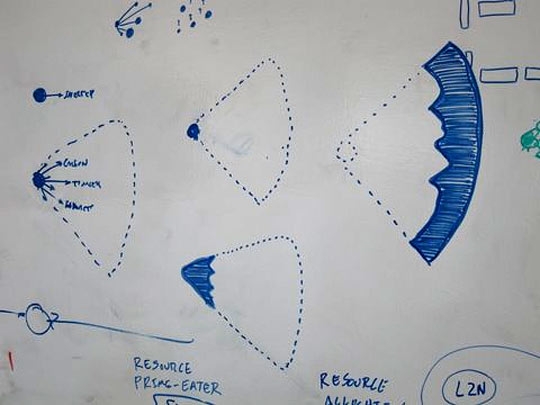
Sketching systems.
This also means we're diagramming furiously of course, both for the aforementioned book and also generally, trying to find ways of suggesting a strategic design approach that connects 'the päiväkoti and the camionette'.
Which leads me to a brief note on whiteboards (to follow up our previous on Post-its). Given our rhetoric around 'designing the conditions' around systems, it's only right that we look at our own working environment from time to time. And this last week's iCloud announcement from Apple, combined with our ongoing fascination with services like Square, had Bryan and I trading ideas back and forth, not just about new public and private services made possible by such advances, but also our own workspace.
Accordingly, we've been developing our internal 'knowledge management' systems (hacking together Tumblr, Dropbox, Basecamp, Twitter, Facebook and various other more bespoke systems), the hardware we use (including gearing up for more video, perhaps saving you reading all these words every week), and conjuring up entirely new approaches to sketching and scheduling on our floor-to-ceiling whiteboards.
It's interesting how bespoke this all is—how workflows, tools and culture are hardwired into the particularities of teams and places—and that despite attempts to systemise this, bespoke feels right.
Anyway, if the whiteboard system works for more than a few weeks, we promise a full exposé at a later date. If it doesn't, forget I ever mentioned it.

 FREE BOOK about the stewardship and craft of institutional change, illustrated through the stories of six meaningful projects.