Weeknotes
T-Minus 3 days till HDL 2013.
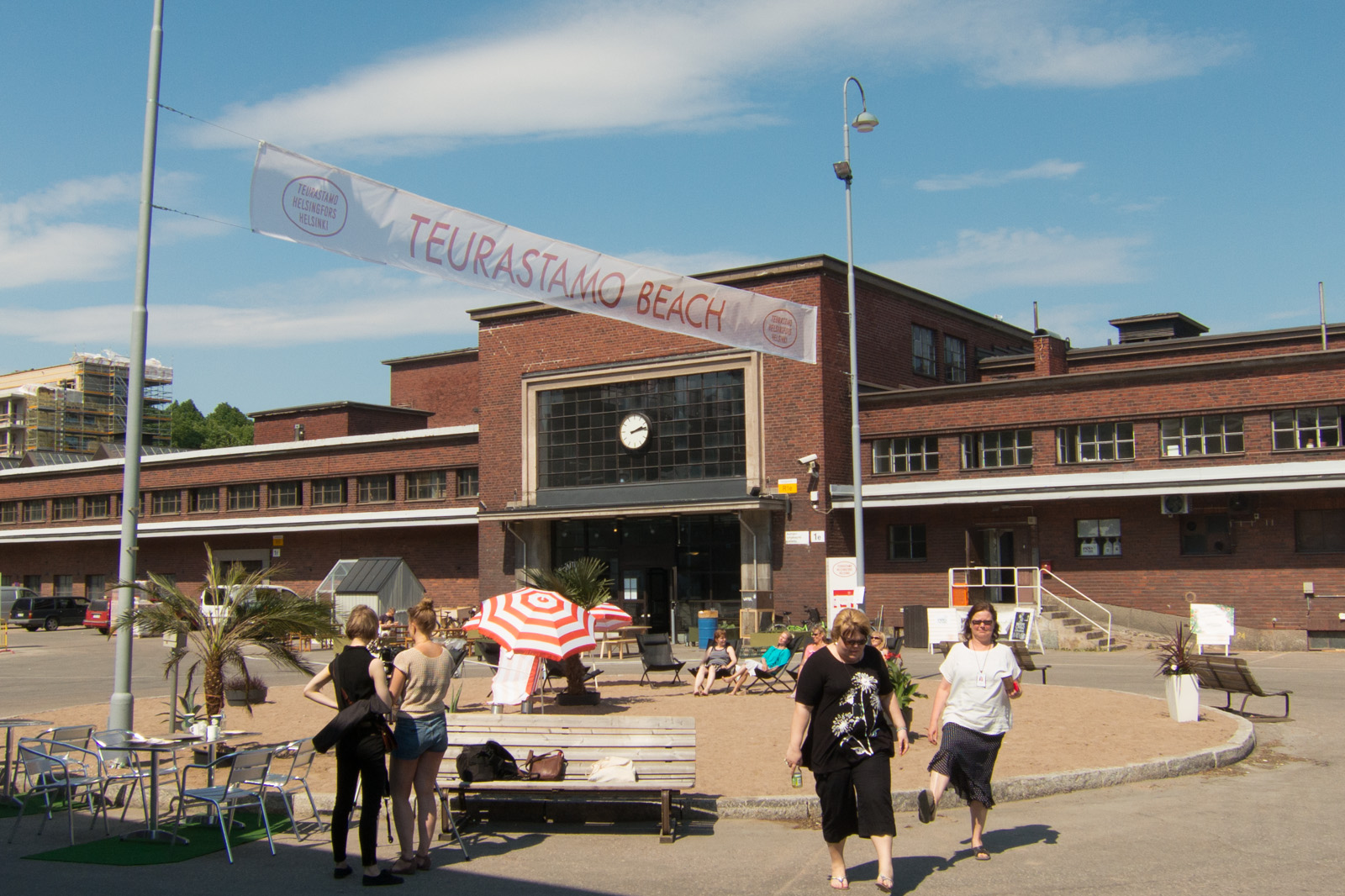
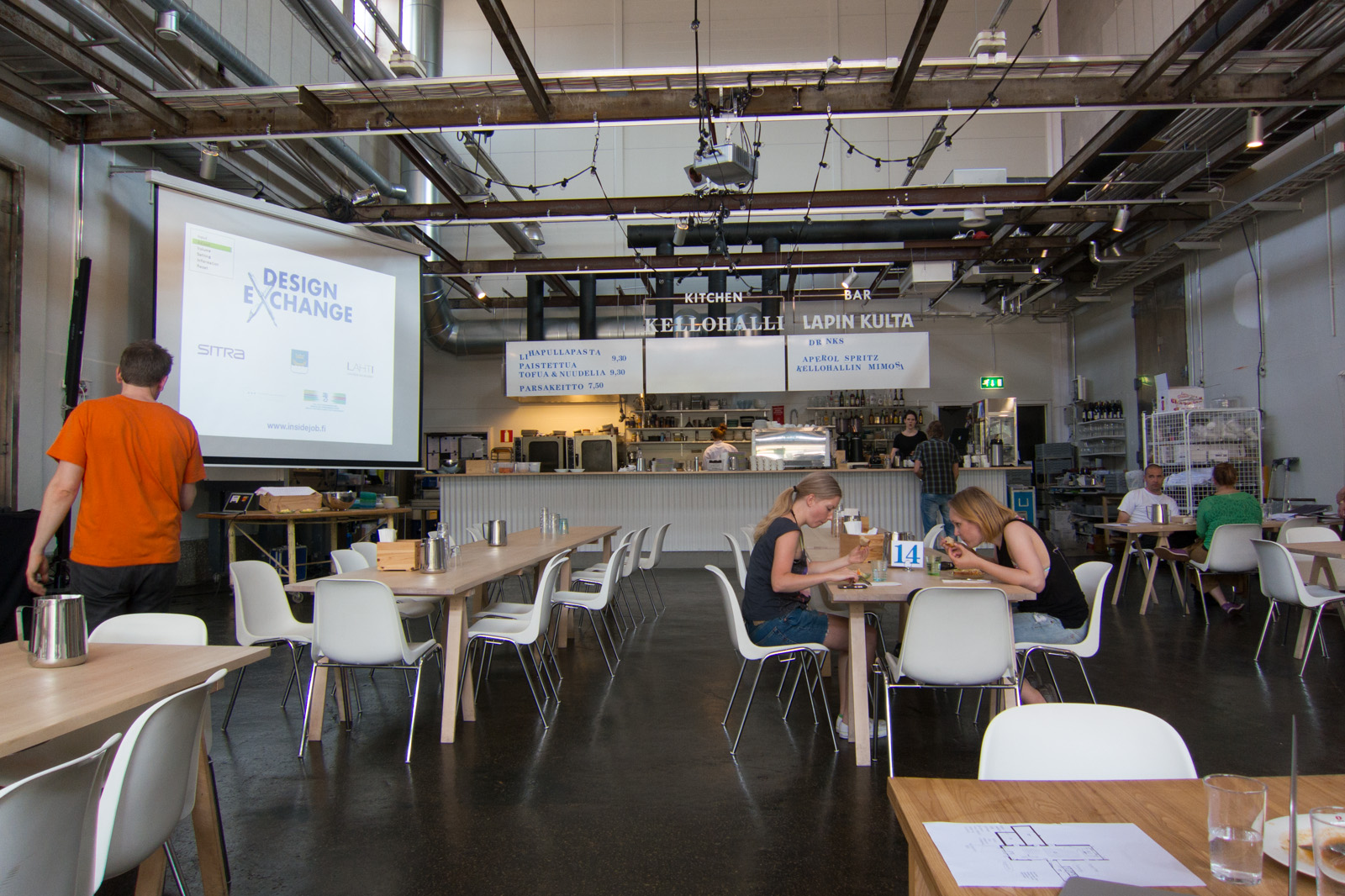
That means we're on site at the venue doing AV checks, finalizing meals, printing programmes, and the like. Today we moved boxes upon boxes of HDL books, posters, and other material to Kellohalli. We'll be giving them all away to attendees.

Apart from that, we're working on a revision to the website that will serve as the final update. There won't be any major changes, but we're taking the opportunity to adjust things like the navigation and organization of the site so that it's as useful an archive as possible for people who happen upon it.
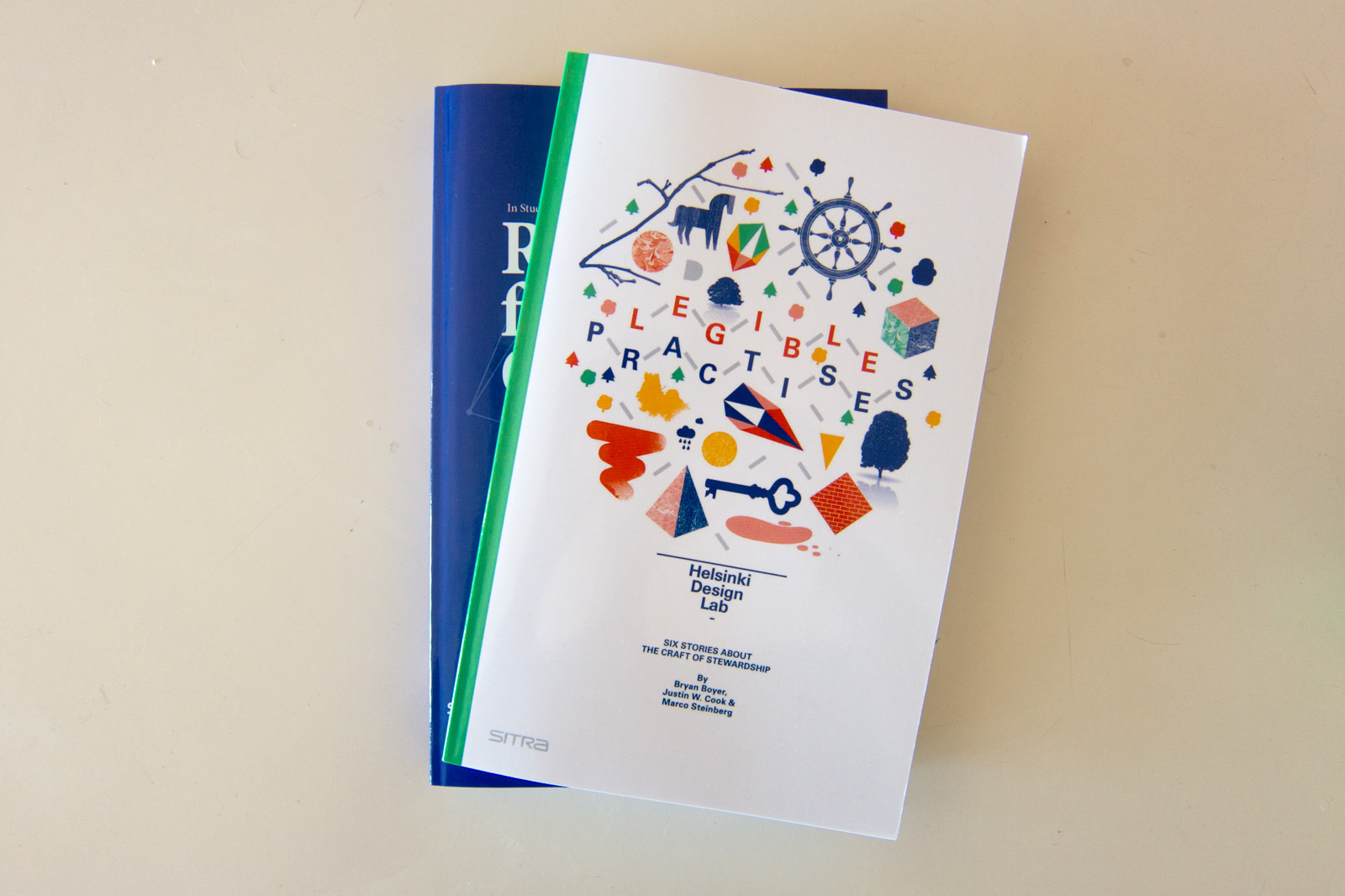
Because Everything Is Connected, redoing the website means also revisiting some of the publications. We've created print-on-demand versions of In Studio and Legible Practises, both of which will be cheap and available globally.
OK, back to event preparations.

In case you missed it, earlier this week we shared the story of the HDL visual language,how we brief photographers, and a few of our favorite spots around town (for those coming to the event and finding themselves with a bit of free time). That makes this a four-post week.

With the trip behind us and the book to press, our focus is entirely on HDL 2013, which kicks off in T-Minus 12 days.
This means our life is a series of checklists, one of Marco's favorite activities.
- Catering? Got it, delicious.
- And they have enough tables? Yup.
- High powered projector? Check.
- Speakers briefed? Done.
- Wayfinding? Working on that one.
- etc…
We have been using Eventbrite to manage registrations for this event and I highly recommend the service if you have not used it before. It just works—and in the process of just working it casts off all sorts of useful data.
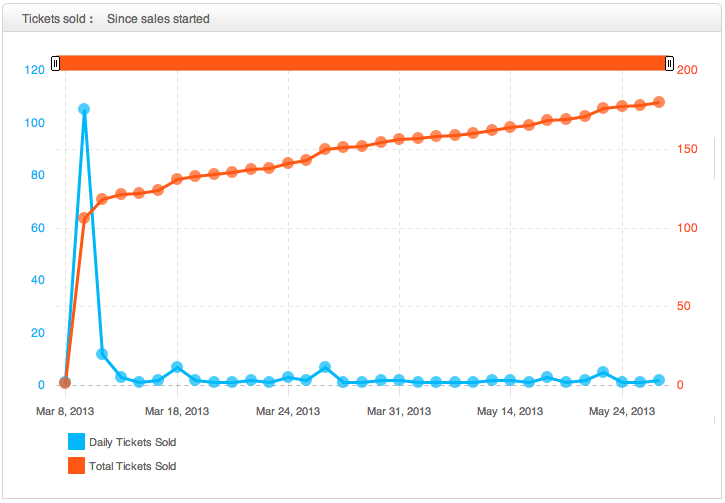
The blue spike you see at the beginning there is the first day that tickets were available and we mailed an announcement out to people who had signed up for the launch announcement.
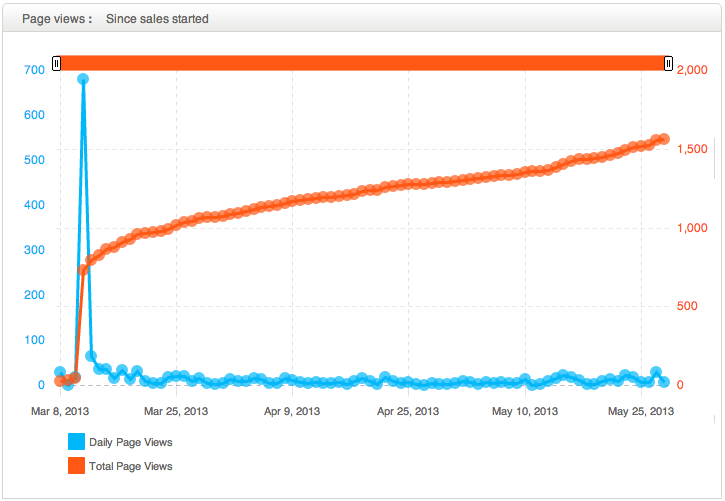
Our conversion rate is about 1/9, meaning that out of every 9 times the event page is viewed someone signs up for the event.
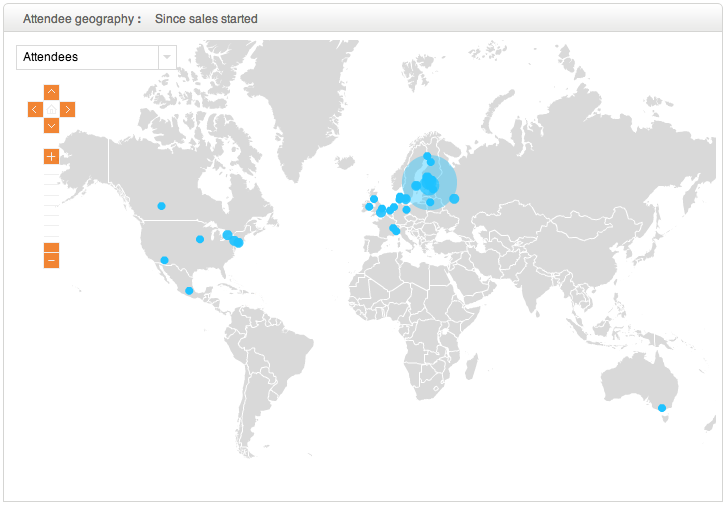
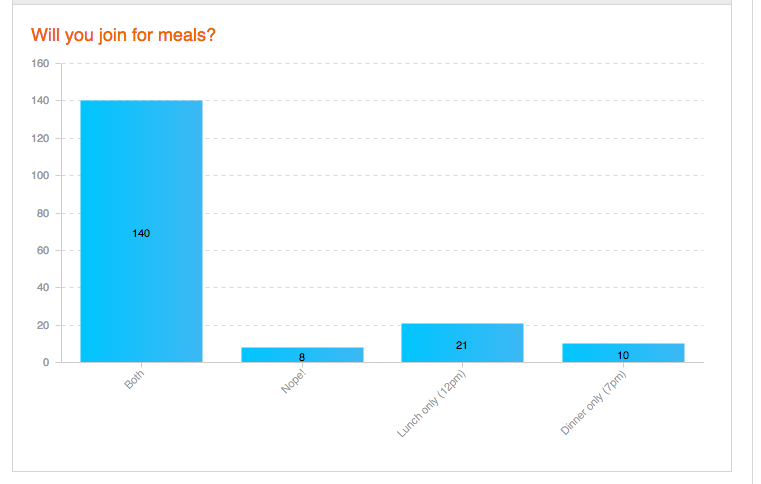
Makes the catered happy. Important.
Data has been on my mind a lot lately. As Justin and I traveled from place to place, the question that kept coming up was, "how do you measure your impact?" We can point to specific successes, such as the number of large-scale timber frame buildings (4) that have taken advantage of the changes to the fire codes that our Low2No project helped unlock. We could (but have not had the resources) to do a business case analysis of the new life that timber construction could breathe into the Finnish wood industry. We could (but have not had the resources) to assess the economic impact of a more fluid food entrepreneurship sector.
What is the economic value currently unrealized because of the quirks of the food service real estate market in Helsinki? These are questions that can be answered on a reasonable timeline with the right skill and time. But when we are talking about systemic changes (like adjusting the emphasis in school curriculums, or even deploying new models for schooling altogether) are we prepared to wait a generation or more for results that allow us to assess outcomes? And will the results come in a form we're prepared to recognize? And while measuring outcomes is one useful activity, it is not the same as learning from activity and refining future activity.
What strikes me is the cost of measuring social and ecological impacts compared to the cost of measuring economic outcomes. We've had more than 150 years of practice (or more) at measuring (and building tools to help us measure) financial results. We'll be lucky if a fluency in measuring other forms of value can be effectively booted up in half that time—not that we should be so patient.
Tech startups offer a useful, yet frustrating, analogy. By virtue of their venture funding, many startups temporarily exist outside the realm of direct market feedback. That is, their founders worry about having a business model and the possibility of making money in the future, but they do not have to worry about finances on a daily basis the way a butcher shop or a plumber might. Venture capital turns income into an externality—for a little while. Yet in the absence of direct feedback from the market, tech startups are still able to make educated decisions based on data: usage data.
By virtue of operating websites and apps via centralized servers, vast amounts of usage data come for free in the form of server logs. The cost of measuring performance is built into the cost of operating an online service.
For instance, I can tell you with a quick glance at the Google Analytics for this website that we've had 4615 visitors in the past 30 days and that 1.72% of them arrived while searching the internet for "Marco Steinberg". The sheer wealth of data available to me, as someone who runs a website, is overwhelming, and this is using free tools available to any site owner. Those who operate their own apps and have their own engineering teams have the ability to further build custom reporting and analytics tools that zoom in on the details they care about most.
Friend-of-HDL Cassie Robinson wrote recently about using data to steward systems. Data, she writes, helps us re-route our actions when needed. And I do agree, but much of what we do is still beyond the reach of useful data. The real challenge is the high cost of measuring non-financial value. How do we make accounting for social and ecological impact cheaper, faster, easier? How can we achieve the same efficiencies enjoyed by services that run on servers for those impacts that only happen in classrooms, on the street, or in a forest for instance? The internet of things is beginning to provide more diverse ways to measure environmental performance by dropping the cost of sensors and making them smaller than ever before. Can we also find ways to lower the cost of measuring human experience, behavior, perhaps even mood? Can we drop the cost and pain of measuring outcomes as a key part of supporting social innovation?
Proving your value is always the obligation of an upstart, but asking social startups to prove their value and invent a way to cost-effectively measure their value at the same time is a tall ask. If you know of anyone who's taking this on as a challenge please drop a note in the comments. We would like to hear more about it.
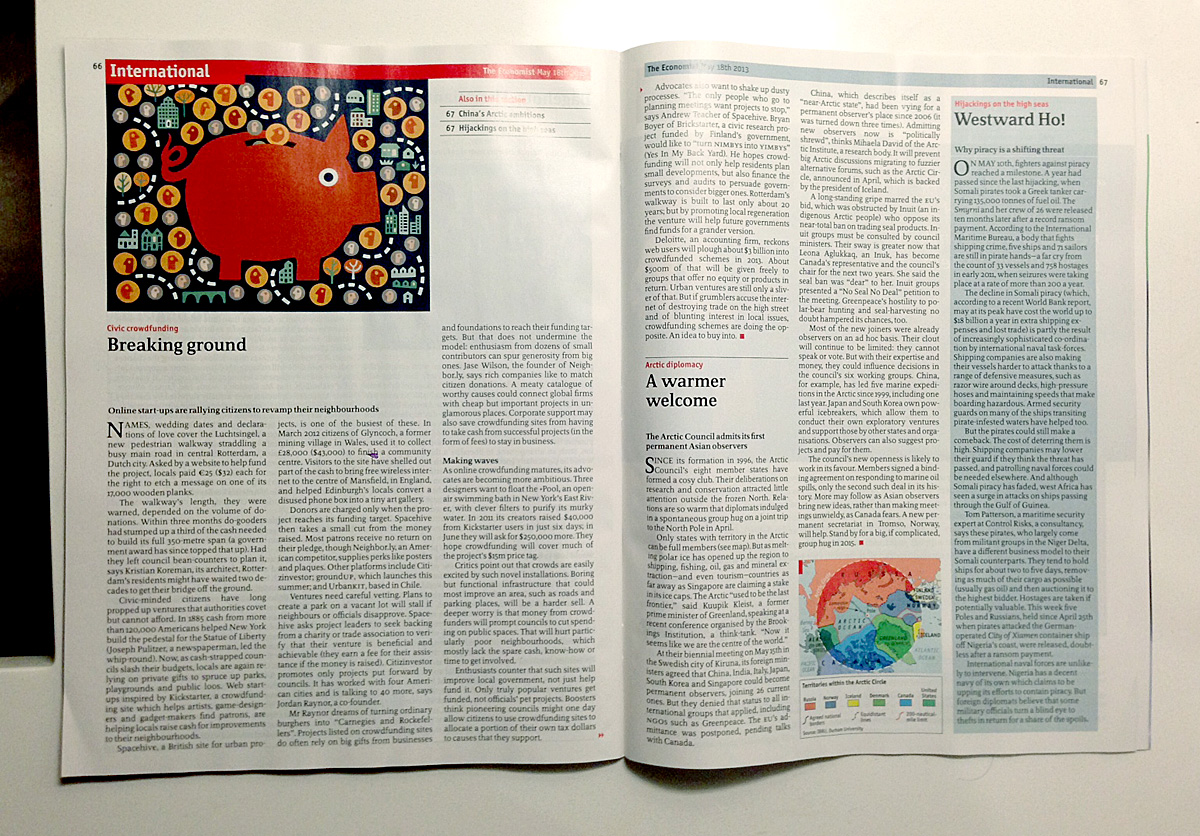
In other news, Brickstarter was in the Economist last week (week of May 18th issue) and that book is almost done. No, really.
With two and a half weeks of travel behind us, and just a few more days left on our HDL tour, the most common question Justin and I have been asked is, "are you ready to kill each other?" On the contrary, we're lucky to travel well together. This kind of trip would be impossible otherwise.
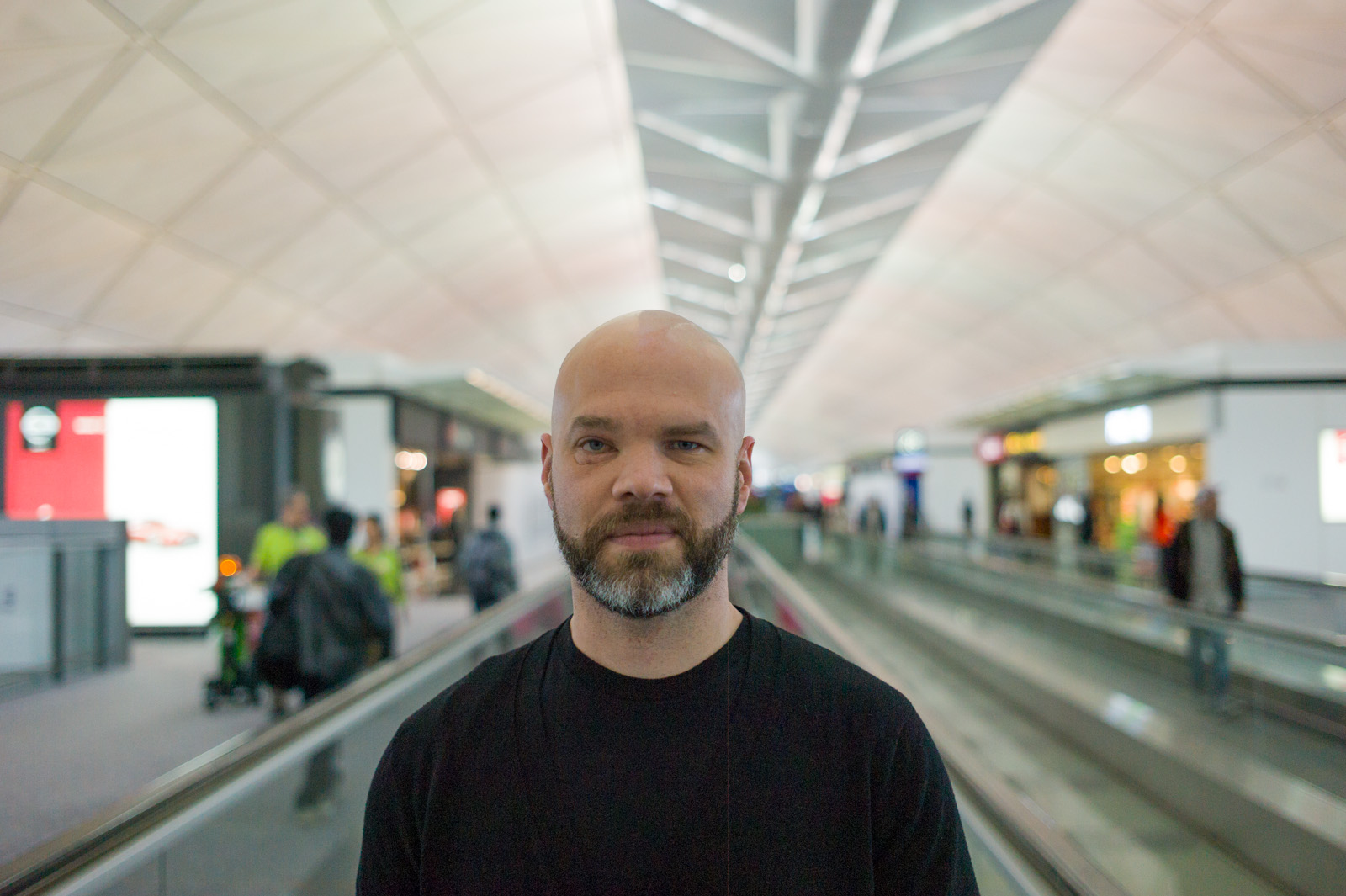
Justin is tired.
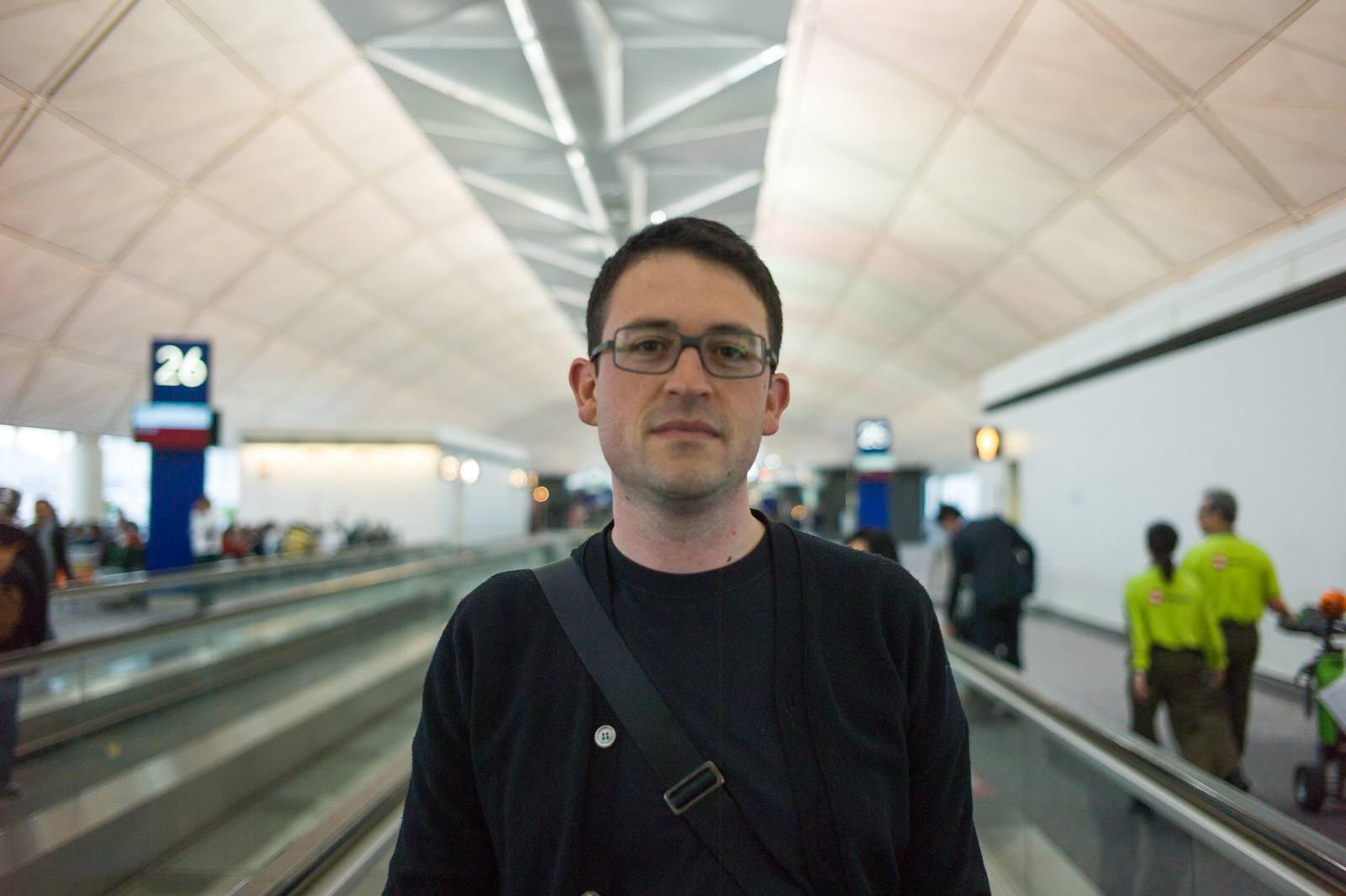
Bryan is tired.
Today is London, fresh off the plane from Dubai. Later today we will give a talk to the MA Design Futures students at Goldsmiths University. I'm especially looking forward to this, as I hope we can spark a discussion about the boundaries of the applicability of design fiction. HDL has been an attempt to push beyond the fictive and that's one of the things we're most proud about.
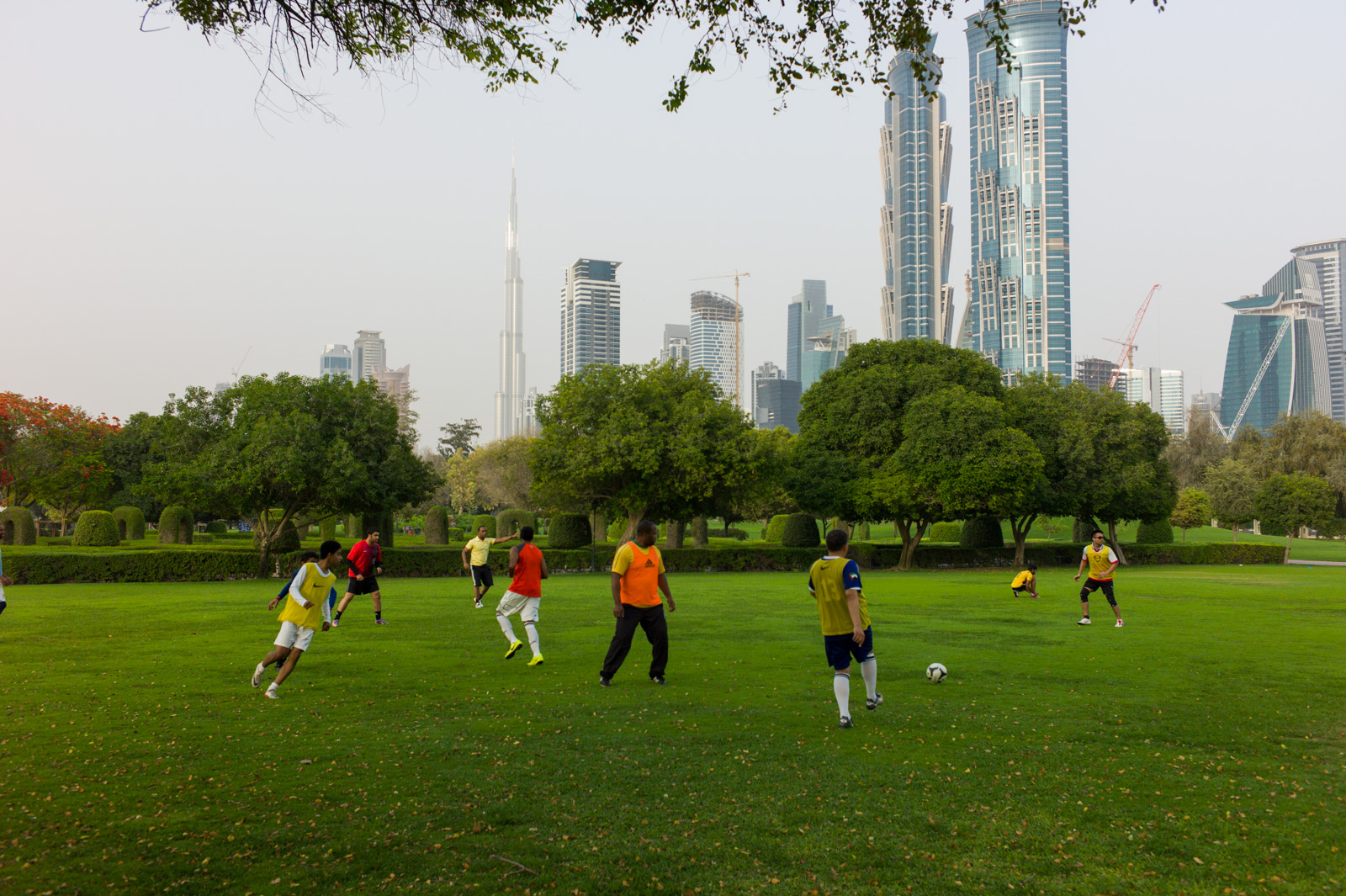
Dubai was a quick stop, but we enjoyed a couple of morning sessions hosted by Noah Raford in the Prime Minister's Office. The conversation there was focused on improvement of services, the importance of synthesis (and thus design ability), and prototyping towards solutions. Many thanks to Noah for putting these discussions together. Although it's more recognized for deep spending on hard infrastructure, it was impressive to see the amount of attention being poured into the soft infrastructure in Dubai as well.

Noah and Justin survey Dubai from the PM's offices.
We also managed to zip down to Masdar City, which has long been part of our discussions around Low2No. We've seen Low2No as an alternative model to Masdar, one that's more appropriate for cities with legacies of built form, legislation, and financial regimes that cannot be swept aside. Seeing Masdar in person was enlightening. It's hard for such a hugely ambitious project to ever meet the hype, and there's certainly plenty of room for Masdar to grow into the reputation that it has created for itself. Still, what is happening there now may end up being more interesting than the original Foster master plan. As the planning adjusts to a smaller scope and a smaller budget, perhaps something more modest and more replicable will emerge?
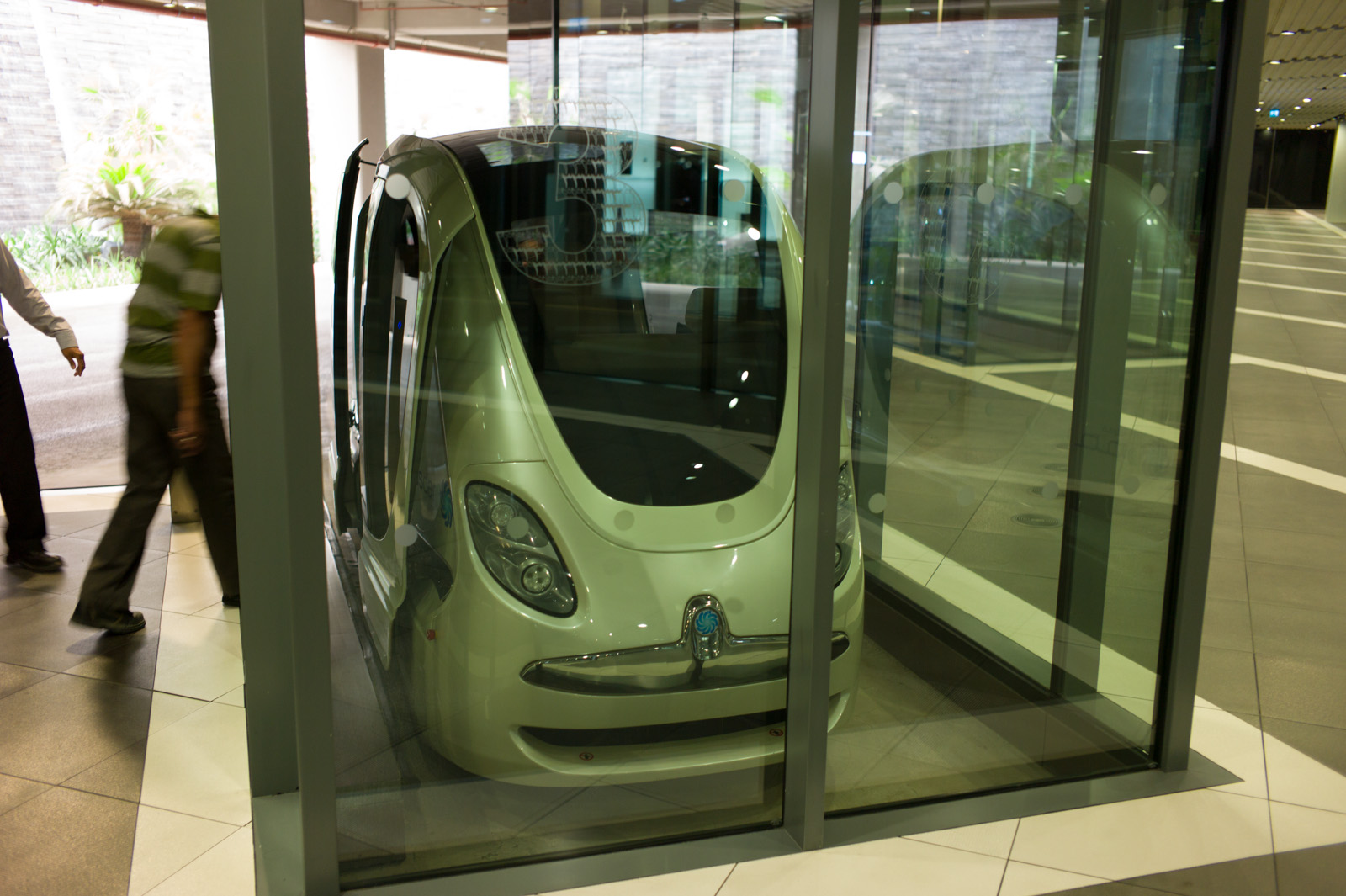
Driverless Personal Rapid Transport unit at Masdar City.
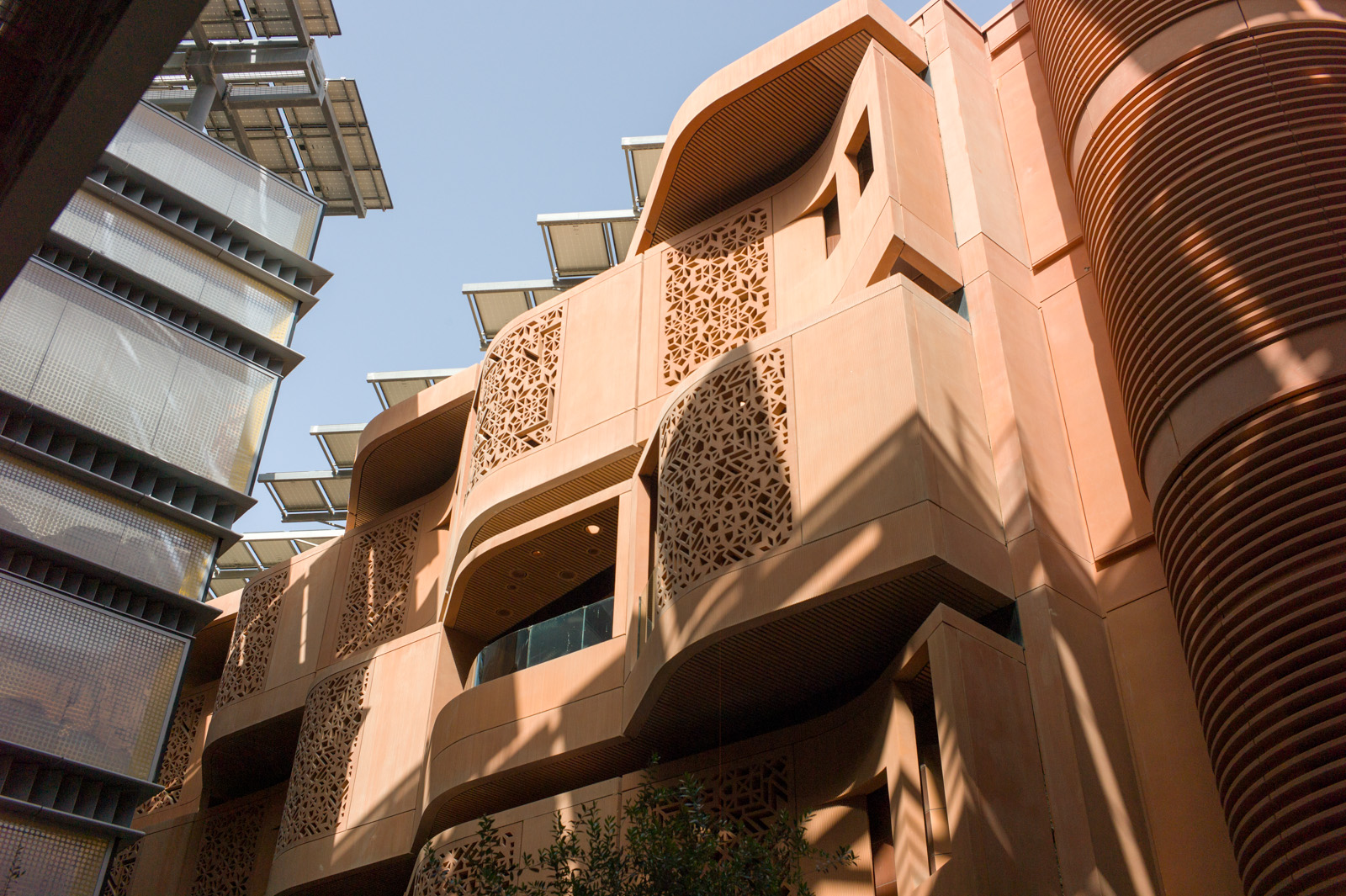
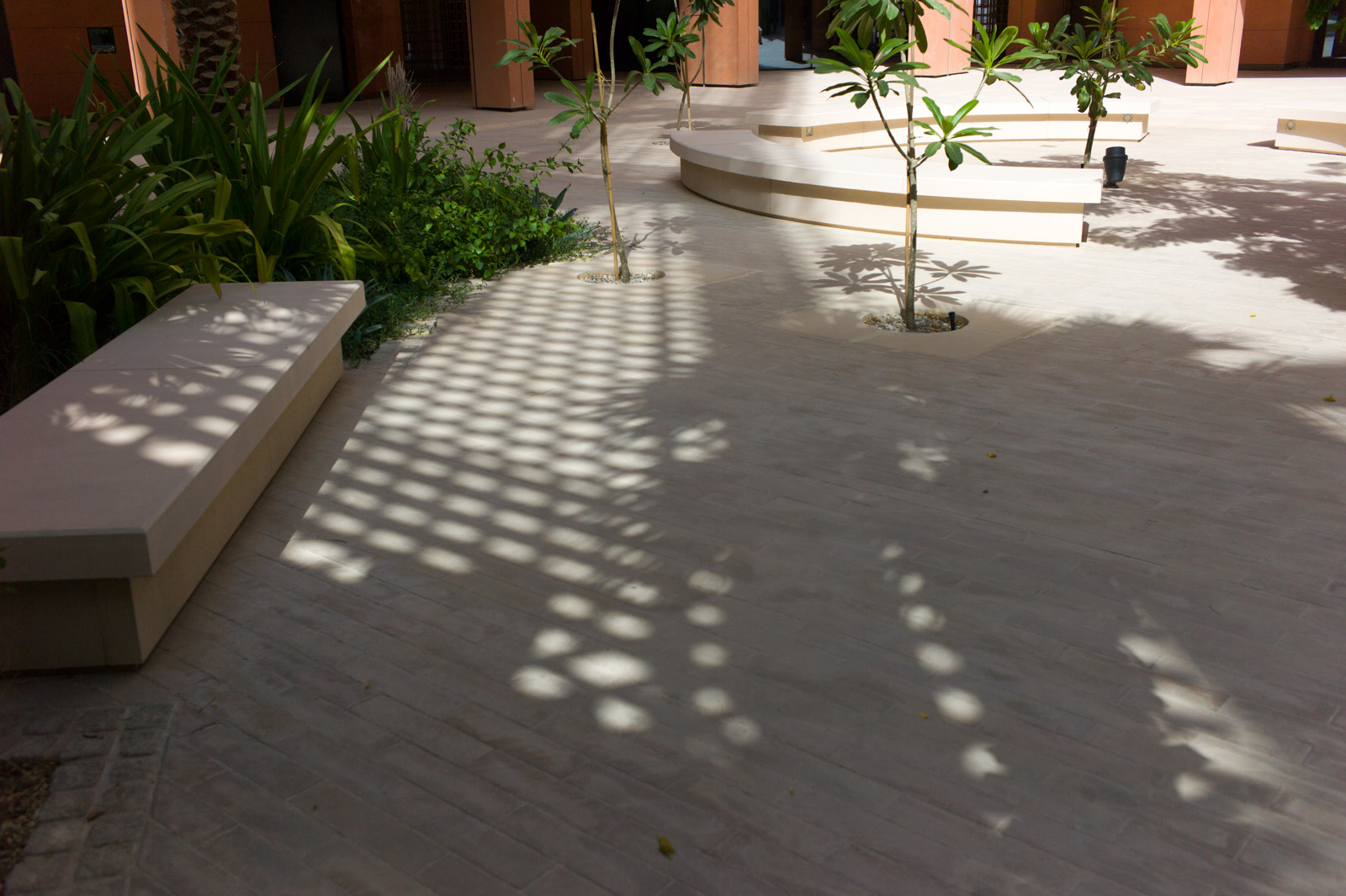
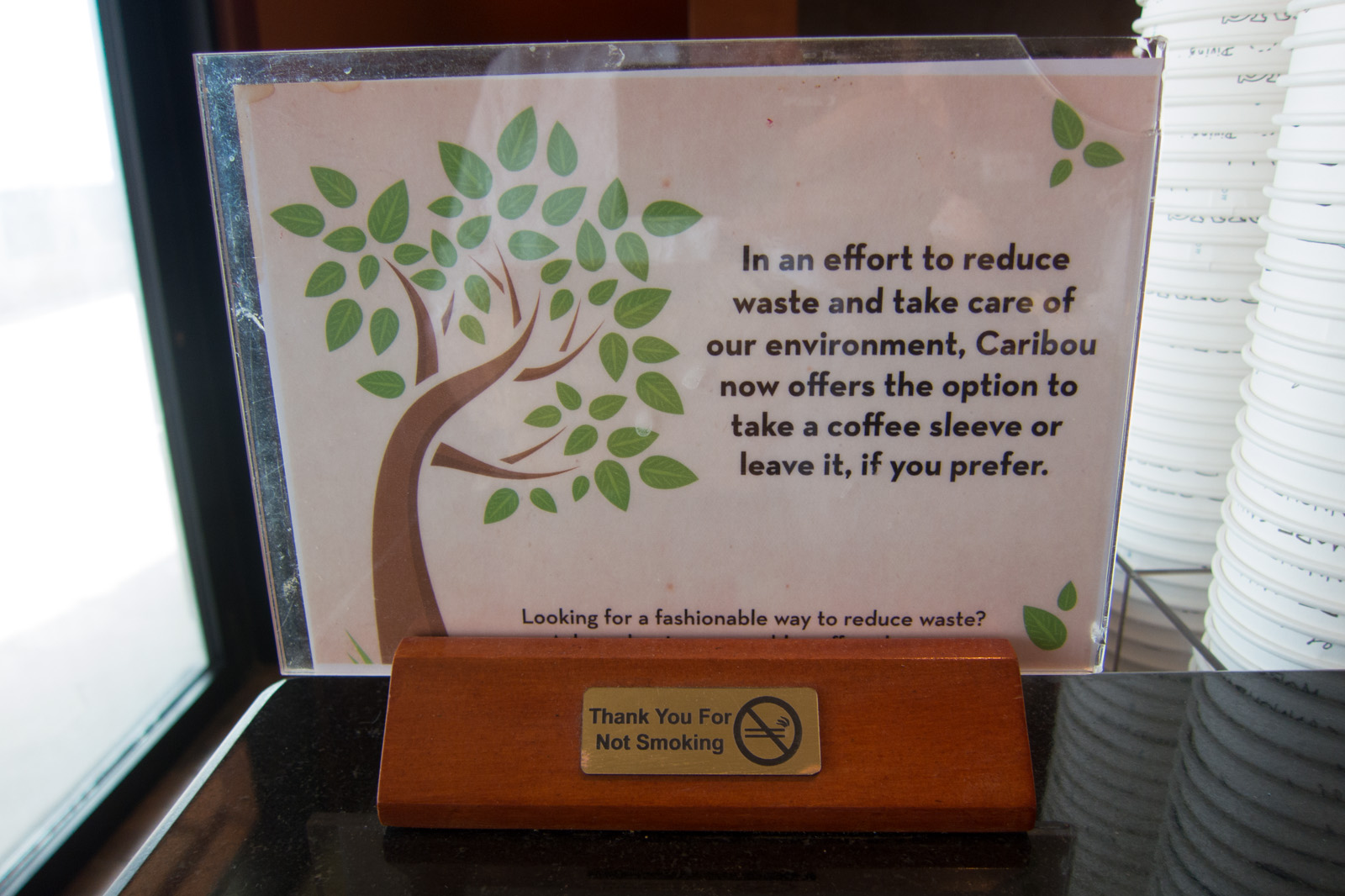
It makes sense to start with small steps, but maybe this is a bit too small?
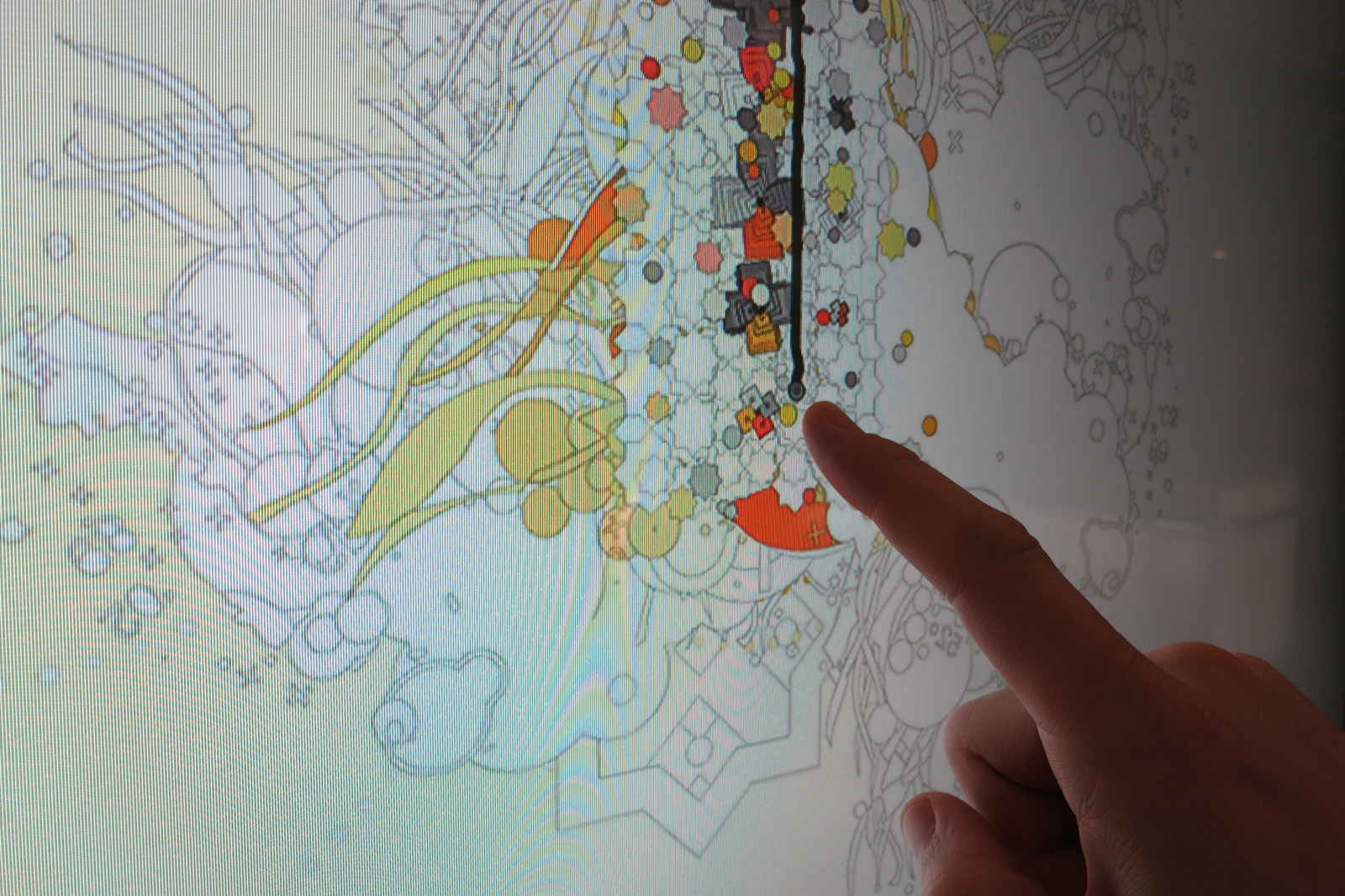
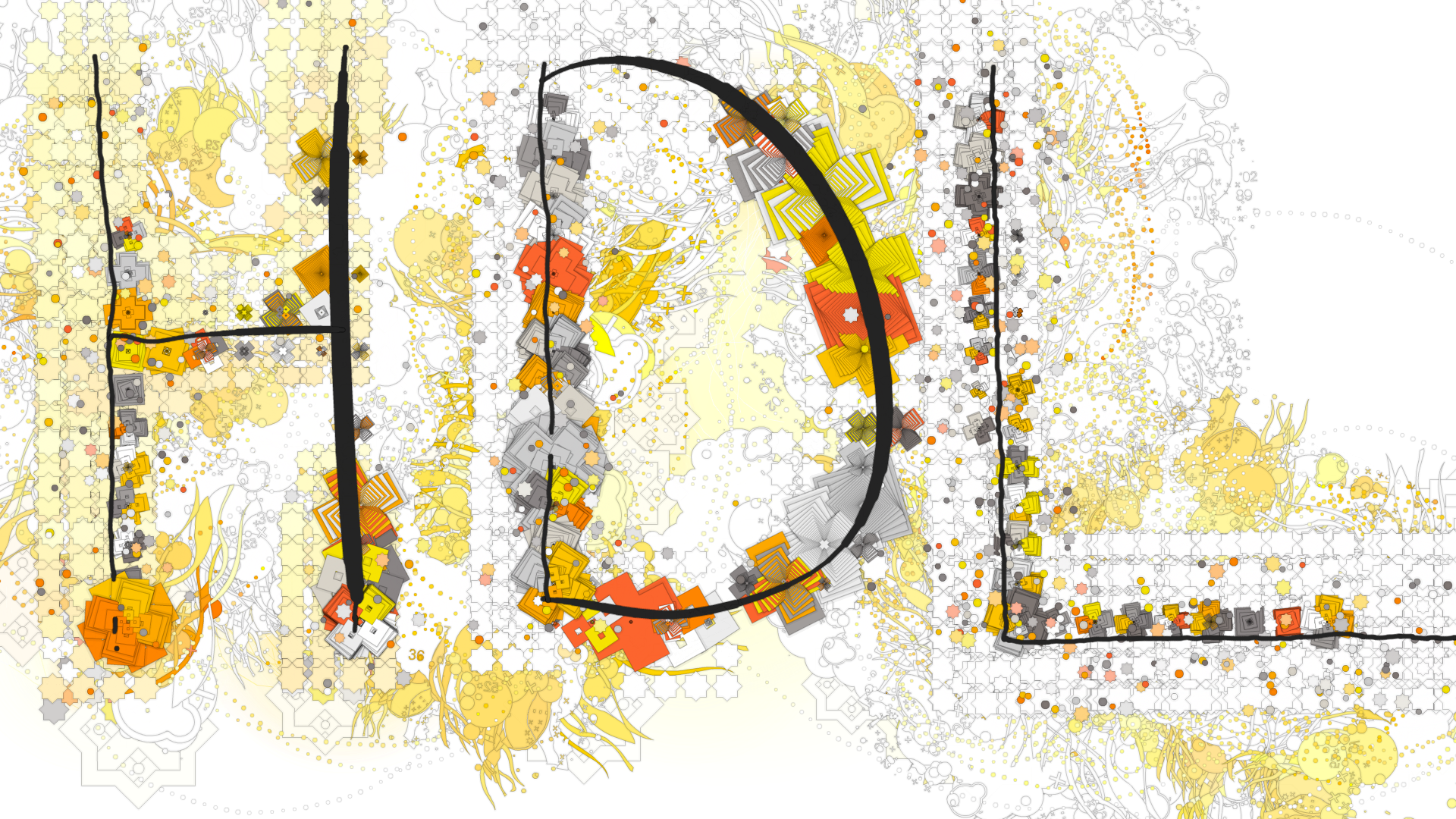
Generative art 'guestbook' at Masdar.
We arrived to Dubai via Hong Kong, where Justin and I stopped over to meet with Cees de Bont and Alvin Yip of Hong Kong Polytechnic University School of Design. They shared insights about the current state of design in China that have evolved since our last visit there in 2009, including a growing recognition of the role for designers in social innovation. In fact the Jockey Club, which makes a substantial purse off of track betting, has endowed the Design Institute for Social Innovation. They are just booting up now, but we will pay close attention. It was encouraging to hear about these plans, as it makes the HDL closure easier. HDL is fading out, but the ideas and the practices of strategic design certainly are not.
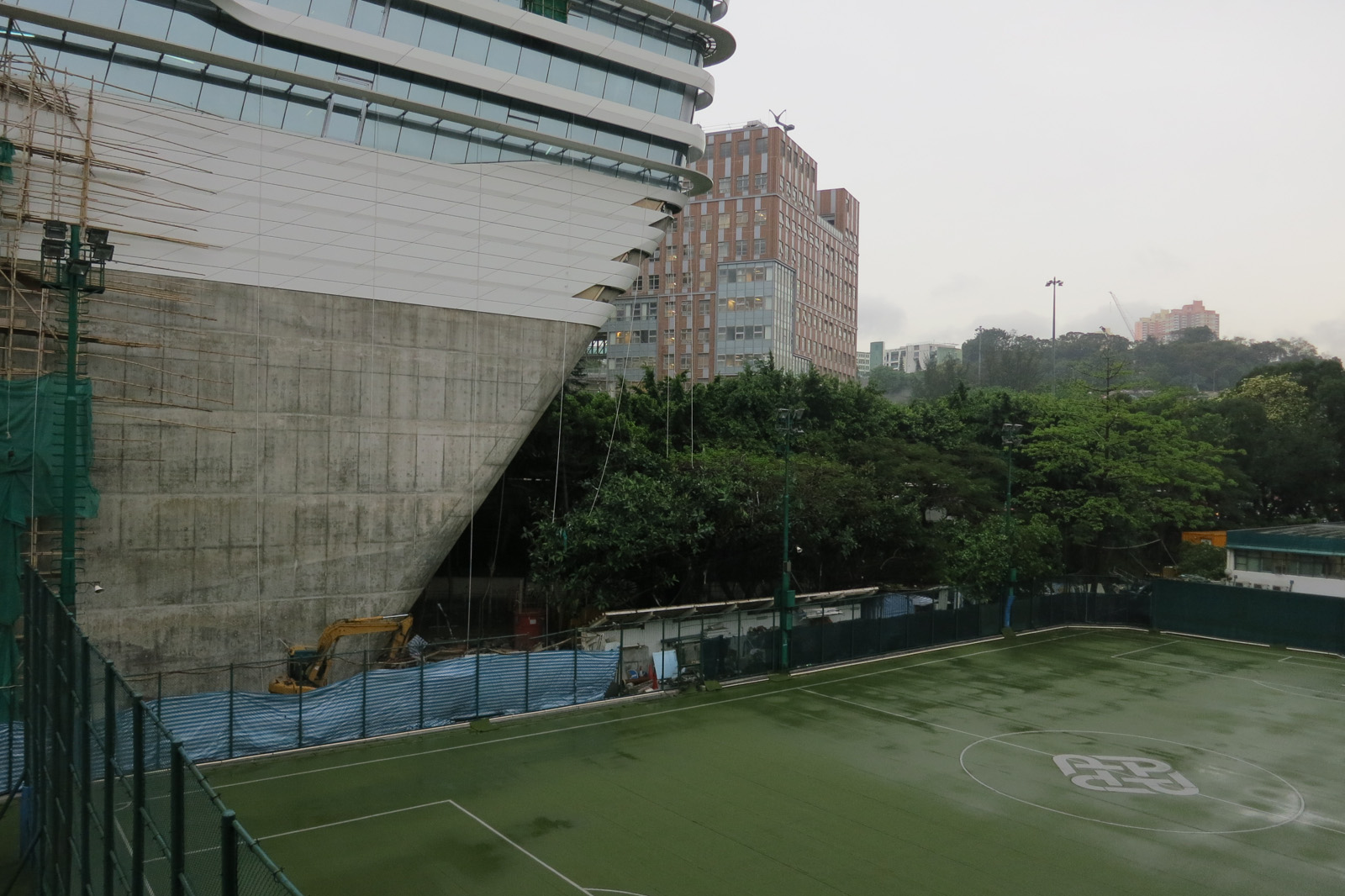
HKPU's new School of Design building is almost ready. And it's massive!

Hong Kong is currently in love with a giant rubber ducky.
Before Hong Kong it was Tokyo. Justin describes it thusly:
After an overnight from Sydney, we landed on beautiful spring morning in Tokyo. The privilege of arriving at Haneda Airport, close to the center, is that some of the scale, complexity and diverse functions of Tokyo are revealed. From the air, Japan’s industrial base, which is mostly absent in Hong Kong, seems robust, busily making small things very well.
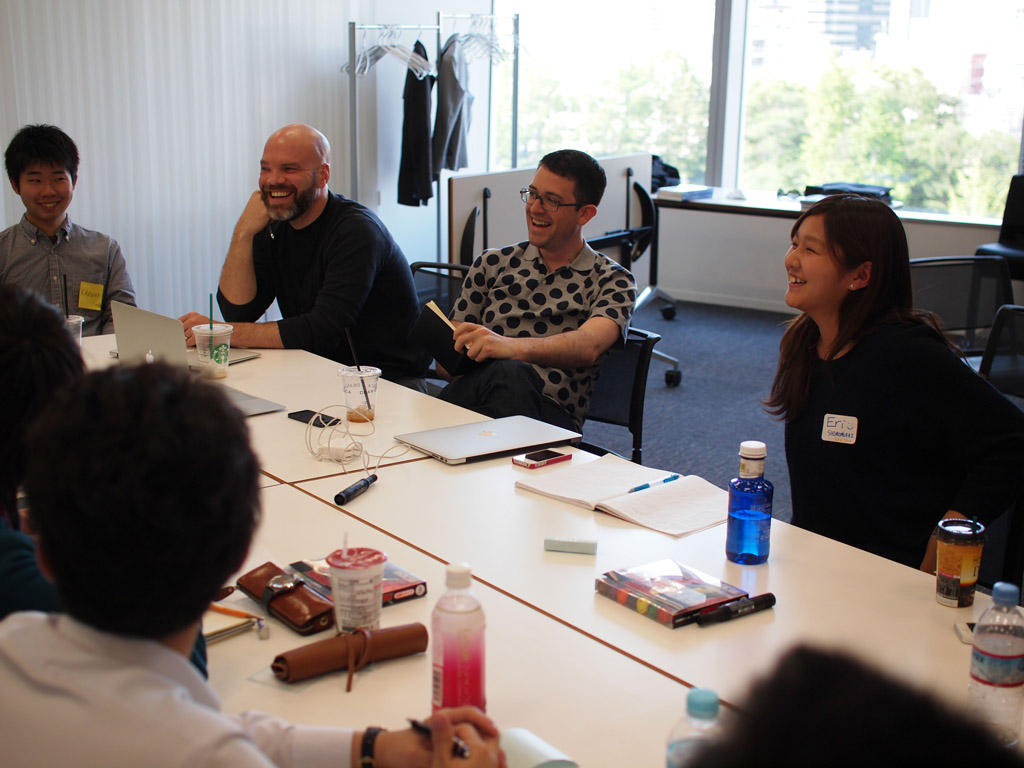
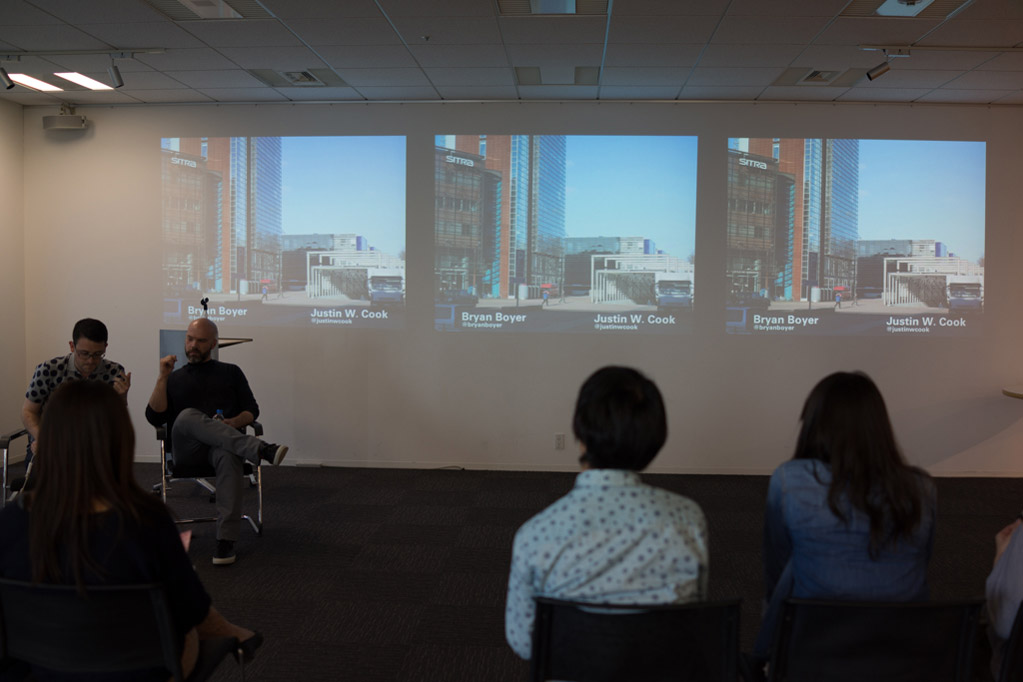
We were invited by the University of Tokyo i.School to give a talk to students, staff and like-minded practitioners on strategic design and our projects at Tokyo Midtown Design Hub. Our gracious hosts Fumiko Ichikawa and Hiroshi Tamura had teed up an engaging facilitated workshop following the talk where the audience was asked to define “what is strategic design” (which we probably didn’t help them with during our talk!) and how could the approach be used to aid in tsunami recovery. With this group the idea of building a rigorous and active feedback loop between understanding the nature of the challenge systemically, and acting to make change via proposals and projects, clearly resonated.
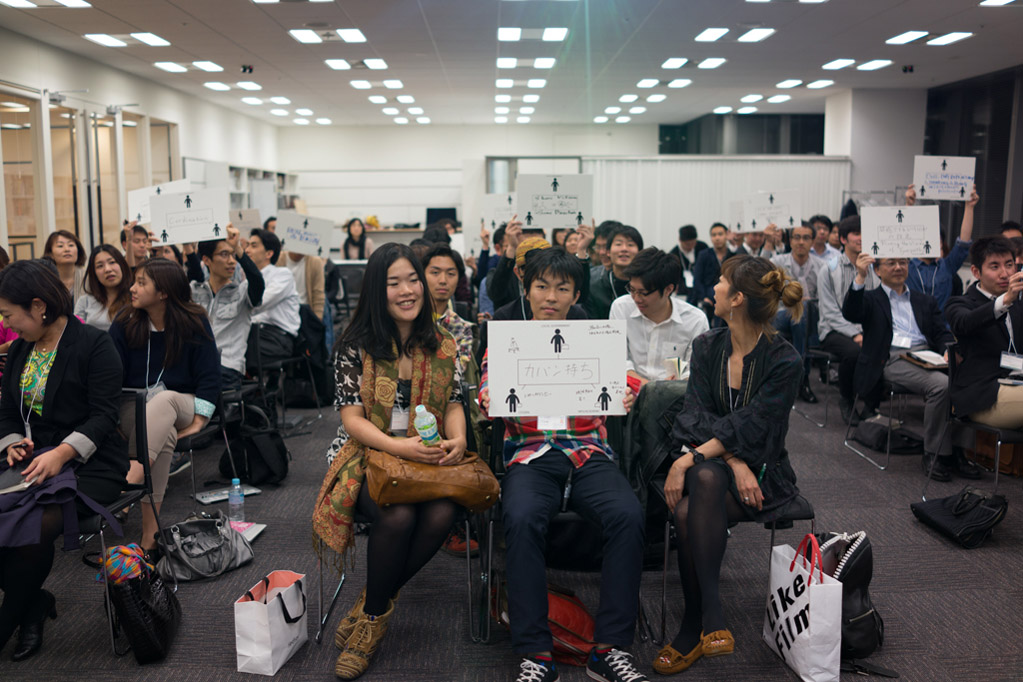
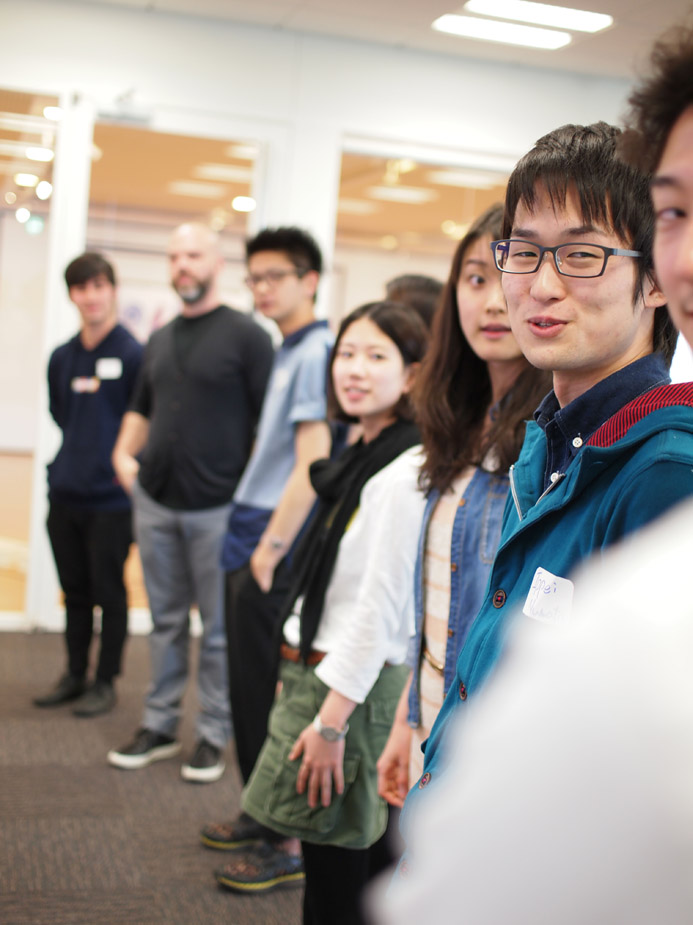
Groups sharing their ideas about strategic design after our talk. Photo: Hiroshi TamuraSimilarly, during a workshop we ran at the i.school on the following day with Tokyo’s leading social innovators, the need to better connect thinking and doing was a popular topic. I was struck by how the tsunami had cracked open the opportunity for individuals to rethink and possibly begin to take on Japan’s structural challenges such as the widespread expectation lifelong employment with a single large employer or the lack of funding for smaller enterprises. The social entrepreneurs in the room seemed well equipped to compel Japan to remake itself as a more resilient society after the crisis.
Photo: Hiroshi Tamura
Photo: Hiroshi Tamura
Photo: Hiroshi TamuraOn our last day in Tokyo, we had the pleasure of visiting ETIC, which has been working for two decades to ignite entrepreneurship among Japan’s youth. Their experience during that time suggests that Japan’s entrepreneurs are heading in the right direction as they are now more professional and impact oriented than ever.
We also visited the Nippon Foundation, which like Sitra, has a broad mandate to spur innovation nationally. Impact, measurement, outcomes, etc. are all ideas that are in the water in their organization as well.
Tokyo was a wonderful stop on our tour. On the one hand, their highly sophisticated culture has produced incredible gains for society, but on the other the dominate cultures of decision making seem opaque and unbendable to many. But events like the tsunami are providing a way in for social innovators like the ones we met at the i.school.

Before that? Australia.
While Justin and I have been traveling, Marco was also on the road with a stop in Amsterdam at a Labs summit and a stop in London at the Institute for Government. Written up here and tweeted here.

Best part of a long flight is that you can write emails without receiving any. It's pure inbox upside.
Amidst all of this, Legible Practises is going to press. No pictures yet of the printing process, but here's a glimpse of what it will look like:
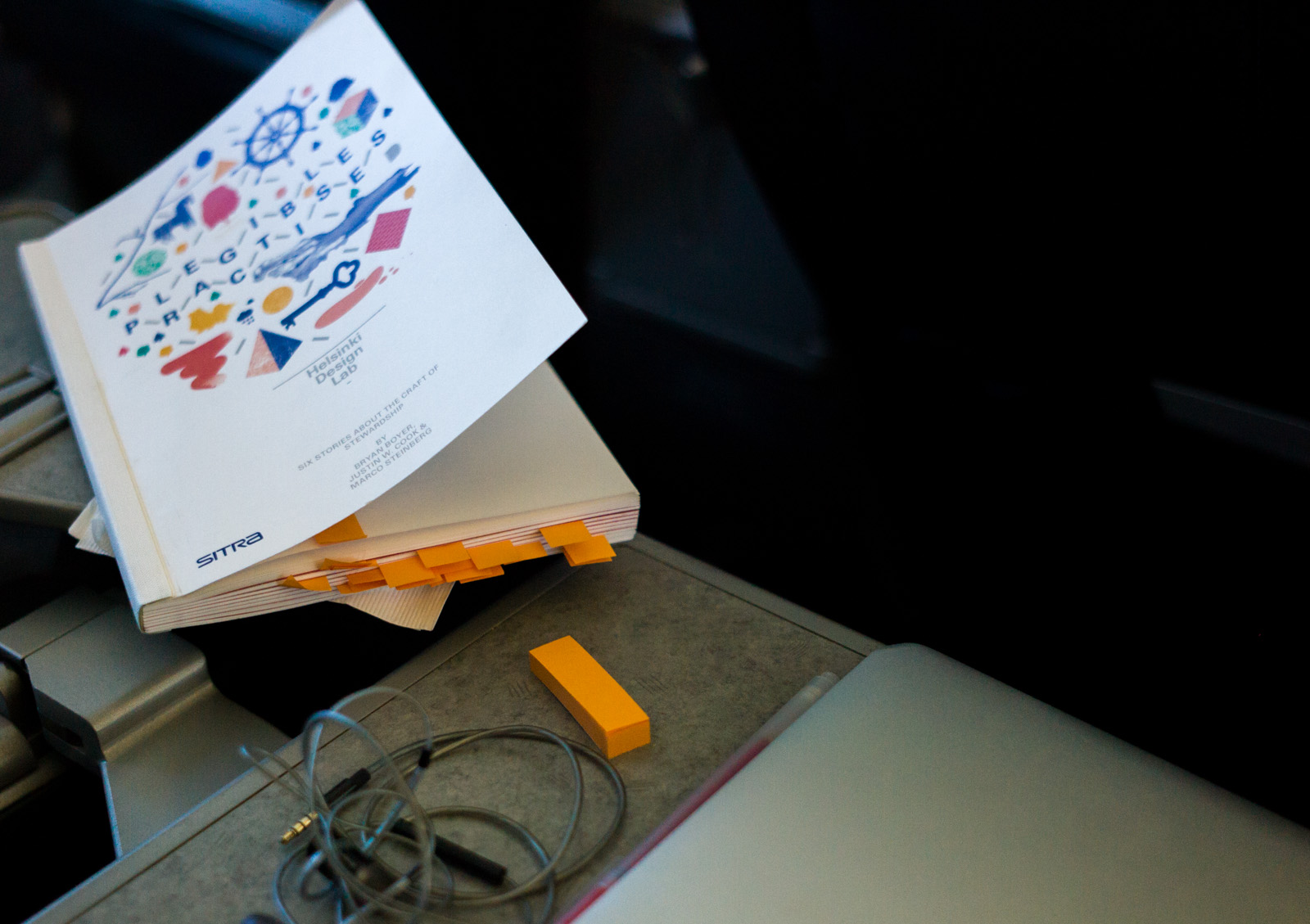
Editing the final draft of the book.
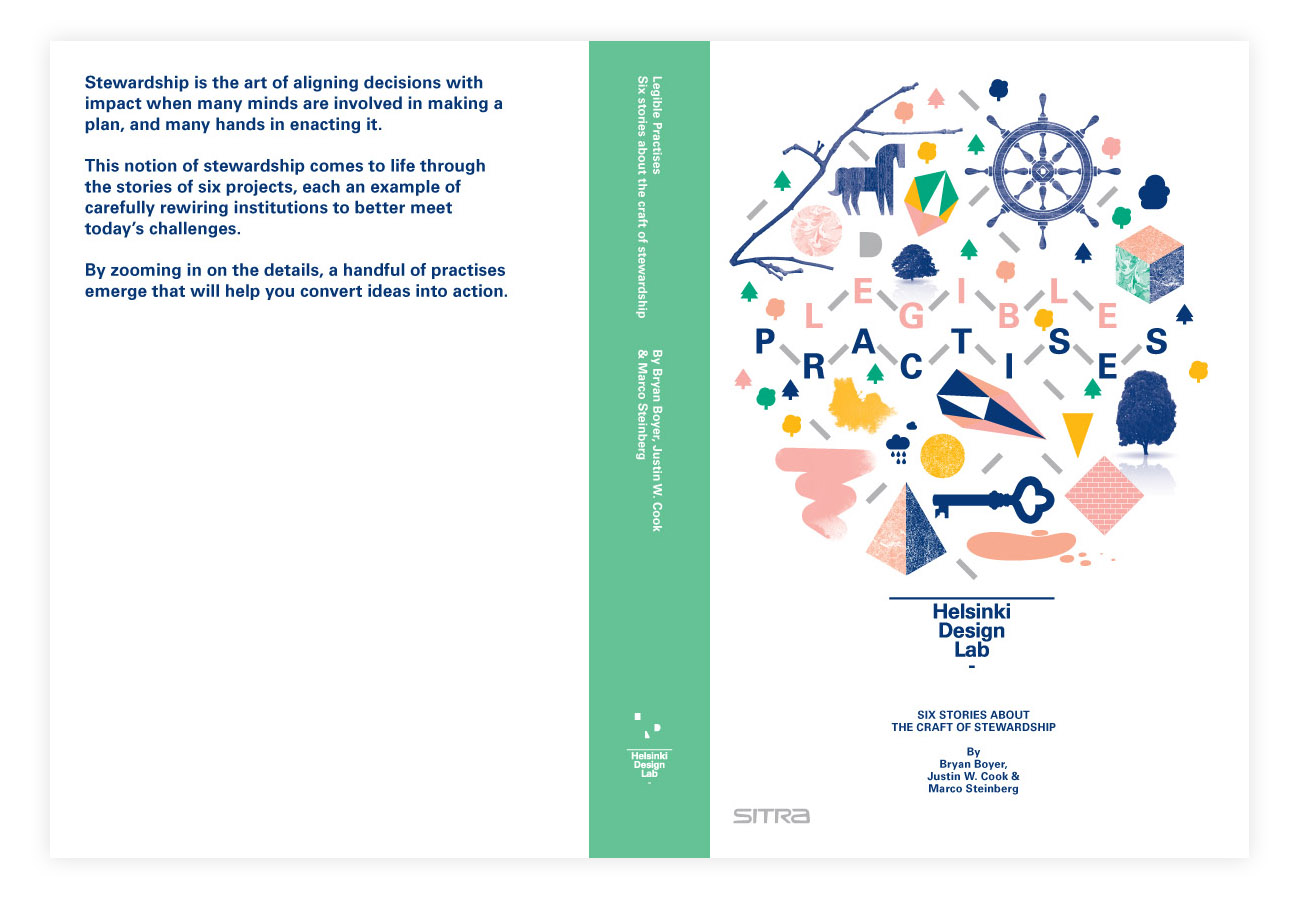
Copies will be available at HDL 2013.
Toronto, Melbourne, Sydney. That was week 217. In other words, a blur.
Some images:
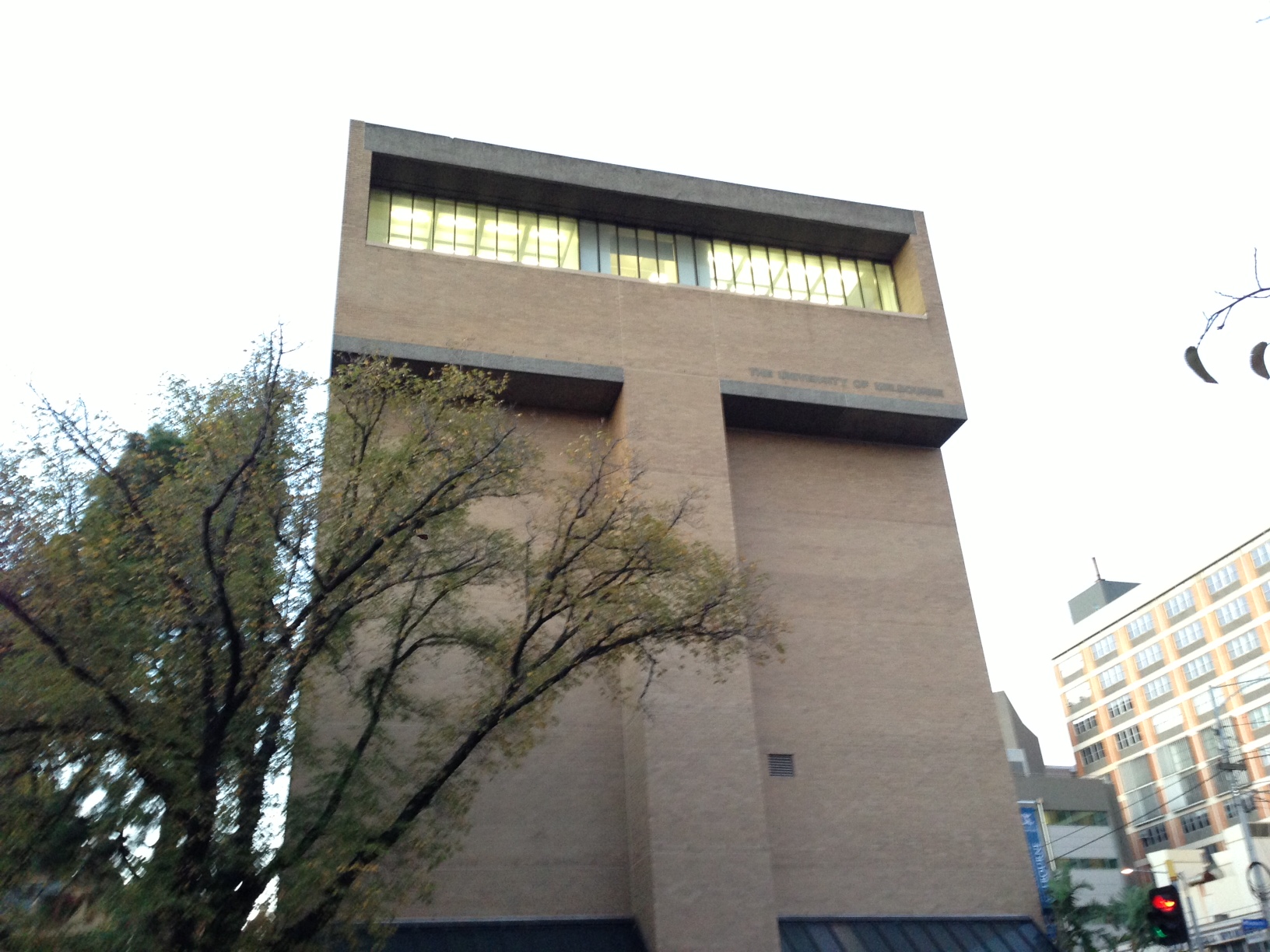
Friend-of-HDL Rory Hyde organized a talk at the University of Melbourne Faculty of Architecture that ended with a great discussion about the future of architectural education + strategic design.
The Difference, a unit of PWC, hosted us for a morning discussion in Sydney. Thanks to Martin Stewart-Weeks of Cisco for the introduction.
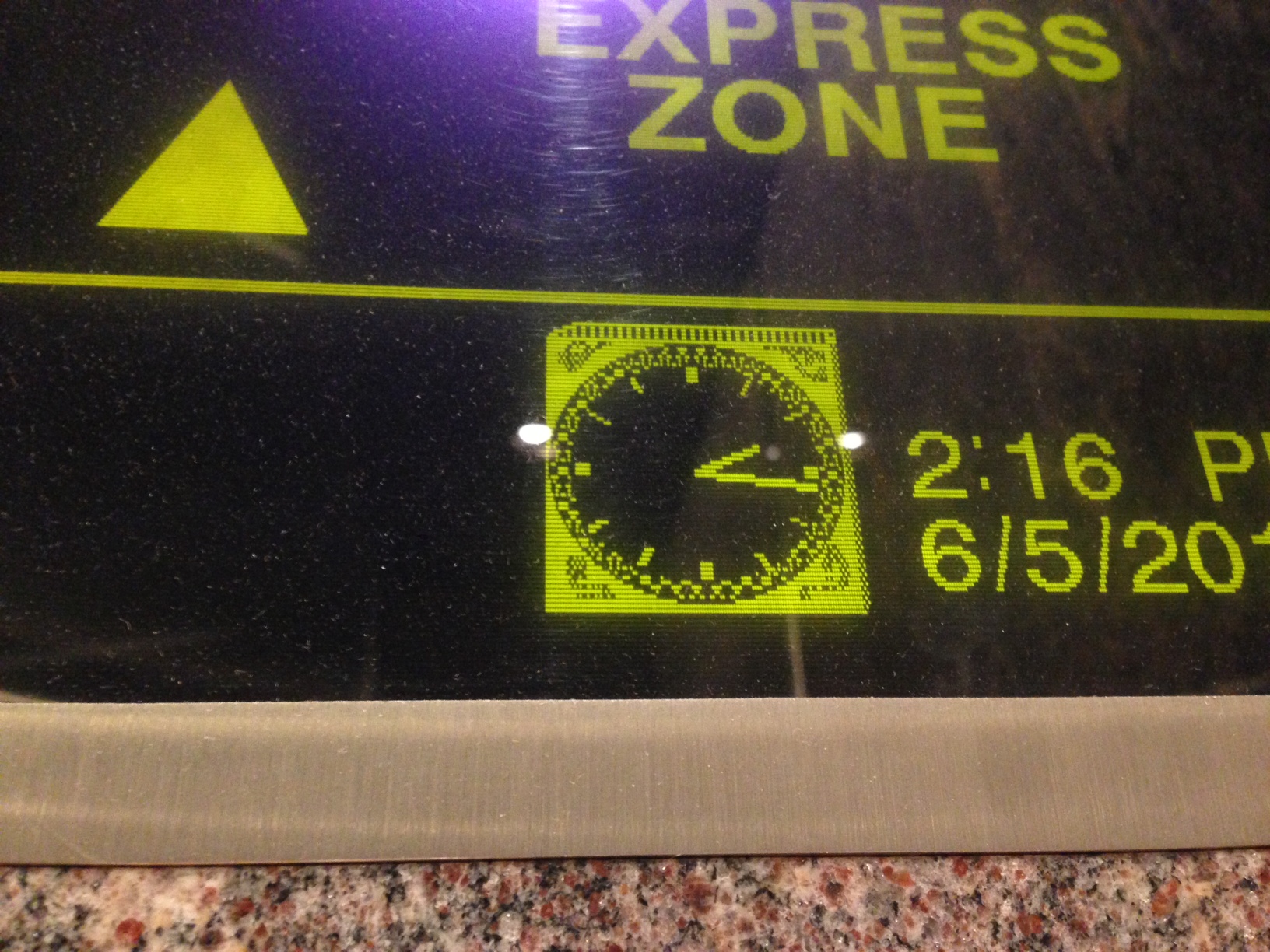
Government offices in Sydney, where we gave a lunchtime talk with a group of senior civil servants, have an a very modern building with a thoroughly antiquarian electronic clock. Nice touch.
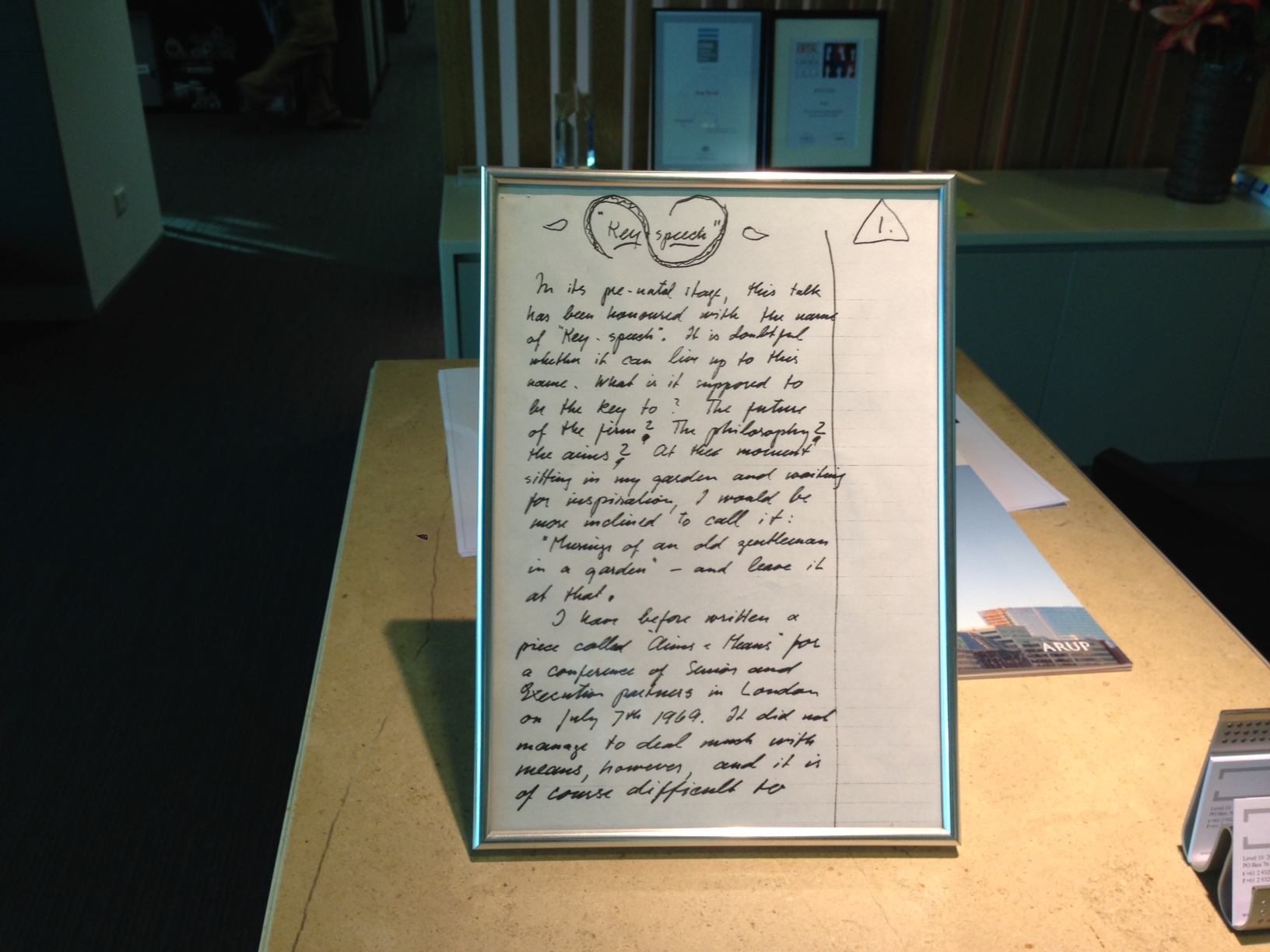
And we ended a busy day in Sydney with a stop at Arup, who keeps a copy of the Key Speech by the front desk.
Next stop: Tokyo.
The last two weeks have been consumed by the task of finalizing our latest and last HDL publication. It's a book called Legible Practises that contains six stories about the craft of stewardship. Huh? Stewardship, as we define it, is the art of getting things done when many minds are involved in the conceptualization and many hands in the implementation. The six stories we look at are each examples of changing the tires of a car while driving. In other words, changing systems while they're still humming (or clunking and sputtering) along. More on this shortly, when it's actually out the door. Right now a more pressing concern weighs on our minds as Justin and I camp out at a cafe in Toronto: the weather.
Toronto is warmer than expected. Naturally, the day we spend enjoying the city and meeting with groups like The Moment, MaRS Solutions Lab, Ontario College of Art and Design Strategic Innovation Lab, and MASS LBP is the day that's rainy and gray. Today we are frantically finishing work before hopping on the next flight and it's gorgeous. Nevertheless, this has been another inspiring visit to Toronto thanks to the forethought and preparation of Social Innovation Generation. Thanks to Tim and Satsuko!
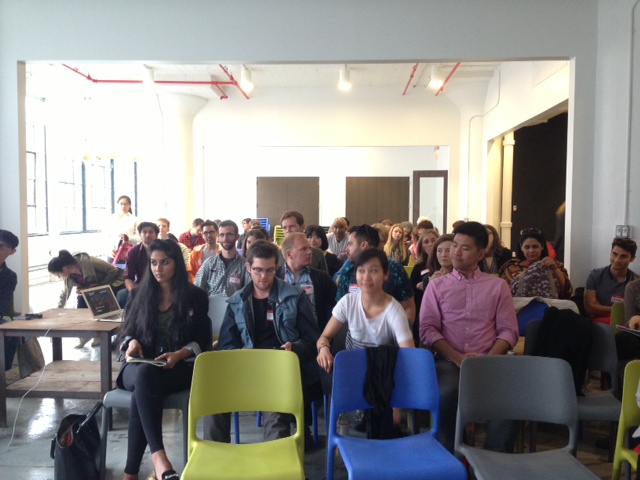
Hello, Centre for Social Innovation!
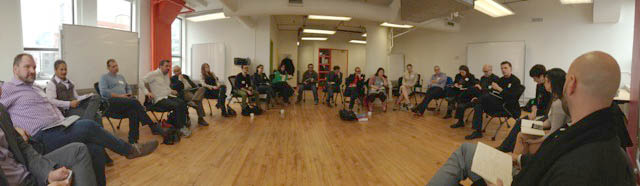
A morning discussion about strategic design, ethnography, politics, and more hosted by SIG and The Moment
This is the second stop on our HDL Moi Moi tour. As part of closing down the initiative, we're visiting people in New York, Toronto, Melbourne, Sydney, Tokyo, Hong Kong, Dubai, London, and Dublin to share what we've learned. On Sunday Justin and I met in NYC to give a talk at the Centre for Social Innovation, a newly opened coworking facility catering to social enterprises and others with similar interests. It was an honor to be part of the first event that they've ever hosted in the lovely new space.
Welcome to the matrix... of stairs.
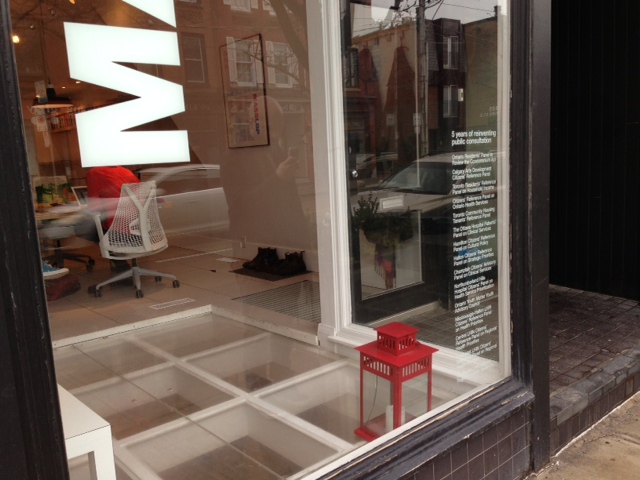
MASS LBP's offices have a CV of sorts on the window. Nice.
In a couple hours Justin and I will load ourselves onto a plane bound for Melbourne. There we have a public talk lined up at the University of Melbourne Faculty of Architecture (see you there?) as well as other meetings around town.
Why we're out and about.
As we move from venue to venue I feel guilty because we keep mentioning the publication that we are about to complete. In fact, if I don't commit all of the final edits before we're airborne, it's going to be too late. So the pressure's on. Justin's working on edits now—very seriously, as you can see.
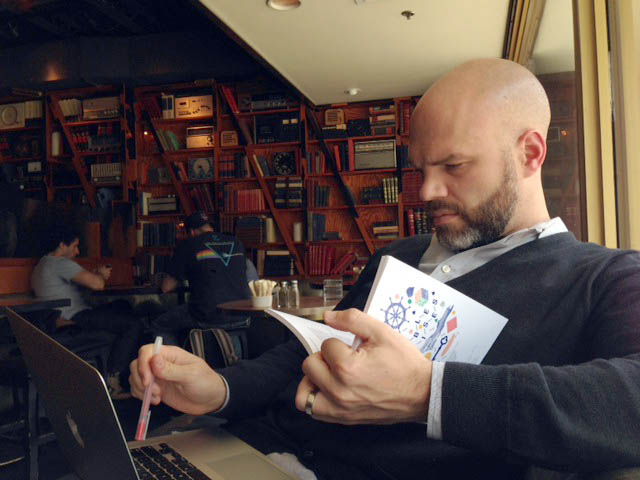
T-minus 40 days.
This week we hit an important milestone in text. Monday was a long day but we managed to deliver a 100% manuscript for the next (and final) HDL book. We're still figuring out exactly what to call it, but this one is about how people use projects to develop new solutions and new cultures of decision-making simultaneously.
After handing the draft off to the graphic designers I felt an almost immediate sense that we had left out a few things. We'll revisit that after the weekend. In the meantime, things like this are flowing into my inbox:
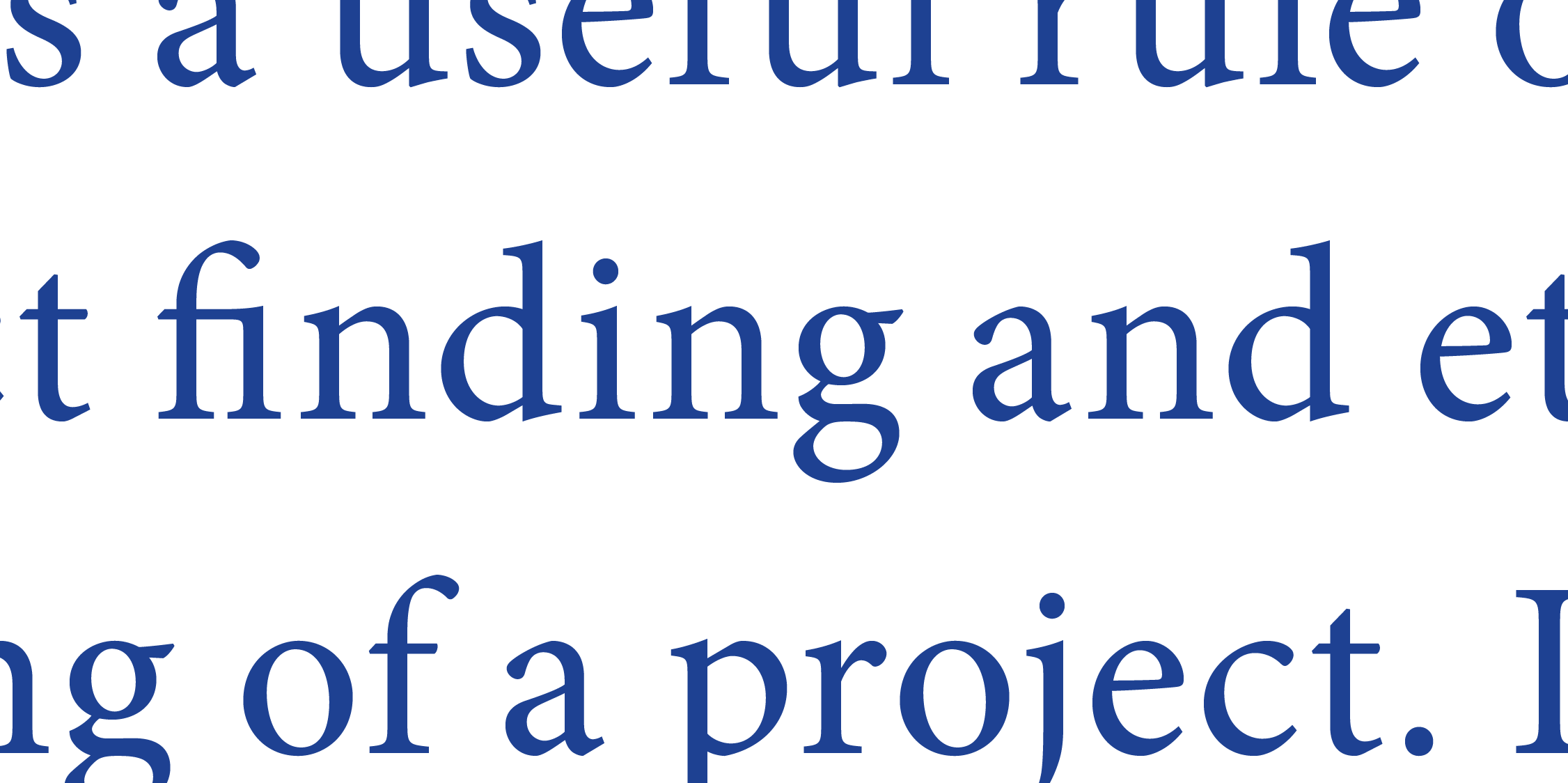
That's a draft of the layouts (zoomed way, way, way in). I've come to appreciate the shapes of the letters in the typeface Minion, which we always use. Quite a handsome gee, no?
As for unexpected details, here's another one that comes courtesy of the new Finnish passport design:
A pair of upcoming events deserve a mention here. First, Marco will be at the Institute for Government in London on May 10 to discuss design-led policy. More details here. Justin and I will do a similar session co-hosted by the Centre for Social Innovation in New York and the Parsons DESIS Lab. That's April 28th and you can register here.
Hope to see you at one of those events.
Last week Justin and Marco were in Boston to assist MIT's Collaborative Initiatives with a pair of studios. Things up there went well and it ended before the city suffered an attack and subsequent chaos. Luckily everyone is safe and accounted for, but our thoughts are with those who were less fortunate.
Video crews everywhere. That's the first impression of my time in Bangkok, where Marco and I spent a week observing and coaching Future Innovative Thailand (FIT) as they kicked off their initiative by running three parallel studios. Comes with the territory when some of the country's most recognized political leaders are sitting in on the studios. No pressure.
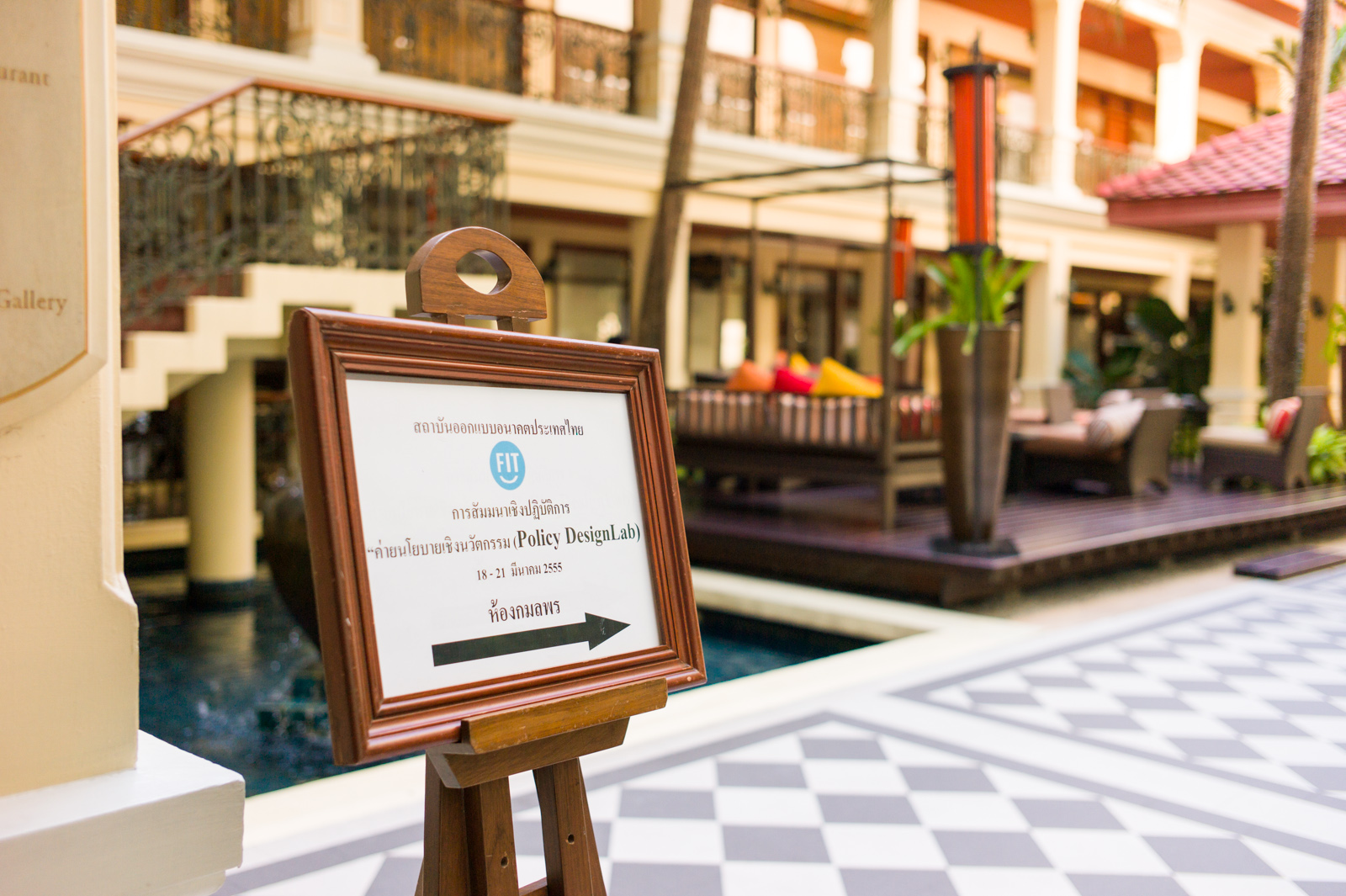
Our host, Nuttaphong, adapted the studio model to his own context and purposes and we got to see it all play out. Given the language, it was not always easy to follow along but we still gleaned a lot from being there. Thanks to our hosts for their hospitality, enthusiasm, and engagement during an impressive (and exhausting!) week. Congratulations to Nuttaphong and the team on the launch of their initiative.
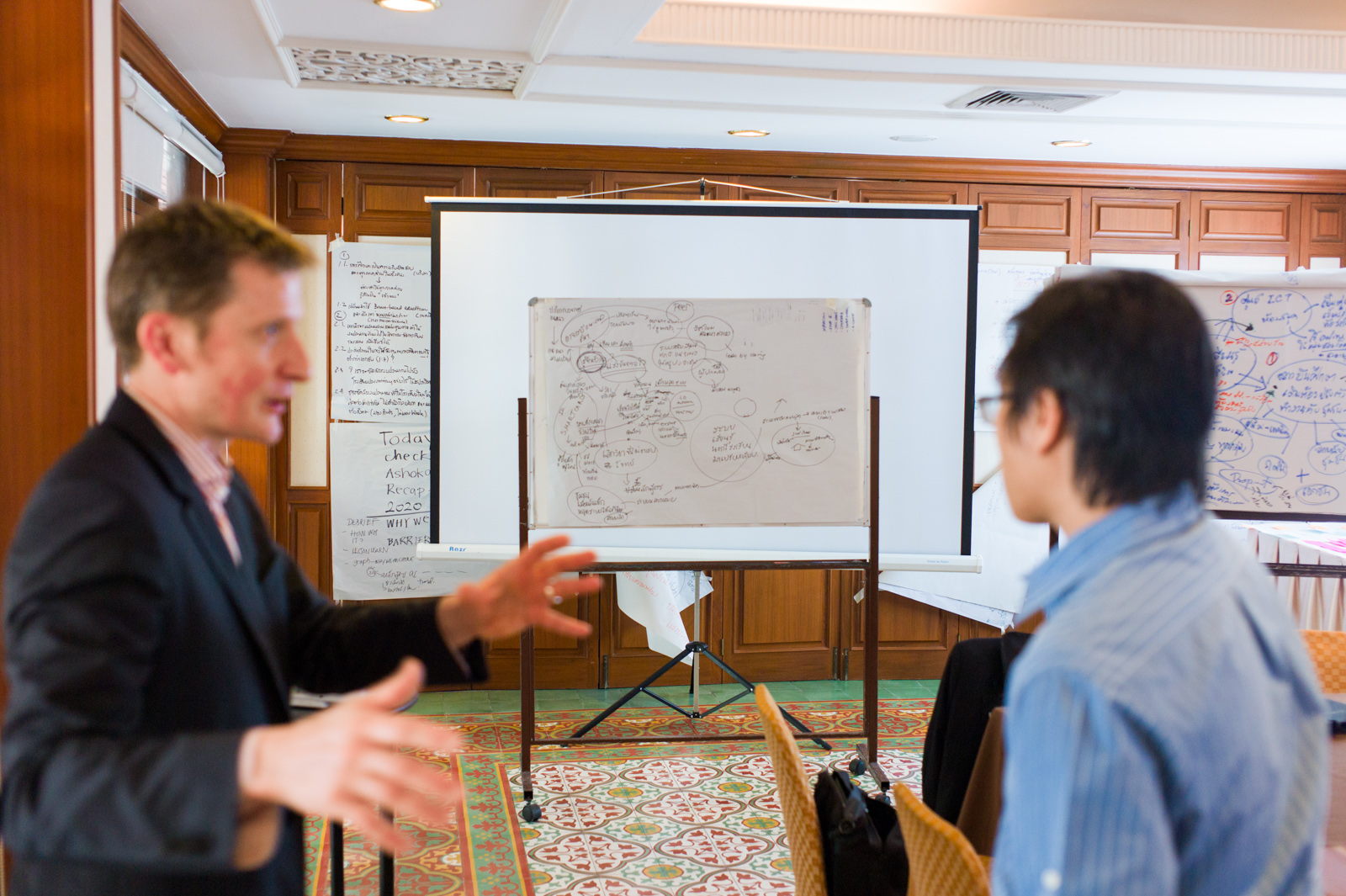
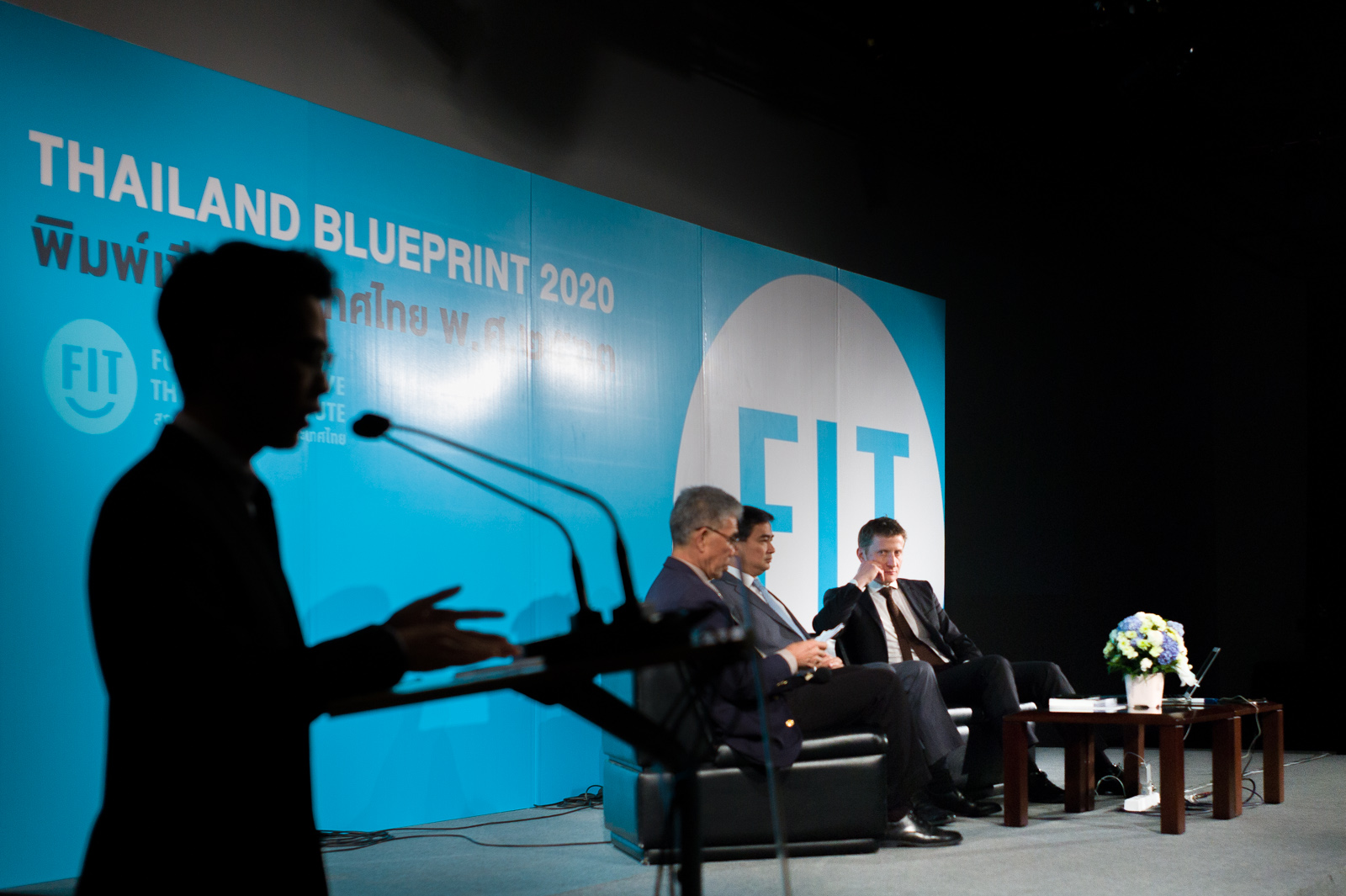
Perhaps the biggest difference between these studios and the ones that we have done in the past was the presence of 'owners'—mayors, MPs, and other decision makers—in the room for the length of the week, as opposed to just at the end for the review. We never attempted to staff the studio in that way because, frankly, we didn't think it was possible to get a politician to clear that much time in their perpetually full schedule. Thailand, on the other hand, proved that it can be done!
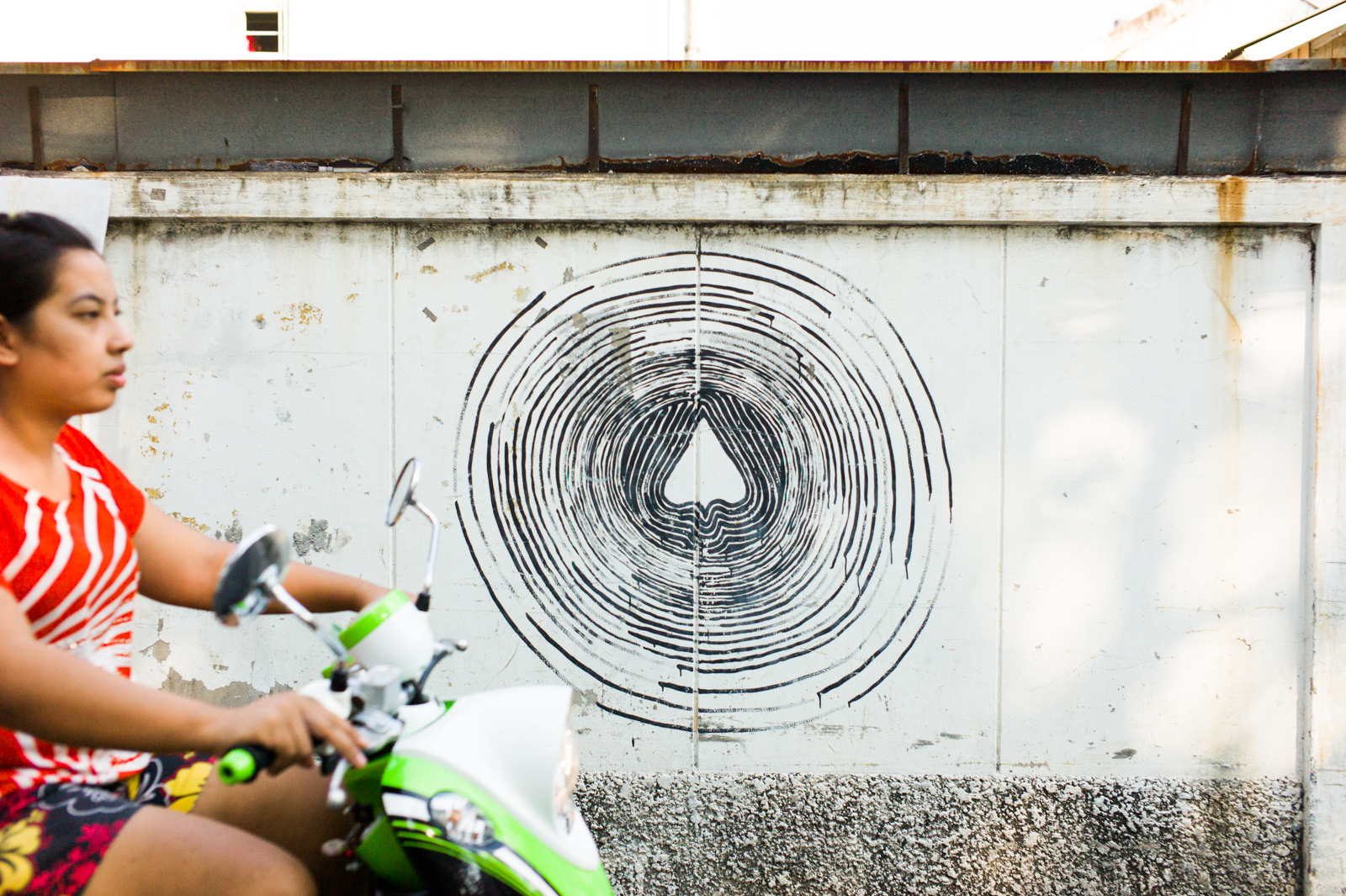
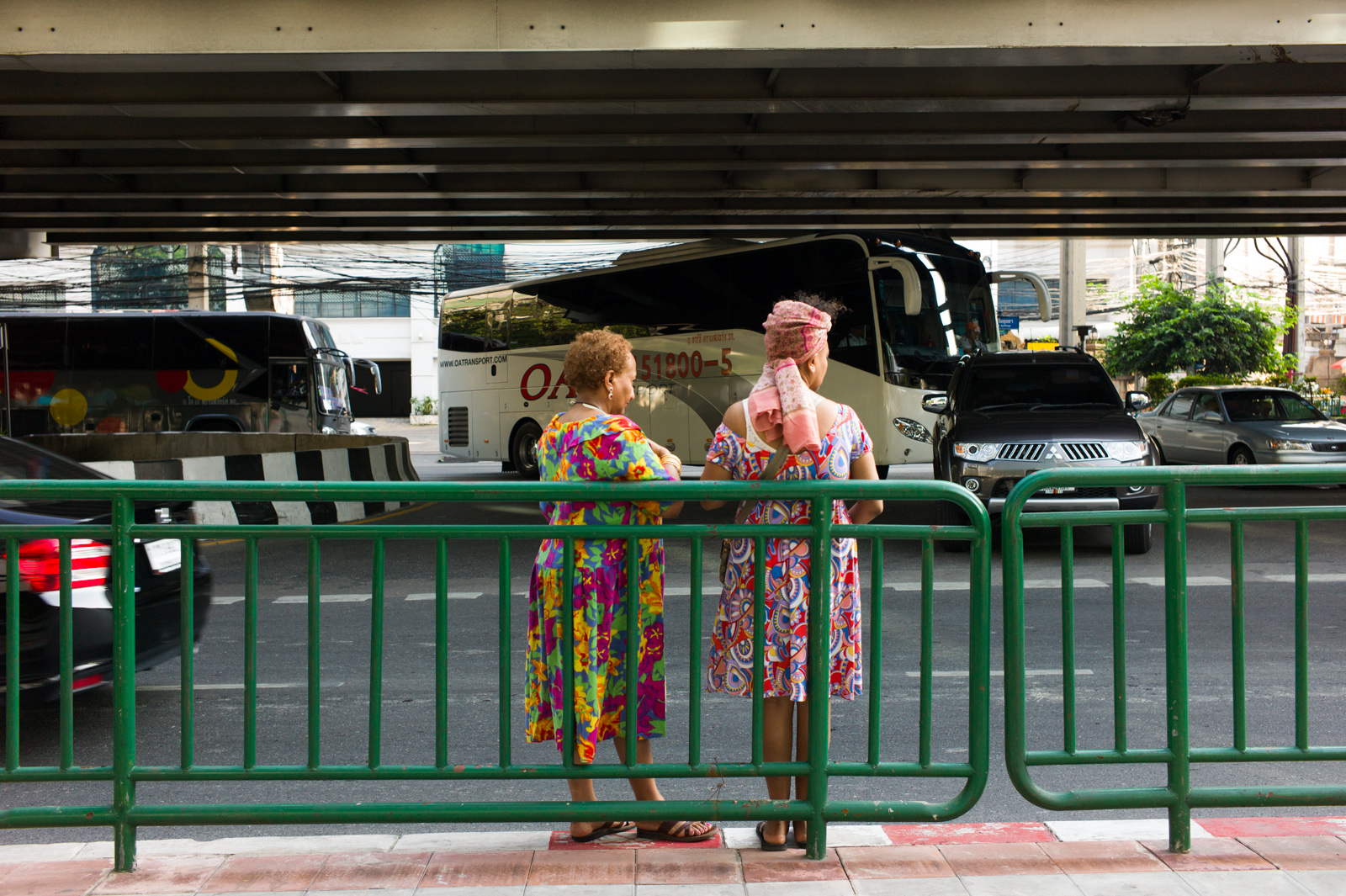
For me one of the most useful realizations was also something that I probably should have recognized before. When we wrote In Studio we left a coy blank spot in the middle. Perhaps because it's labeled a 'model' people often assume that it's a model of facilitation. Rather, the studio model is about everything but the tactics of group facilitation. In that sense it's dogma-free on purpose. If U Theory is your thing, OK. If you prefer another means of facilitation, fine. You can use whatever process you are comfortable with so long as you move from learning and insights, to architecture of problem, to architecture of solutions, and you end with a review.

Yes, Bangkok was good in that it showed us how the studio plays out when the makeup is a bit different. When the parts are reconfigured. As for content, the focus on good governance (including anti-corruption) was an issue that was constantly in the air. As a topic that did not come up very often in Finland, I enjoyed talking through these issues with the studio teams. Scale was on the top of everyone's mind too, as it should be. How can we scale up good ideas quickly? Finally, it also showed us a few areas where we should revise the How-Tos in the book. If we manage to get a Print on Demand version done before June, that is!
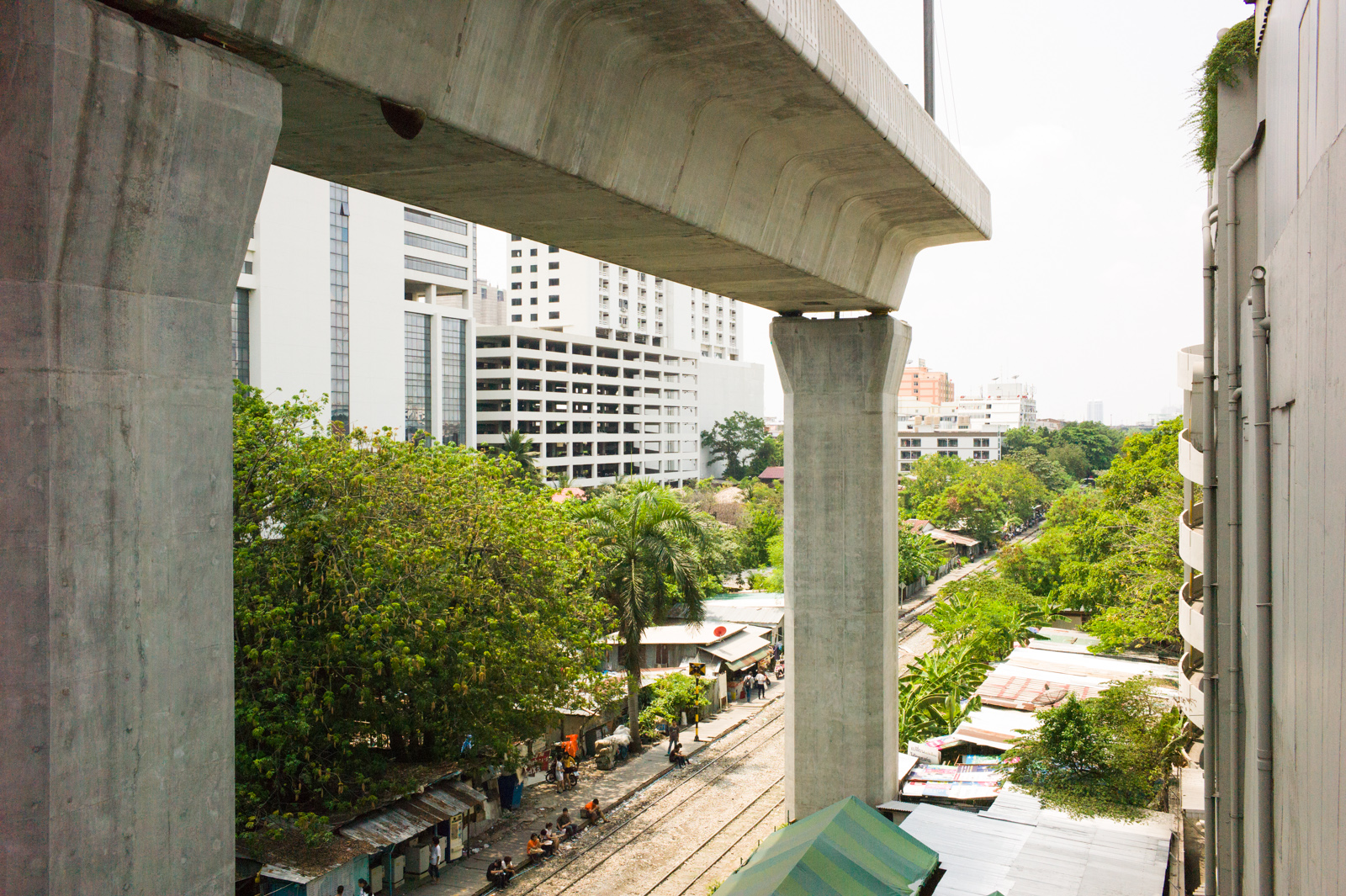
Books, books, books. I spend most of my time writing these days, with Marco and Justin doing the same. We are about two weeks out from the 100% draft deadline for a title we're tentatively calling Stewardship: Leading into Practice. This will be the final HDL publication.
Between bouts of writing Marco has been on the horn with groups in the UK, US, and Switzerland as well as tending to meetings in Helsinki. I enjoyed a morning meetup with Eli Malinsky to learn more about the Centre for Social Innovation's expansion to NYC and also spent an afternoon with Eduardo Staszowski's students at the Parsons/New School School of Design Strategies. These were violations of a (not so) strict moratorium on all appointments until after the book is drafted, but they were worthy transgressions.
The Brickstarter book, by the way, is still forthcoming. It is coming along and we're hoping to have it completed before the end of the month but no promises yet.
The Design Exchange blog is still hopping with activity from Hella and Sirpa.
So then, back to the writing. And to the event prep. And the trip prep. And the coffee, actually.
T-Minus 66 days.

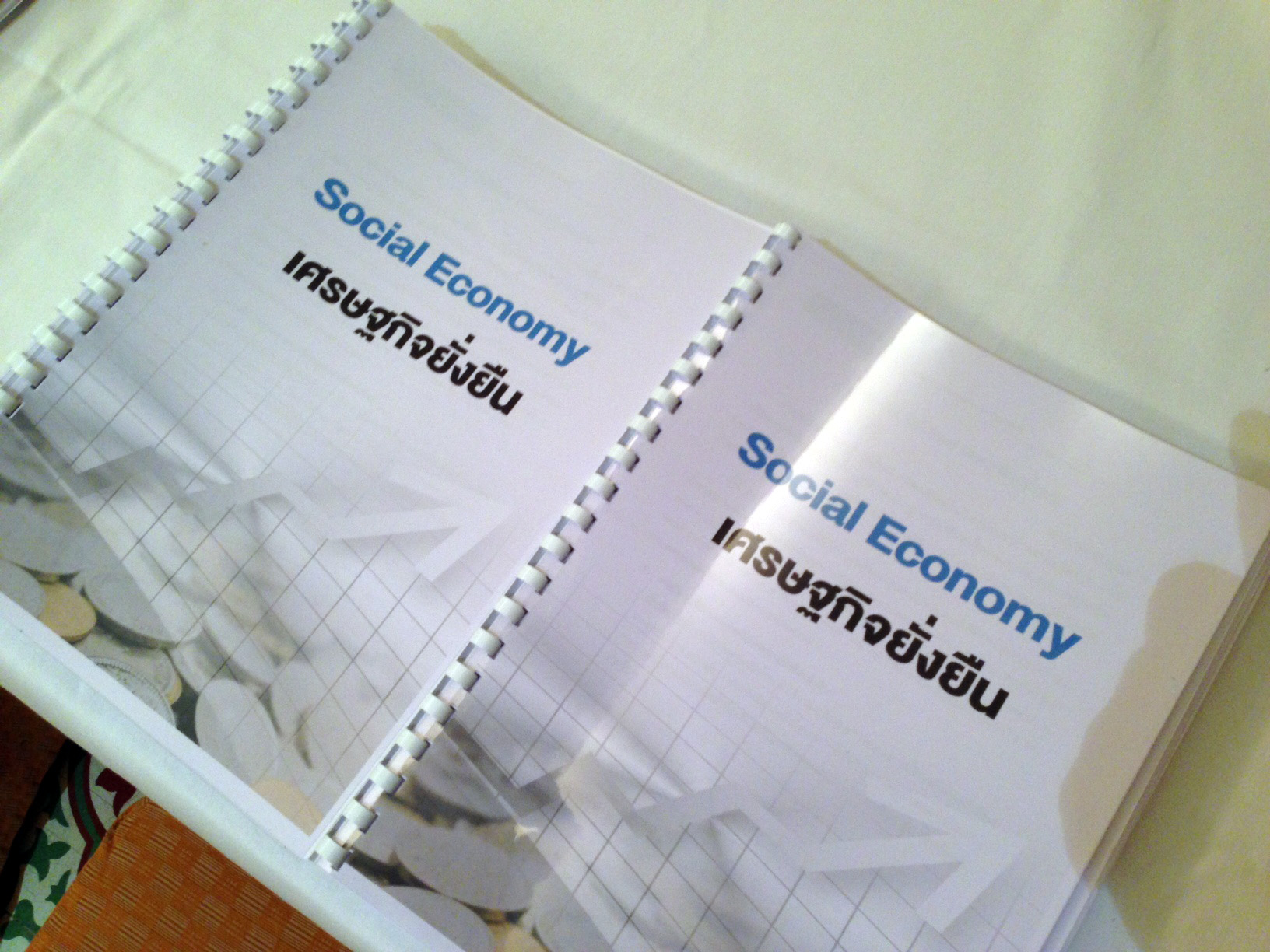
Good morning from Bangkok. Marco and I are here for the week as the Future Innovative Thailand Institute launches their Blueprint programme, which is an initiative to redesign policy around education, social economy, and governance. They've been using our studio model as the basis for the work. But more about that next week.
Last week we were able to post the finalized details for HDL 2013. You'll find more here, as well as registration which is open to everyone. The summary is that we will have an event in three phases: conference, conference with drinks, drinks. We want it to be a chance for the community of strategic designers to gather and if that sounds good to you, we hope you'll join. Here's who will speak:
- Timo Arnall on seeing the invisible
- Christian Bason on design as management and leadership
- Gill Ereaut on linguistics and change
- Alejandro Gutierrez on designing with communities
- Lärke Johns on innovative bureaucrats
- Chelsea Mauldin on design and government
- Carl Mossfeldt on changing systems
- TwoPoints on the design of HDL's visual identity
- Anna Valtonen on educating designers
Meanwhile, book logistics have been ruling my life. Last week included writing odd little things like the paragraph below and occasionally drawing very bad pictures to go along with it:
We see a woman standing, she is tapping a seated gentleman on the shoulder (he is wearing a coat) while holding a microphone behind her back. She’s about to ask him to stand up and make a pitch but he doesn’t know it yet. Perhaps we see some abstract indication of the other people at the table, or at nearby tables.
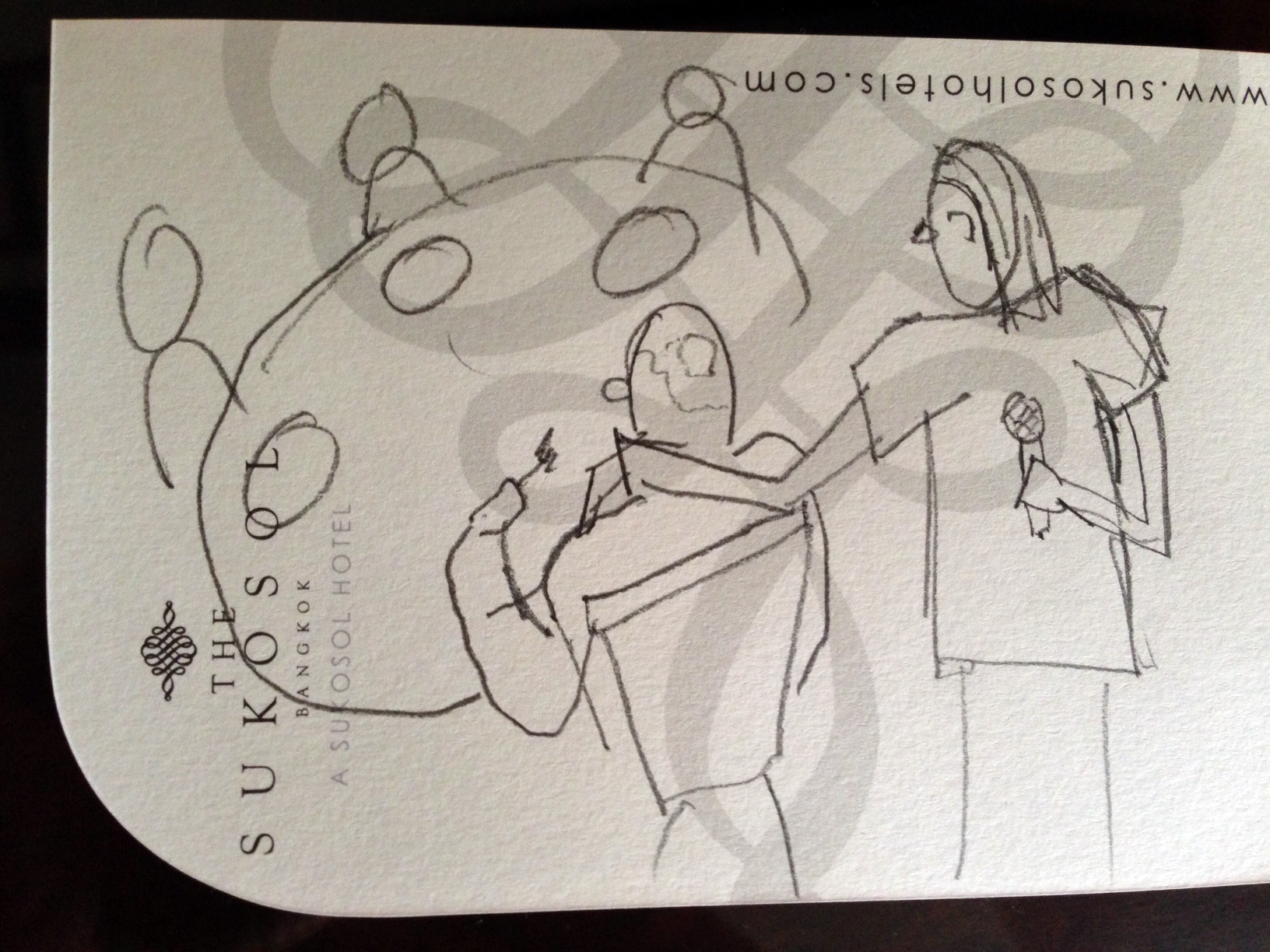
That's part of the briefing prepared for our illustrator who is going to be making drawings of different 'points of practice'. Since a lot of the book is describing abstract notions, we are taking some care to bring a visual dimension to the storytelling that errs on the side of being overly concrete. Before jumping into this I didn't have much of an idea how to brief an illustrator but it seems to be working.
What else? Marco was staying put in Helsinki, working on Design Exchange. He'll have Sara and some people from the City of Lahti over for a show-and-tell at Sitra soon.
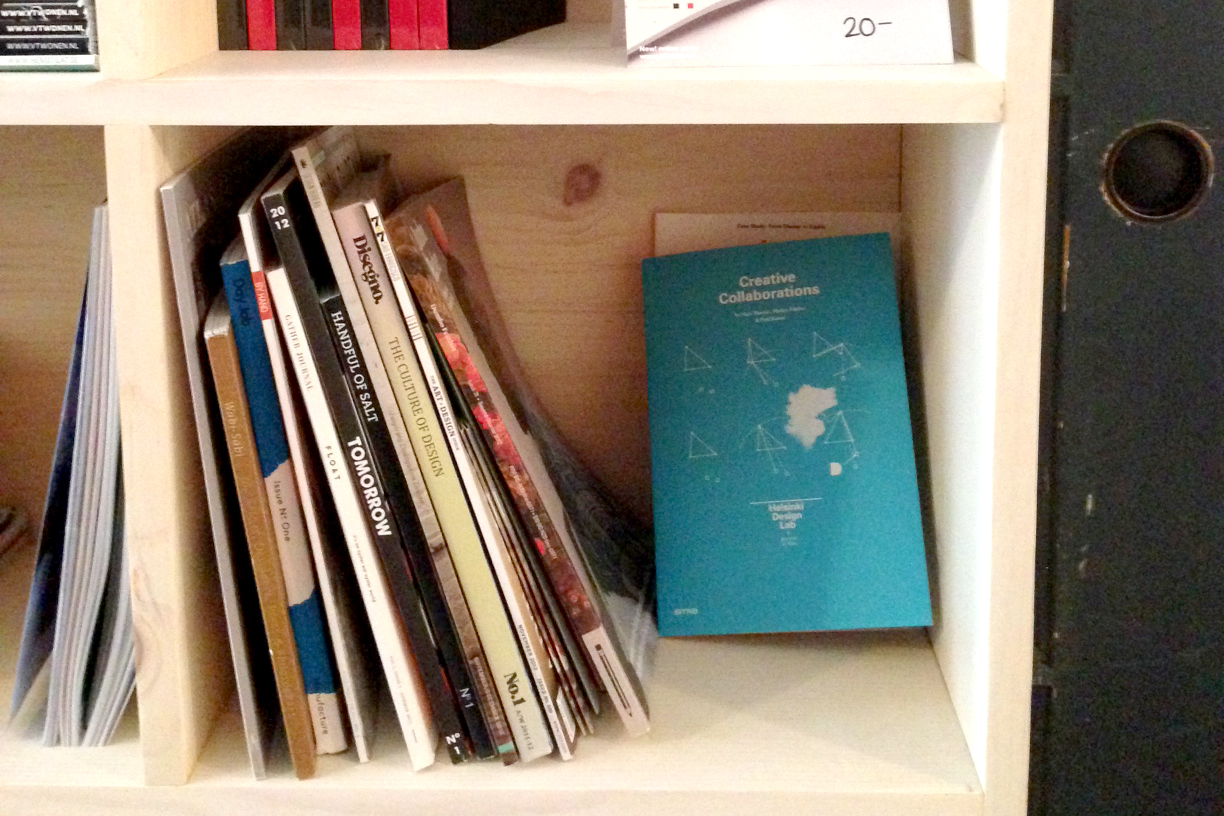
On my way to Bangkok I made a quick stop in San Francisco, where I spotted our Creative Collaborations book on the shelves at Makeshift Society. Great!
T-Minus 84.
In conversation these days I catch myself talking about "another six months" of Helsinki Design Lab, but we've only four months left. Maybe we should change the weeknote titling from incremental updates to a T-Minus format. T-minus 94 days.
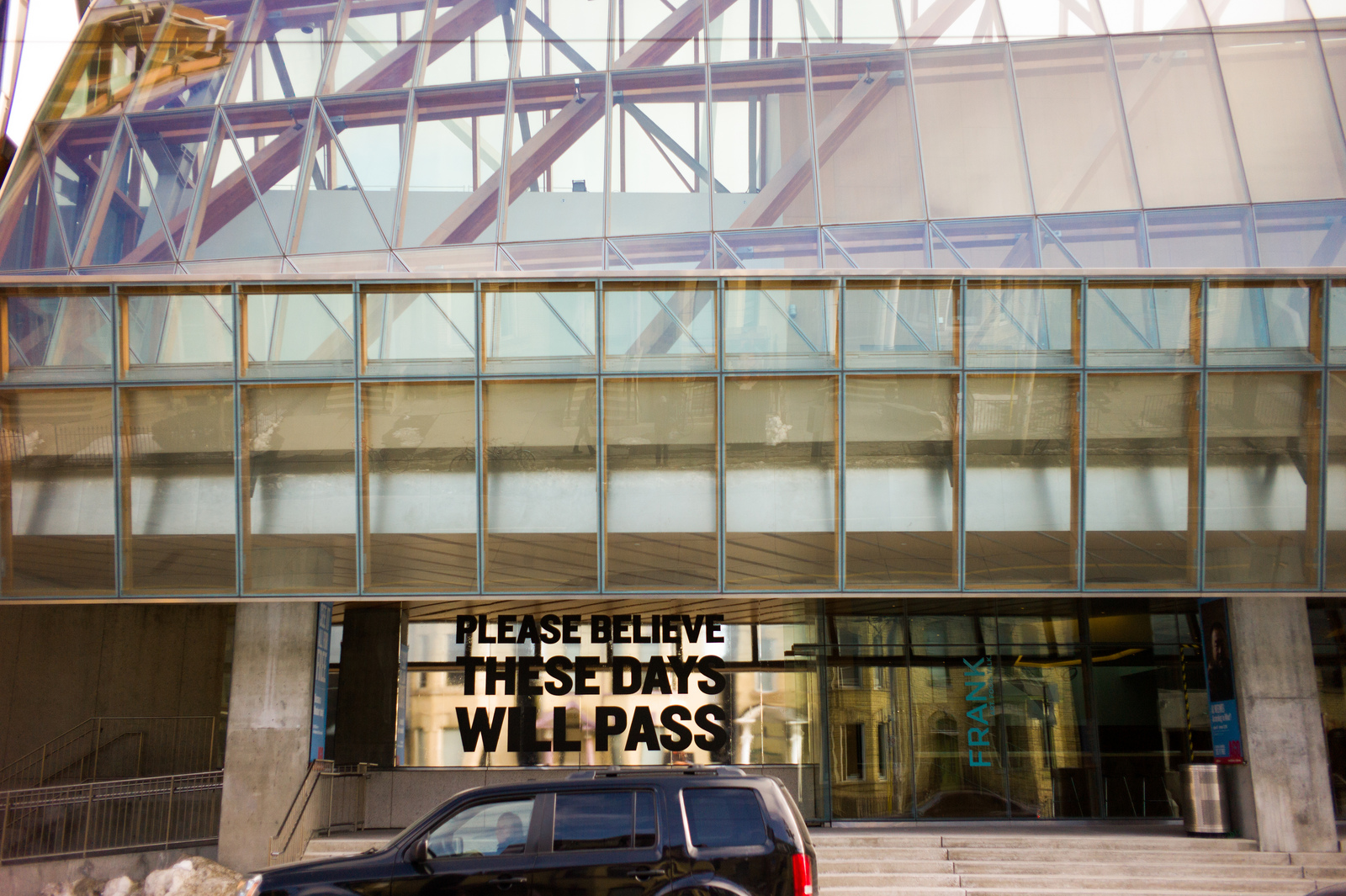
The HDL 2013 event is heavy on our minds these days. It will occur in three seamless parts: conference, conference with drinks, drinks. We'll be at Kellohalli, the same space that hosted Open Kitchen, so it will be a pleasure to be back with our friends Antto, Elina, Jonna, and the rest of the crew. The outdoor spaces at Kellohalli will be in full bloom by June, and with 19 hours of daylight you will have plenty of time to enjoy them. We are planning to start the event around 11am and go into the evening to 11pm or later if people are up for it. June 10th is a monday, but why let that stop you?
Sign up here for further information and we hope to have the actual registration and final details available next week.

Details from Toronto's subway
My focus is almost entirely on the as-yet unnamed book, which provides a never-ending supply of lists to make, emails to write, things to confirm, and schedules to align. Observant readers will notice one thing missing from that list… writing. That's happening too, but not as smoothly as I would like.
Recently I had the pleasure of meeting Fumiko Ichikawa, whose business trip to NYC provided a serendipitous opportunity for us to plan an HDL workshop in Tokyo with the i-School and potentially some other partners this May.
As we prepare to close HDL it's encouraging to see the studio model being adopted and adapted by others. This week I was in Toronto for a meeting at Evergreen (a remarkable organization, by the way) and caught up with people from SIG and MaRS who are in the midst of setting up their own lab, inspired in part by HDL. Next week Marco and I head to Thailand to assist the Thai Health Promotion Foundation as they launch an education programme also inspired by our studio model. This is why we spend time writing blog posts and making our practice legible. It's heartening to see the ideas and approach spread.
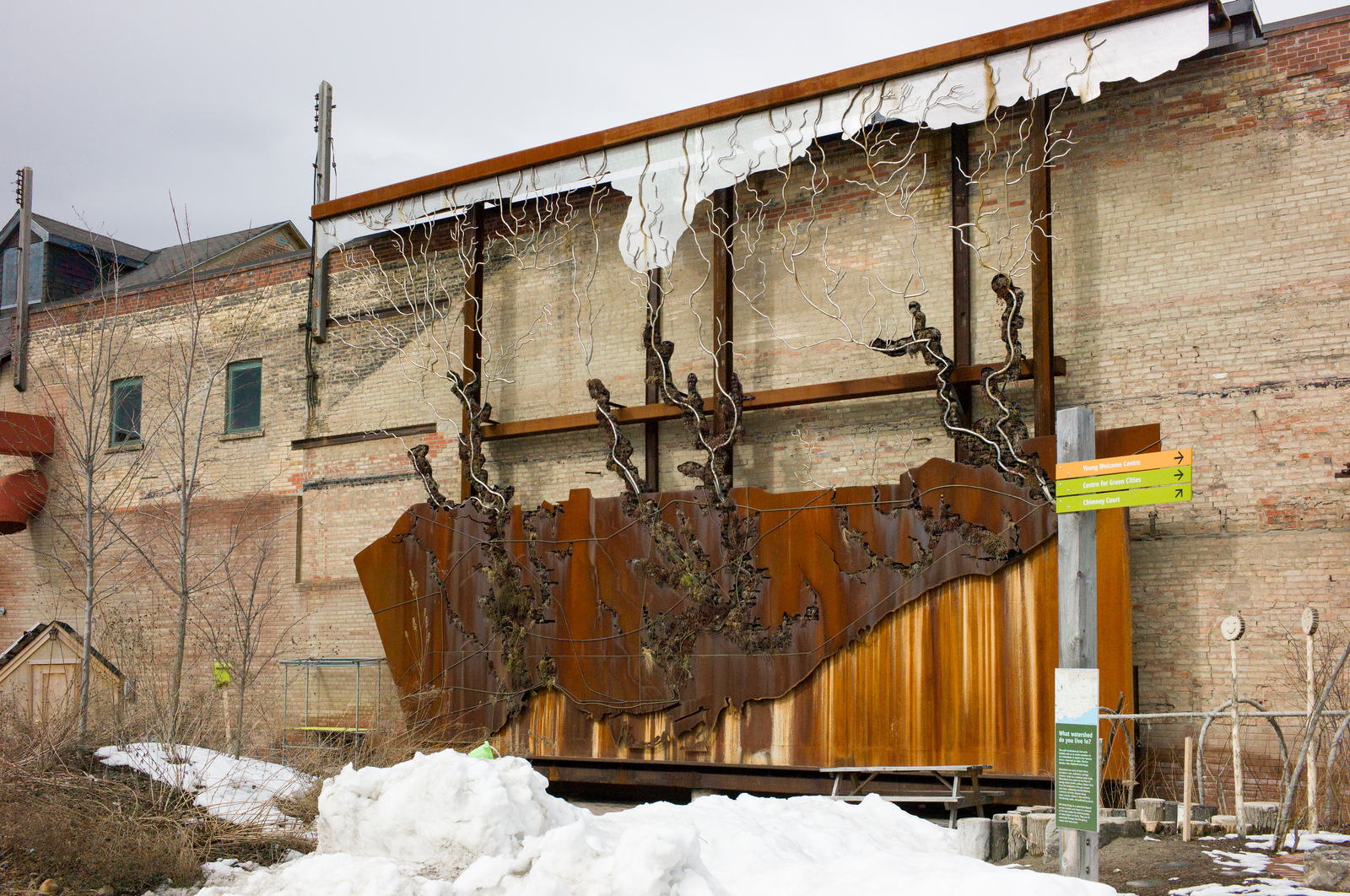
This excellent map at the Evergreen Brickworks shows Toronto's network of ravines rather than its congested streets.
T-minus 94 days.
There's one thing we're not doing enough of right now and that's writing. Between Marco, Justin, and myself we have about four pieces of writing due to various groups and I think we've found just about every possible means of doing anything but writing.
Less about what needs writing and more about what has been written. Our In Studio book is now (finally!) available for sale online thanks to the MIT Press bookstore.
Marco has been in Brussels for the Commission and Sweden for the Swedish Industrial Design Association. Justin is a new father (congratulations!) so he has mostly been on parental leave, but here and there I sneak him an email as we nail down our travels for April and May. We've also had help from Fumiko Ichikawa, with whom we are putting together a workshop in Tokyo and Tim Horton, who we hope to see again in Australia. Other stops are likely to be Toronto, London, Dublin, and Dubai. But not in that order, hopefully.
And in between, lots of time on the horn to line things up for our final HDL event. We're getting close to having a complete roster for the HDL 2013 closing event on June 10th in Helsinki (sign up here to be notified when we have full details). This event will be a gradient: we'll start around 11am with talks, move to talks with drinks in the late afternoon, and end the night by 11pm in celebration mode. The talks we're lining up are a mix of people doing things similar to HDL and people whose work has inspired us. Marco, Justin, and I will probably also give a talk or two about our work, and about strategic design in general.
More than anything, we want this event to be a good excuse for strategic designers to get together because there still isn't really an event or publication that anchors this community. When we relaunched HDL four (coming on five!) years ago we wanted it to be a platform to bring together disparate but similar threads spanning multiple disciplines and geographies. Hopefully HDL 2013 does the same.

 CASE STUDY Strategically redesigning social housing to act as a stepping stone towards the formal economy